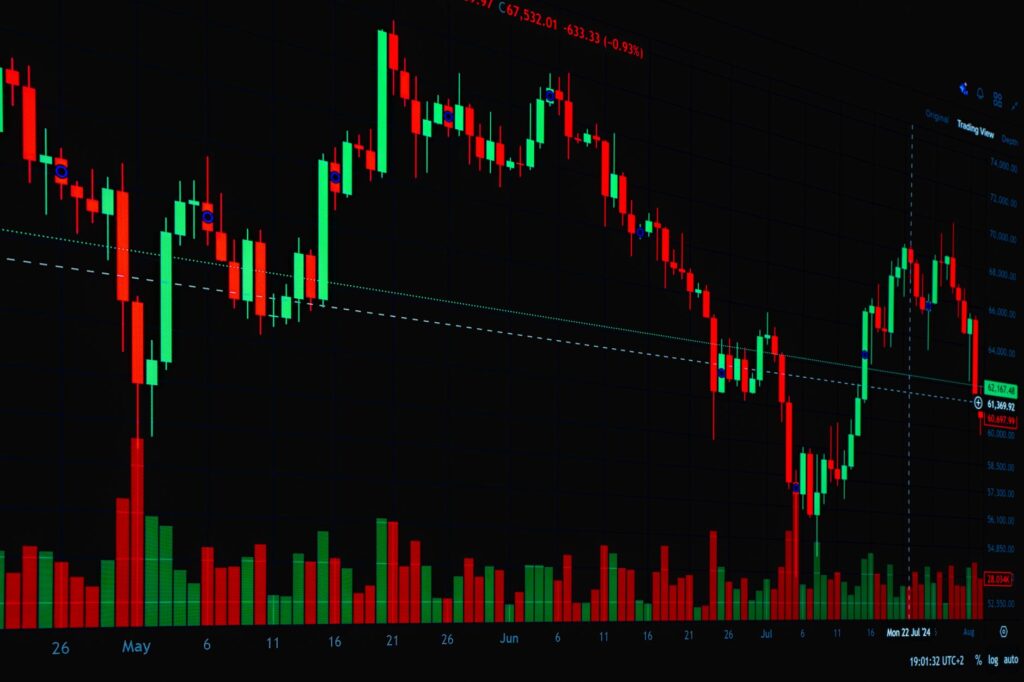

Understanding Monday Market Direction
Indian benchmark indices wrapped up the previous trading session with modest gains, reflecting a cautious yet resilient sentiment among investors. The Sensex managed to advance by 363 points, whereas the Nifty index settled just beneath the 23,898 threshold. Market participants continue to balance various domestic triggers against shifting international currents. As the upcoming trading session approaches, several pivotal elements will dictate the trajectory of equities across major sectors.
Global Cues and International Sentiment
Global economic developments remain a primary catalyst for domestic market behavior. Investors closely monitor overseas indices, currency fluctuations, and commodity prices to gauge risk appetite. International equity movements often set the tone for the opening bell on domestic exchanges. Any sudden shifts in overseas markets can trigger immediate spillover effects, influencing foreign institutional investor flows and overall market momentum.
Macroeconomic Indicators and Inflation Data
Economic data releases play a critical role in shaping monetary policy expectations and investor confidence. Market participants track domestic and international inflation reports, employment figures, and growth metrics to anticipate central bank actions. Persistent inflationary pressures or unexpected economic data can introduce volatility, prompting investors to reassess their portfolio allocations across cyclical and defensive sectors.
Sector-Specific Action and Stock-Specific Trends
While broader indices may exhibit range-bound or sideways movement, individual equities often experience significant volatility based on corporate announcements, earnings reports, and sector-specific news. Traders actively scan for breakout opportunities in banking, technology, energy, and consumer goods. Specific corporate developments and quarterly results frequently dictate intraday trading volumes and price action, allowing nimble investors to capitalize on localized opportunities.
Foreign Institutional Flows and Currency Movements
Foreign institutional investor activity remains a decisive factor for the Indian stock market. Net purchases or sales by overseas investors heavily influence large-cap valuations and overall market liquidity. Additionally, the exchange rate between the local currency and the US dollar is monitored closely, as currency depreciation can impact import-heavy sectors and affect foreign investor returns.
Technical Outlook and Key Support Levels
Technical analysis provides valuable guidance for navigating sideways or volatile markets. Traders look closely at moving averages, resistance levels, and support zones to anticipate potential breakouts or breakdowns. With the Nifty hovering near critical technical levels, market participants must remain adaptable. Establishing strict stop-loss protocols and monitoring intraday price action will be essential for managing risk effectively during the upcoming session.
Conclusion and Strategic Approach
Navigating the upcoming trading session requires a disciplined approach, blending technical awareness with macroeconomic insight. As domestic benchmarks react to global cues and internal sector dynamics, investors should focus on fundamentally strong companies and maintain a balanced portfolio. Staying informed about the latest financial developments will help market participants make prudent decisions in a dynamic trading environment.