
Massive Crowds Converge on Tehran
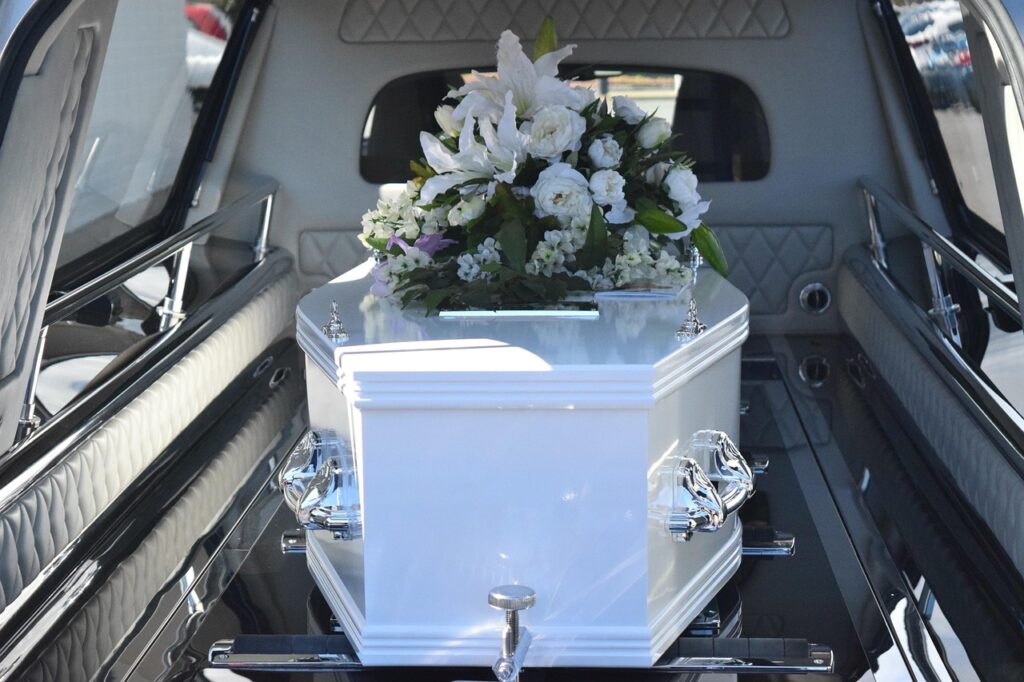
Millions of mourners swarmed the streets of Tehran today as the nation held extensive funeral ceremonies for Supreme Leader Ali Khamenei, who was killed in a targeted airstrike earlier this week. The Grand Mosalla complex, the primary site of the procession, reached capacity as citizens gathered to pay their final respects to the leader and several family members who perished in the same attack.
A Nation in Transition
The death of Ali Khamenei marks a pivotal moment for the Islamic Republic, ending a tenure that defined Iranian domestic and foreign policy for decades. Khamenei had held the position of Supreme Leader since 1989, consolidating power and guiding the nation through significant geopolitical shifts, international sanctions, and internal political challenges.
Security forces remain on high alert throughout the capital as the funeral procession moves through major thoroughfares. The atmosphere remains highly charged, with collective chants of “Death to America!” and “Death to Israel!” reverberating through the crowd, underscoring the deep-seated regional animosities that have characterized the current administration’s stance.
Geopolitical Instability and Regional Response
Global leaders are closely monitoring the unfolding events, fearing that the power vacuum created by the sudden loss of the Supreme Leader could destabilize an already volatile region. Analysts suggest that the timing of the strike, occurring during a period of heightened friction between Tehran and its regional adversaries, poses a significant risk of escalation.
According to regional security reports, military movements have been observed near key strategic borders, signaling that Tehran is preparing for a potential period of uncertainty. International observers emphasize that the succession process, which remains constitutionally defined but politically complex, will be the primary indicator of the country’s future direction.
Economic and Social Implications
The domestic impact of this event is expected to be profound, as the nation grapples with both grief and uncertainty regarding its economic future. Markets in Tehran have faced increased volatility, reflecting investor anxiety over how the transition of power will affect ongoing nuclear negotiations and existing international trade restrictions.
Industry experts note that the immediate aftermath of the funeral will likely see a temporary suspension of normal governmental functions. However, the internal stability of the security apparatus, particularly the Islamic Revolutionary Guard Corps (IRGC), will be the critical factor in maintaining order during the transition period.
What Lies Ahead
The coming weeks will be defined by the Assembly of Experts’ selection of a successor, a process that is expected to be conducted under intense internal scrutiny. Observers will be watching for signals regarding whether the new leadership intends to maintain the current hardline trajectory or seek a shift in diplomatic engagement. The international community remains on standby for any official communication regarding the continuity of Iran’s foreign policy and its commitments to regional security agreements.