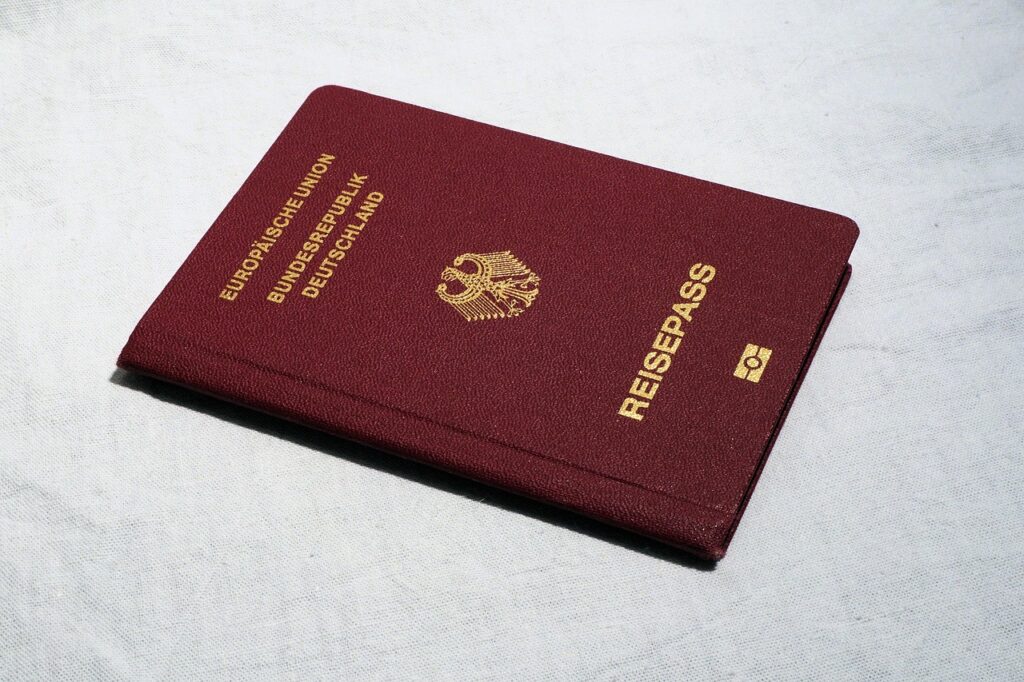

Member of Parliament Shashi Tharoor has formally proposed a policy shift in New Delhi this week, advocating for the recognition of a passport linked with an Aadhaar card as definitive proof of citizenship to resolve ongoing bureaucratic disputes. This proposal comes in response to increasing public frustration regarding the lack of a singular, universally accepted document that verifies both identity and citizenship status for Indian residents.
The Current Legal Framework
The controversy stems from a perceived disconnect between government administrative practices and the reality faced by ordinary citizens. Currently, the Indian government relies on Section 20 of the Passports Act, 1967, which allows the issuance of passports to non-citizens under specific, limited public-interest circumstances.
While this legal provision serves specific diplomatic or administrative functions, critics argue that it creates significant ambiguity for the average citizen. Because a passport is not technically designated as a conclusive proof of citizenship under current statutes, individuals often face hurdles when applying for government services, property registration, or welfare benefits that require strict citizenship verification.
Addressing the Documentation Gap
Tharoor’s proposal seeks to streamline this process by establishing a clear, digital-first link between the passport—a travel document—and the Aadhaar card, which serves as a ubiquitous biometric identity identifier. By formalizing this dual-document structure, the government could theoretically eliminate the need for redundant paperwork during verification processes.
Proponents of the policy argue that the current system is archaic, forcing citizens to navigate a labyrinth of documents including birth certificates, ration cards, and voter IDs. By leveraging the existing digital infrastructure of the Unique Identification Authority of India (UIDAI), the government could provide a more efficient mechanism for administrative compliance.
Expert Perspectives and Administrative Challenges
Legal analysts note that the proposal faces significant constitutional hurdles. While the ease of documentation is a popular goal, citizenship in India is governed by the Citizenship Act of 1955, which operates independently of travel documents. Experts caution that equating a passport with citizenship proof could inadvertently complicate the status of Overseas Citizens of India (OCI) or other residency classifications.
Data from the Ministry of External Affairs indicates that millions of passports are issued annually, making them the most widely held form of formal identification. However, shifting the legal weight of these documents would require a comprehensive legislative overhaul rather than a simple administrative policy change.
Industry and Social Implications
For the average citizen, the implementation of such a policy would significantly reduce the time and costs associated with obtaining government services. The reduction in document verification time could also expedite corporate onboarding processes and financial services, where ‘Know Your Customer’ (KYC) requirements often stall due to inconsistent documentation.
The policy also raises questions regarding data privacy and the centralization of sensitive biometric information. Integrating passport data with Aadhaar would create a high-value target for cybersecurity threats, necessitating robust encryption and oversight protocols that are currently under debate in the broader digital governance conversation.
Future Developments to Watch
Moving forward, the focus will shift to how the Ministry of External Affairs and the Ministry of Home Affairs respond to this legislative suggestion. Observers should monitor upcoming parliamentary sessions for any draft amendments to the Passports Act that might address these concerns. Additionally, the integration of digital identity verification across government departments remains a key metric for measuring the success of the current administration’s ‘Digital India’ initiative.