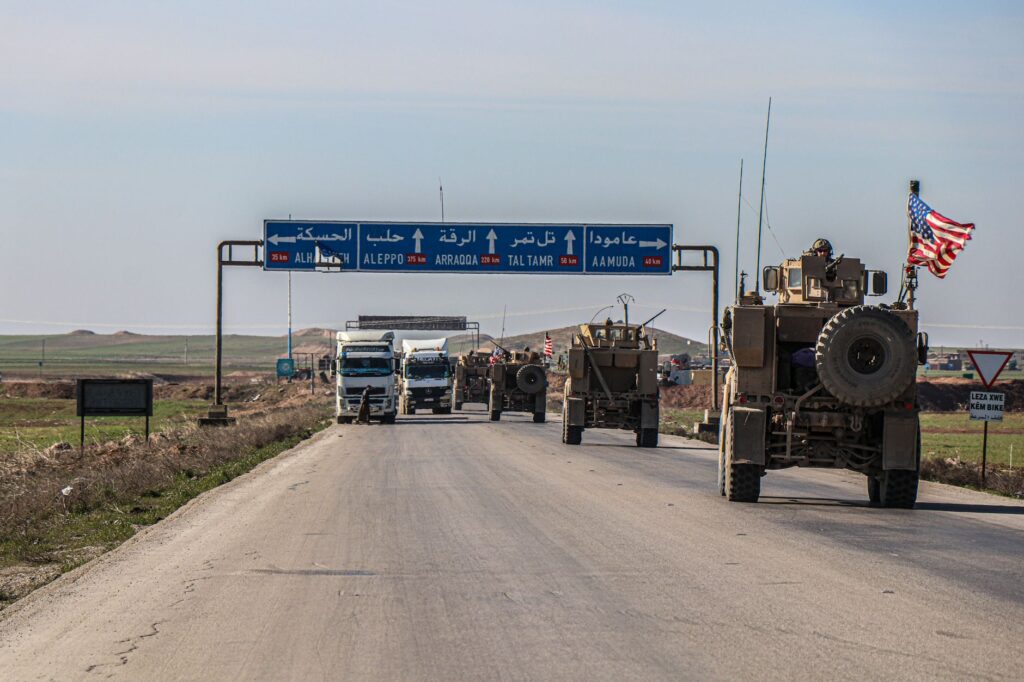

The geopolitical situation in the Middle East has entered a highly sensitive phase as military tensions continue to escalate between Washington and Tehran. Representatives for the Iranian government have issued a stern warning regarding potential future escalations. Officials stated that any upcoming military engagements from the United States would be met with a response that is notably faster, heavier, and far more painful than previous encounters.
Background of the Current Escalation
This latest war of words follows a series of direct confrontations in regional waters. Washington recently announced that its armed forces successfully targeted and struck Iranian oil tankers. According to American military officials, these maritime operations were carried out as a direct retaliatory measure against prior attacks launched by Tehran directed at United States warships operating in the area.
Strategic Implications for Regional Stability
Maritime security experts are closely monitoring the situation as the frequency of kinetic actions increases. The targeting of commercial energy transport vessels alongside naval warships marks a concerning shift in the tactical landscape. Analysts suggest that the continuous cycle of action and reaction threatens vital shipping lanes and energy supply chains running through the region.
International Diplomacy and Future Outlook
Global leaders have expressed deep concern over the deteriorating diplomatic channels between the two nations. With both sides signaling a willingness to employ further military force, the risk of miscalculation remains exceptionally high. Neighboring states and international organizations continue to call for immediate de-escalation, urging both Washington and Tehran to pursue diplomatic dialogue rather than military confrontation to resolve ongoing maritime disputes.