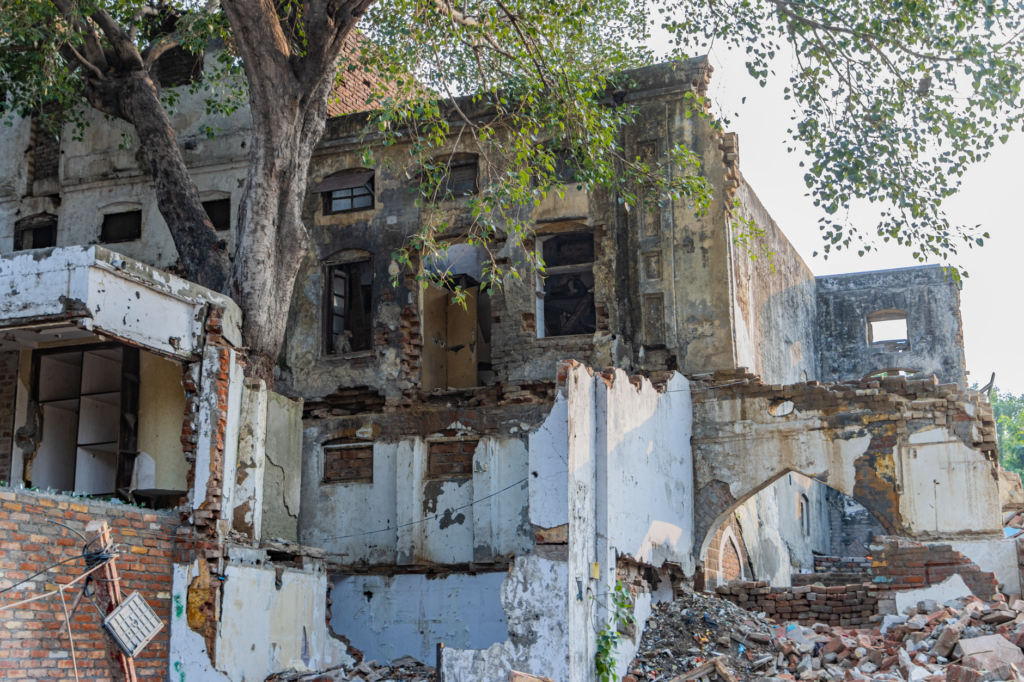

Tragedy Strikes An Aging Metropolis
Urban centers across the globe often grapple with the challenge of aging infrastructure. When buildings reach advanced ages, structural integrity naturally declines. However, human intervention frequently accelerates disaster long before natural decay takes its full toll.
A stark reminder of this reality occurred recently when a residential and commercial structure gave way in the bustling capital region of India. The incident has cast a harsh spotlight on dangerous renovation practices and the relentless pressure to maximize urban space at any cost.
Chronicle Of A Disaster Foretold
Reports surrounding the incident reveal that the structure in question was approximately half a century old. Over decades of existence, building materials weaken, foundations settle, and environmental factors erode core stability. Experts generally agree that structures of this vintage require meticulous maintenance, strict load management, or eventual demolition.
Instead of respectful retirement or careful modernization, the property reportedly became the target of aggressive alterations. Authorities and urban planners frequently warn against unauthorized structural modifications, particularly those involving foundational layers. Unfortunately, the pursuit of financial gain often overrides basic safety protocols in densely populated urban zones.
The Human Toll In The Basement
Every structural failure carries a profound human cost, and this incident was no exception. At the exact moment the edifice gave way, construction laborers were actively working in the basement.
Basement excavation and retrofitting are among the most hazardous phases of structural overhaul. Removing earth or altering load-bearing pillars in the lowest level of an already fragile structure dramatically increases the risk of catastrophic collapse. The presence of laborers underground highlights the ongoing vulnerability of construction workers who often operate without adequate oversight or safety guarantees.
Systemic Vulnerabilities And Urban Greed
The phenomenon of reviving dying structures through unauthorized construction is not an isolated event. Across many rapidly developing metropolitan areas, high land values create intense incentives to add floors, expand commercial spaces, or convert residential units into heavier commercial hubs.
Property owners sometimes bypass official municipal channels, hiring informal labor to carry out risky modifications overnight or away from prying eyes. This culture of circumvention transforms aging buildings into ticking time bombs. When structural support is compromised to create more room or utility, the margin for error shrinks to zero.
Preventing Future Tragedies
Addressing the root causes of such collapses requires a multi-faceted approach from local governance, property owners, and regulatory bodies. Strict enforcement of building codes is paramount. Municipal agencies must actively monitor older neighborhoods to identify unauthorized excavation and structural alterations before they result in loss of life.
Furthermore, accountability must be enforced rigorously. When illegal modifications lead to fatal collapses, property owners, contractors, and local inspectors who turn a blind eye must face severe legal consequences.
Protecting the workforce is equally critical. Construction laborers deserve safe working environments, proper protective equipment, and the right to refuse hazardous assignments in structurally compromised buildings.
Conclusion
The collapse serves as a tragic wake-up call for urban planners and city dwellers alike. It underscores the dangerous intersection of aging infrastructure and unregulated human activity. Until safety is prioritized above financial exploitation, cities will continue to witness preventable disasters that claim innocent lives.