
Volcanic Eruption Disrupts Regional Travel
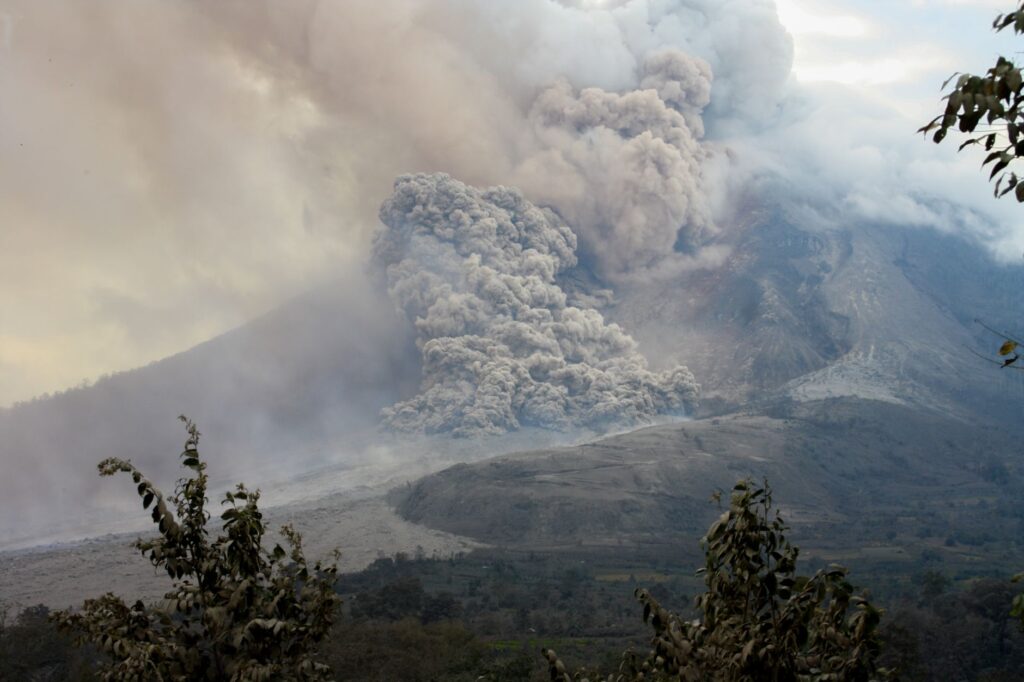
Recent seismic and volcanic activity in Indonesia has created significant challenges for regional transportation networks. Mount Anak Krakatoa experienced a major eruption on Saturday, sending pillars of ash high into the atmosphere and generating powerful acoustic waves. Government authorities and geological monitoring agencies confirmed that the explosive event produced striking fountains of molten lava.
The geological event was remarkably powerful. Reports from monitoring personnel indicated that loud, booming sounds associated with the blast echoed across distances spanning several hundred kilometers. Such intense activity immediately triggered heightened alert levels for aviation authorities who monitor regional airspace safety on a 24-hour basis.
Airport Closures Impact Thousands of Passengers
Ensuring passenger safety necessitated swift action from aviation regulators. Following the volcanic event, local authorities made the decision to temporarily suspend operations at nearby airports. This shutdown was deemed critical to protect aircraft engines from abrasive volcanic ash, which can cause catastrophic mechanical failures at high altitudes.
Regrettably, the temporary suspension of airport operations resulted in massive travel disruptions. Approximately one hundred seventy thousand passengers found their travel plans abruptly halted. Terminals quickly became congested as stranded fliers sought alternative routes, accommodation, and updated departure information from overworked airline staff.
Geological Monitoring and Ongoing Safety Measures
Volcanologists and disaster management teams continue to closely observe Mount Anak Krakatoa for any signs of subsequent activity. Indonesia sits within the highly active seismic zone known as the Pacific Ring of Fire, making frequent volcanic monitoring an absolute necessity for public safety.
Authorities maintain strict exclusion zones around the active crater to safeguard local populations and visiting tourists. While airlines wait for skies to clear and safety inspections to conclude, passengers affected by the closures are advised to stay in close contact with their respective carriers for the latest rescheduling details.