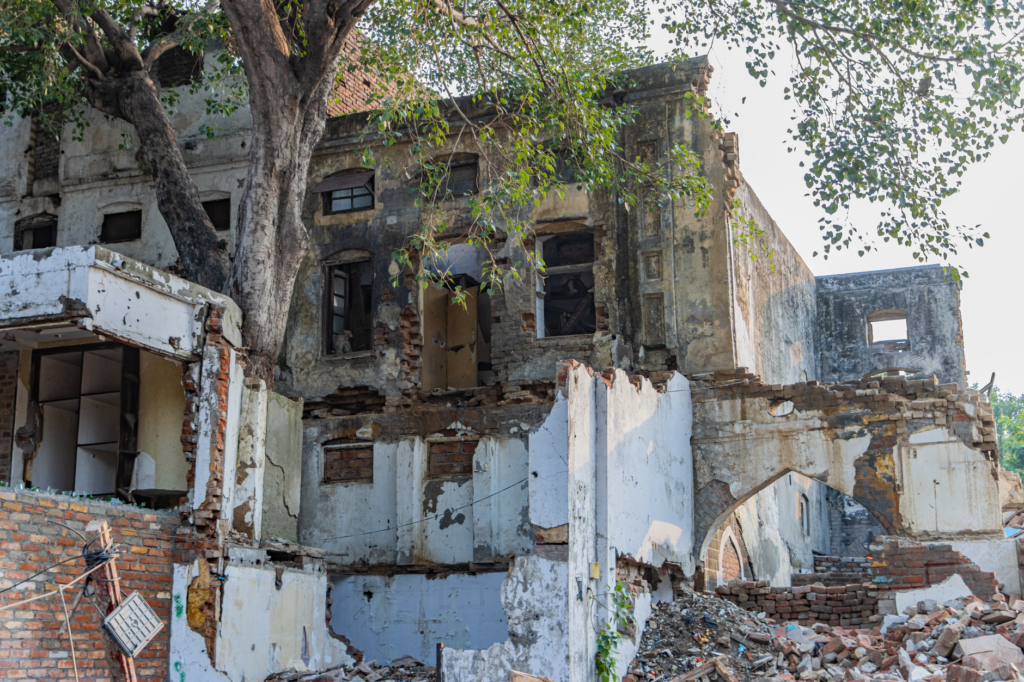

Tragedy struck the Indian capital when a multi-storey residential structure caved in, prompting massive emergency responses and leaving communities in shock. The incident has raised critical questions regarding urban safety standards, building integrity, and municipal oversight. Emergency personnel worked tirelessly through the night to locate survivors trapped beneath the debris, while local authorities initiated a thorough inquiry to determine the root cause of the structural failure.
Incident Overview
The disastrous event took place in the Satya Niketan neighborhood of Delhi. The structure involved was a five-storey building operating as a paying guest accommodation for students and working professionals. Without warning, the edifice suffered a catastrophic structural collapse, turning the site into a pile of rubble and trapping numerous occupants inside.
Immediate response teams, including disaster management units, fire services, and local police, rushed to the location to initiate rescue operations. Working against the clock and navigating unstable debris, rescue workers successfully pulled 11 individuals from the wreckage. Despite their valiant efforts, six people succumbed to their injuries, highlighting the severe impact of the disaster.
Rescue Operations and Emergency Response
The operation to secure the area and search for survivors continued throughout the night. Heavy machinery was deployed to clear massive blocks of concrete and twisted metal, while sniffer dogs and thermal imaging equipment were utilized to detect any signs of life beneath the ruins. Medical teams established triage stations near the site to provide immediate first aid to the rescued victims before transferring them to nearby hospitals for specialized treatment.
Eyewitnesses reported a thunderous sound resembling an explosion just before the building gave way. The sudden nature of the collapse left residents in neighboring properties panicked and fleeing into the streets. Authorities cordoned off the entire zone to facilitate the movement of emergency vehicles and to prevent civilian entry into the hazardous area.
Preliminary Findings and Structural Concerns
In the wake of the disaster, municipal authorities and government officials turned their attention toward investigating why the building failed. Initial assessments pointed toward potential structural weaknesses and ongoing renovation activities within the premises. Investigators are currently examining whether unauthorized alterations or excessive load-bearing modifications compromised the integrity of the five-storey structure.
Paying guest accommodations in densely populated urban centers often face scrutiny over compliance with building codes and fire safety regulations. Local authorities frequently battle issues related to illegal floor additions and substandard construction materials. This latest incident has intensified calls for a comprehensive safety audit of all similar residential properties across the city to prevent future tragedies.
Broader Implications for Urban Safety
The collapse in Satya Niketan serves as a grim reminder of the vulnerabilities inherent in rapidly expanding urban environments. Experts emphasize the urgent need for stricter enforcement of municipal building bylaws and regular inspections of aging infrastructure. As the investigation progresses, families of the victims and the broader public demand accountability from property owners and regulatory bodies alike.
Moving forward, municipal corporations are expected to crack down on unauthorized constructions and enforce stringent penalties for violations of safety norms. The tragedy underscores the imperative balance between urban housing demands and the absolute necessity of structural safety, ensuring that human lives are never compromised by negligence or regulatory oversight lapses.