
Introduction to the HTT-40 Milestone
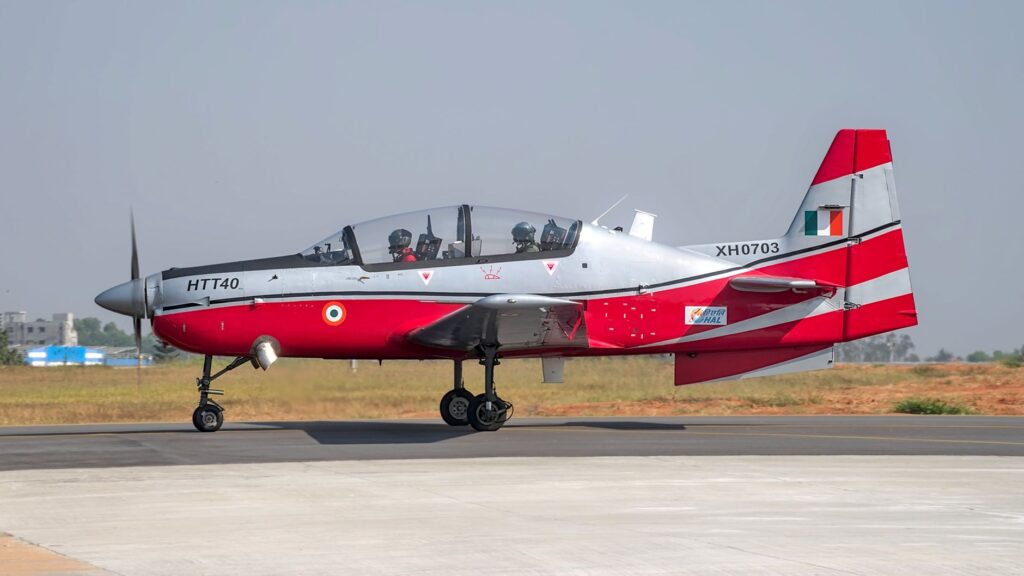
State-owned aerospace manufacturer Hindustan Aeronautics Limited is preparing to hand over its first batch of newly developed basic trainer aircraft to the national military. This significant step marks progress in domestic defense production and aims to strengthen the training capabilities of the armed forces.
Production and Assembly Locations
The initial delivery comprises three Hindustan Turbo Trainer-40 aircraft. Manufacturing operations for these advanced machines were distributed across two primary aerospace facilities to optimize production efficiency and leverage regional technical expertise.
Two of these aircraft were successfully assembled at the main manufacturing hub located in Bengaluru. Meanwhile, the third aircraft was built at the Nashik facility, demonstrating a collaborative production approach between different regional plants managed by the aerospace corporation.
Enhancing Military Pilot Training
The introduction of these indigenous aircraft into active service is designed to upgrade the primary flight training curriculum for military cadets. Modernizing the training fleet ensures that new pilots receive instruction on contemporary systems that match current operational standards.
Overcoming Previous Schedule Delays
This upcoming handover follows a period of notable delays in the delivery timeline. The successful completion and readiness of this initial batch indicate that manufacturing challenges are being addressed, allowing production lines to progress toward fulfilling larger defense orders.
Boost to Domestic Defense Manufacturing
Supplying locally designed and manufactured hardware aligns with broader national goals to achieve self-reliance in military equipment. By reducing dependence on foreign suppliers for basic training platforms, the domestic aerospace sector continues to build technical capacity and industrial competence for future defense projects.