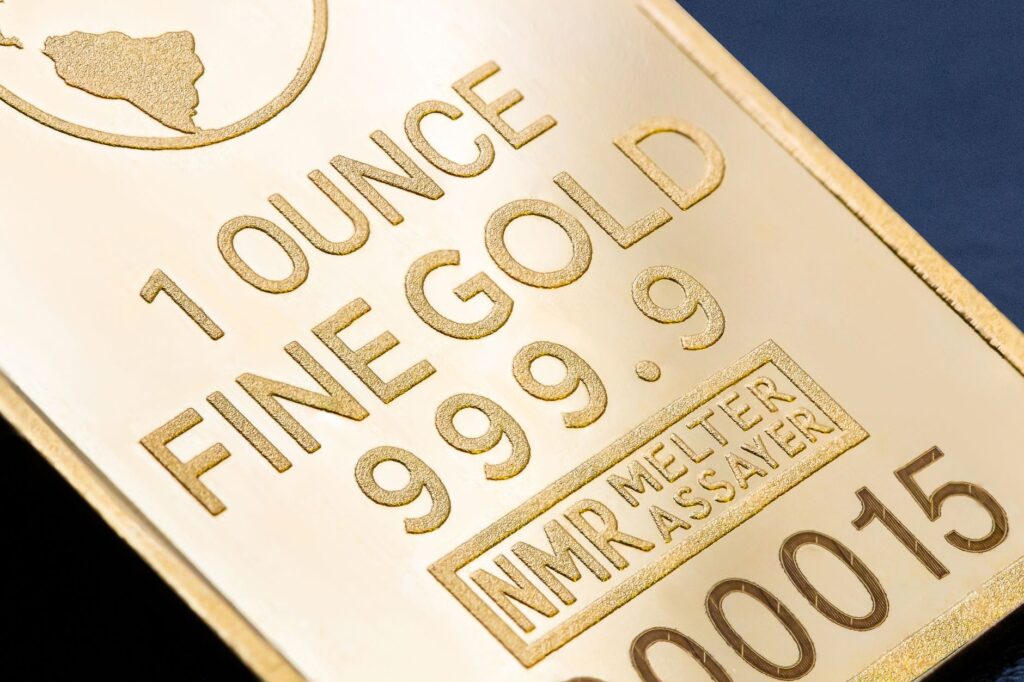

Gold Prices Decline On Strong Employment Reports
Gold prices experienced a downward trend during the trading session as robust employment statistics from the United States bolstered expectations for upcoming interest rate increases. Market participants are actively shifting their attention toward forthcoming inflation metrics, which will heavily influence the policy decisions of the Federal Reserve in the near term.
The broader financial markets are currently assessing the implications of the strong labor market data. Because a thriving economy with low unemployment often prompts central banks to tighten monetary policy, non-yielding assets like gold face immediate downward pressure. Traders are increasingly pricing in the possibility of monetary tightening during the upcoming policy meeting in September.
Inflation Data Takes Center Stage
All eyes in the global financial community are now fixed on the impending United States inflation reports. These upcoming figures serve as a critical gauge for policymakers determining the future path of interest rates. If the consumer price metrics reveal persistent inflationary pressures, gold values could experience additional selling pressure throughout the trading week.
Analysts note that market sentiment remains highly sensitive to macroeconomic indicators. Any unexpected upward movement in inflation data typically strengthens the domestic currency and elevates bond yields, creating a challenging environment for bullion investors seeking safe-haven assets during periods of economic transition.
Impact Across Precious Metals Markets
The downward movement was not isolated to gold alone. Other major precious metals also recorded modest losses during the same trading period. Silver, platinum, and palladium all saw minor downward adjustments as traders rebalanced their portfolios in response to the shifting macroeconomic landscape and the strengthening outlook for monetary policy.
As the financial markets await the definitive inflation figures, trading activity in commodities reflects a cautious approach. Institutional and retail investors alike are adopting a wait-and-see strategy to measure the exact trajectory of central bank interventions and their subsequent effect on global asset valuations.