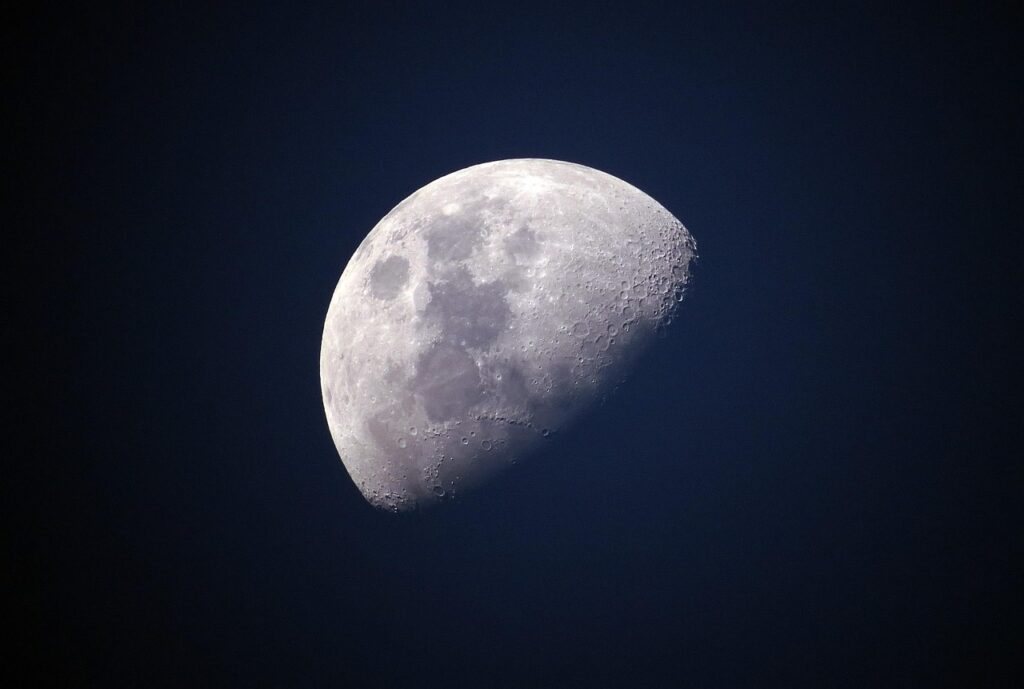

NASA leadership, including mission advisor Jared Isaacman, has officially signaled that a new space race is underway, with the United States and China locked in a high-stakes competition to land humans on the Moon by 2030. This geopolitical and technological contest marks a significant shift in orbital priorities, as both nations aim to establish a permanent foothold on the lunar surface by the end of the decade.
The Context of Lunar Exploration
The current push to return to the Moon differs significantly from the 1960s Apollo era. While the original space race was primarily a demonstration of national prestige, the modern mission focuses on resource extraction, long-term habitation, and testing technologies for eventual crewed missions to Mars.
China’s space agency, the China National Space Administration (CNSA), has demonstrated consistent success with its Chang’e lunar program, including recent autonomous sample returns from the Moon’s far side. Meanwhile, NASA’s Artemis program represents the American effort to return humans to the lunar south pole, a region believed to contain water ice that could be converted into rocket fuel.
Technological and Geopolitical Stakes
The race to 2030 is defined by the development of next-generation heavy-lift rockets and life-support systems. NASA is currently leveraging public-private partnerships, such as those with SpaceX and Blue Origin, to reduce the cost and technical risk of lunar descents.
China, conversely, maintains a state-led development model that has rapidly accelerated its independent space station construction and lunar infrastructure plans. According to the Pentagon’s recent report on military and security developments involving China, the country’s space capabilities are viewed as a critical component of its broader strategic ambition to achieve parity with the United States in aerospace dominance.
Expert Perspectives
Industry analysts point to the strategic importance of the lunar south pole as the central point of contention.