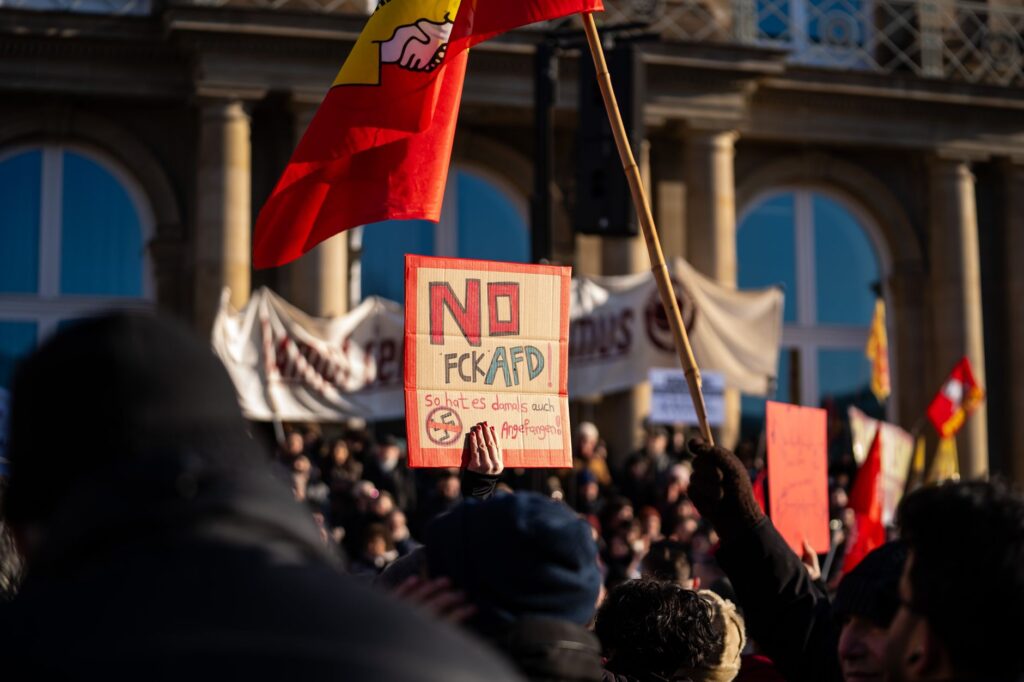

Political landscape in Europe shifts as mainstream leadership confronts a new reality. Recent electoral developments in Germany have sent ripples across the continent, prompting urgent discussions among regional analysts and political strategists.
Electoral Breakthrough in Saxony-Anhalt
The recent political developments in Saxony-Anhalt mark a significant turning point for the nation. The far-right Alternative for Germany party achieved unprecedented electoral success in the state, securing victories that have challenged the dominance of traditional political forces.
Political observers note that this outcome reflects a broader trend of shifting voter sentiment away from established leadership and toward alternative political movements.
Alarm Bells for the European Union
Regional experts and continental analysts view these developments with considerable concern. The ascent of nationalist platforms within major European economies often serves as a barometer for broader continental discontent.
Traditional parties now face the complex challenge of addressing voter grievances related to economic pressures, governance, and national identity without inadvertently validating more radical political platforms.
Implications for Traditional Political Parties
Mainstream organizations across the political spectrum are currently reevaluating their strategies to connect more effectively with the electorate. The success of alternative movements highlights a growing disconnect between voters and conventional leadership.
As political dynamics continue to evolve, leaders across the region must navigate these complex challenges to maintain stability and regain public trust in democratic institutions.