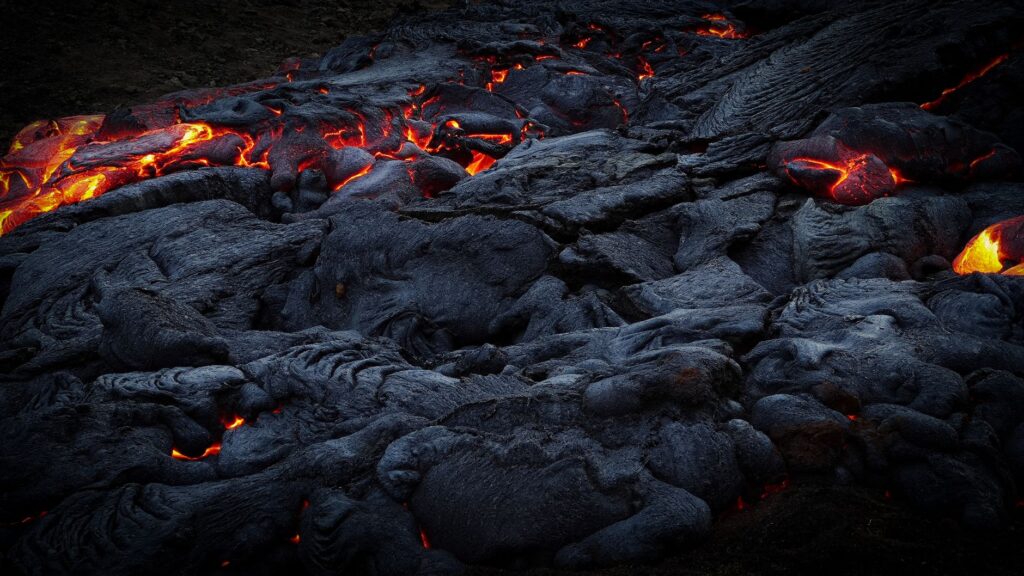

Volcanic Activity Begins Near Jakarta
Natural geological events often catch communities off guard, and a recent volcanic disturbance in Southeast Asia has demonstrated the unpredictable power of nature. Anak Krakatau, a volatile geological formation situated approximately 150 kilometers away from the bustling capital city of Jakarta, suddenly roared to life late on a Friday evening. The initial explosion sent tremors of concern through the region, immediately drawing the attention of disaster management authorities and aviation experts.
Immediate Impact on Regional Air Travel
The timing of the geological event presented severe logistical challenges for regional transportation networks. As ash plumes billowed into the atmosphere, aviation safety authorities recognized an immediate threat to aircraft engines, which can suffer catastrophic failure when ingesting volcanic ash. Consequently, local and international flights faced unprecedented disruptions, leaving air terminals across the affected zones paralyzed.
Travelers Face Extended Delays
Transportation hubs reported unprecedented congestion as terminal buildings filled with affected passengers. Airlines worked tirelessly to manage the crisis, yet the persistent nature of the hazard forced authorities to prolong airport closures indefinitely. Without a clear timeline for the resumption of normal flight operations, passenger uncertainty grew significantly across the region.
Massive Numbers Affected by Grounded Flights
Logistical tallies revealed a staggering scale of disruption, with approximately 270,000 travelers finding themselves stranded. Public transit networks, local hospitality providers, and emergency services collaborated to manage the enormous influx of grounded passengers. Temporary assistance stations were established to provide basic provisions to those unable to reach their intended destinations.
Ongoing Monitoring and Safety Protocols
Scientific monitoring teams maintained a round-the-clock watch on the geological formation, analyzing seismic data and atmospheric drift patterns. Emergency response units remained on high alert, prepared to execute evacuation protocols if secondary eruptions occurred. Authorities urged the public to adhere strictly to safety perimeters established around the hazard zone, prioritizing human life above all other considerations as the situation continued to unfold.