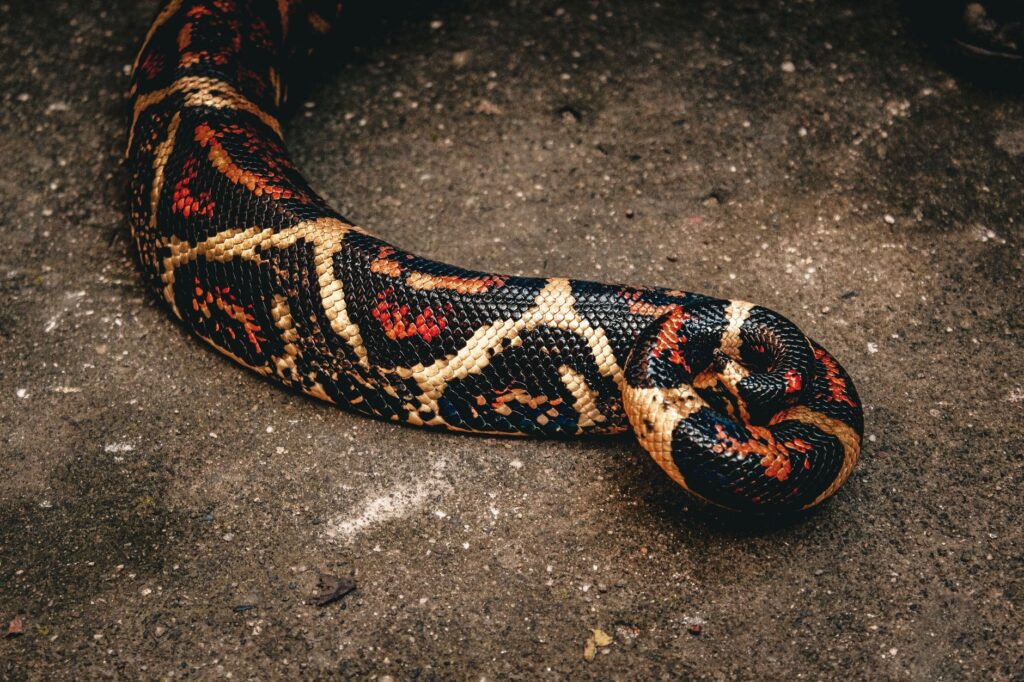

Urban wildlife encounters sometimes lead to extraordinary situations, requiring specialized intervention to ensure the safety of both humans and animals. A recent incident in Mumbai highlighted this reality when a massive python sought shelter inside a stationary automobile, creating a tense situation for local residents and vehicle owners alike.
Introduction to the Incident
In the bustling neighborhood of Dahisar, Mumbai, the morning routine of a local car owner was drastically altered. Upon inspecting a parked vehicle, individuals discovered an unusual and startling passenger tucked away within the machinery. A massive python, measuring approximately seven feet in length, had managed to crawl inside the automobile and coil itself securely within the tight spaces of the car.
Urban environments often intersect with local wildlife habitats, leading to such unexpected encounters. As cities expand, native species occasionally find themselves navigating residential streets and residential parking lots in search of shelter or food. Finding a reptile of this size inside a personal automobile is uncommon, but it demonstrates the adaptability of these creatures when navigating densely populated metropolitan areas.
Mobilizing the Rescue Operation
Recognizing the potential danger to both the animal and any curious bystanders, local residents quickly alerted professional wildlife rescue authorities. Swift action is critical in these scenarios to prevent panic and to ensure that untrained individuals do not attempt a hazardous extraction.
Specialized animal handlers arrived at the scene equipped with the appropriate tools and protective gear required to manage large constrictors safely. Extracting a reptile from the interior mechanics of a modern automobile requires immense patience, precision, and technical knowledge. The rescuers had to carefully navigate the complex layout of the vehicle parts without causing injury to the serpent or damaging the owner’s property.
Safe Extrication Process
Working meticulously, the response team assessed the position of the python within the car. The reptile had wedged itself into a tight compartment, utilizing the shade and structural components for concealment. Handlers employed calm and deliberate movements to avoid agitating the animal, as stressed pythons can become defensive.
Through careful maneuvering, the rescue professionals slowly coaxed the seven-foot creature out of its hiding spot. The operation required coordinated efforts to gradually pull the long body free from the mechanical components of the vehicle. Throughout the process, the team maintained a secure grip to prevent the snake from darting into a nearby drain or tighter urban crevice.
Health Assessment and Release
Once the python was successfully removed from the automobile, it was placed in a secure transport container for a comprehensive evaluation. Wildlife veterinarians and handlers inspected the animal to determine its physical condition following the stressful ordeal inside the vehicle.
Officials confirmed that the snake was in healthy condition and completely unharmed. Despite the cramped quarters and the commotion surrounding its discovery, the python sustained no injuries during the rescue operation. This positive outcome is a testament to the expertise and careful handling of the wildlife rescue personnel involved.
Following the health clearance, authorities made the decision to return the creature to the wild. The python was transported away from the urban expanse of Dahisar and safely released back into its natural habitat. This ensures that the animal can resume its normal life cycle in an environment suited to its ecological needs, far away from city traffic and parked cars.
Conclusion on Urban Wildlife Awareness
Incidents of this nature underscore the importance of maintaining composure and contacting professional services when wild animals are spotted in unexpected locations. Mumbai wildlife authorities continue to advocate for peaceful coexistence with local fauna, reminding citizens to report sightings immediately rather than taking matters into their own hands. Through prompt reporting and expert intervention, both human communities and native wildlife can navigate these rare encounters safely.