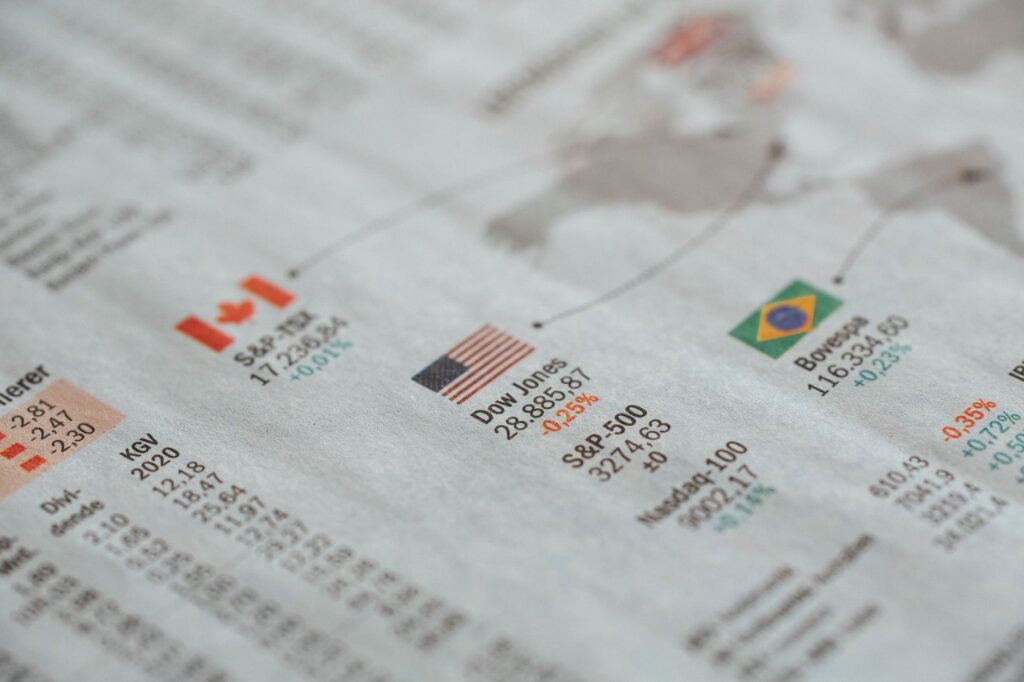

Understanding International Financial Shifts
Financial markets across the world are currently experiencing a period of significant transition. Investors in major financial centers from Asia to Europe and the Americas are closely monitoring shifting economic indicators. The financial landscape is heavily influenced by policy decisions, inflation expectations, and changing monetary conditions that dictate the direction of capital.
Rising Bond Yields Across Major Economies
One of the most prominent developments in recent trading sessions is the upward movement of sovereign bond yields. Yields have registered notable increases in numerous international jurisdictions, spanning from Sydney and Tokyo to London and New York. This widespread ascension signals a broader reassessment of risk and return within fixed-income markets as central banks navigate complex economic environments.
Implications for Government Financing Costs
The steady climb in sovereign debt yields directly impacts the cost of national borrowing. As interest rates adjust upward, governments must allocate larger portions of their budgets toward servicing existing debt obligations. This fiscal pressure can limit public spending capacity and requires careful treasury management to ensure long-term economic stability without destabilizing public accounts.
Corporate Borrowing Pressures
Beyond public sector finances, the higher yield environment exerts pressure on corporate balance sheets. Businesses rely heavily on debt markets to fund expansion, research, and operational requirements. As borrowing expenses rise, firms face increased hurdles in securing affordable capital. This dynamic can influence corporate profitability, delay capital expenditure projects, and prompt companies to reassess their debt structures.
Valuations and Equity Market Dynamics
Stretched equity valuations represent another critical concern for market participants. When bond yields offer more attractive returns with lower perceived risk, investors often reallocate capital away from equities. This shift can introduce volatility into stock exchanges, particularly for growth-oriented companies whose valuations depend heavily on future earnings discounted at lower rates.
Navigating Uncertainty in the Week Ahead
As financial professionals evaluate these interconnected developments, vigilance remains paramount. Monitoring the trajectory of sovereign yields, corporate debt burdens, and equity pricing will be essential for navigating the current economic climate. Maintaining a diversified portfolio and staying informed about global macroeconomic shifts will help investors manage potential risks effectively.