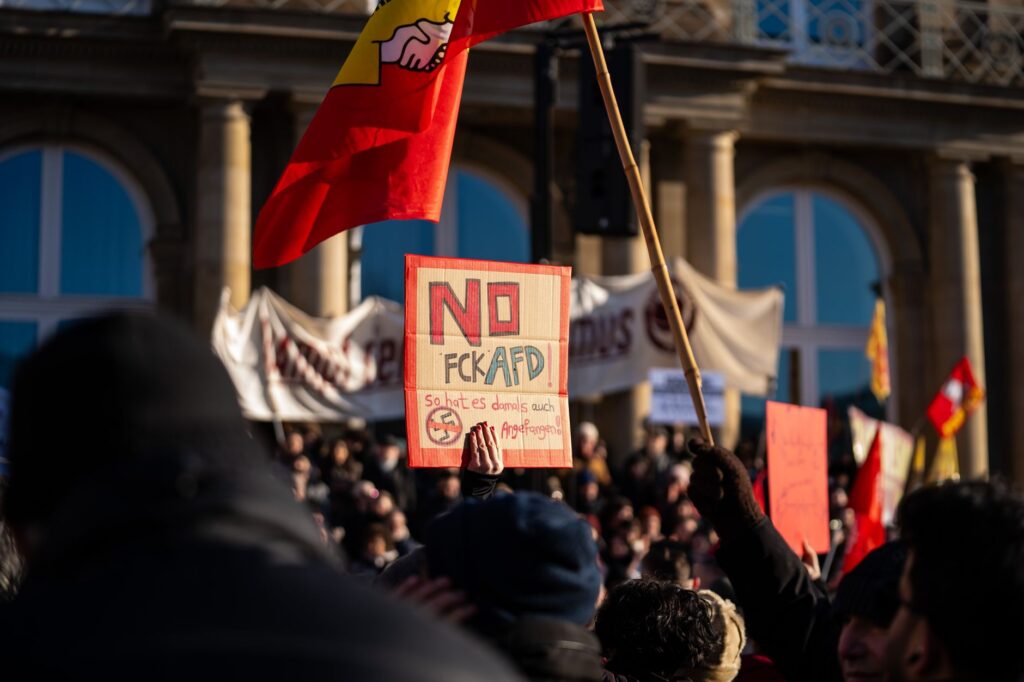

The political landscape in Germany faces a significant test as the far-right Alternative for Germany party insists that democratic principles require rival political factions to engage with them following a major electoral breakthrough at the regional level.
Political Shift In Regional Government
The recent state election results have disrupted traditional coalition calculations across the country. By securing a dominant position at the ballot box, the nationalist political organization has positioned itself firmly at the center of regional governance discussions.
Despite the strong electoral showing, the party fell just three seats short of securing an absolute majority in the state legislature. This shortfall means that forming a viable governing administration will require legislative partners or some form of parliamentary tolerance from rival groups.
Democracy And Coalition Realities
Leadership figures within the movement have publicly stated that the will of the electorate must be respected. According to senior party spokespersons, modern democratic standards demand that other political groups abandon total exclusion strategies and participate in constructive governance talks.
Historically, mainstream German political parties have maintained a strict cordon sanitaire, refusing to enter into coalitions or formal agreements with the far-right movement. This wall of isolation has defined federal and state politics for years, preventing the organization from translating voter support into executive power.
Challenges For Rival Factions
Established political parties now confront a difficult dilemma. Continuing to shut out the regional election winner risks alienating a large segment of the local electorate who voted for change.
On the other hand, breaking the longstanding taboo of cooperating with the nationalist faction could reshape the national political identity and trigger intense internal debate among moderate voters.
Looking Ahead At Government Formation
Negotiations to establish a stable administration are expected to be complex and protracted. The outcome will likely set a crucial precedent for how future regional and national elections are managed when populist movements achieve substantial electoral gains.
As discussions proceed behind closed doors, political analysts and observers across Europe will monitor the region closely to see whether mainstream parties adjust their long-standing resistance to working with the ascendant political force.