
Introduction to the Judicial Intervention
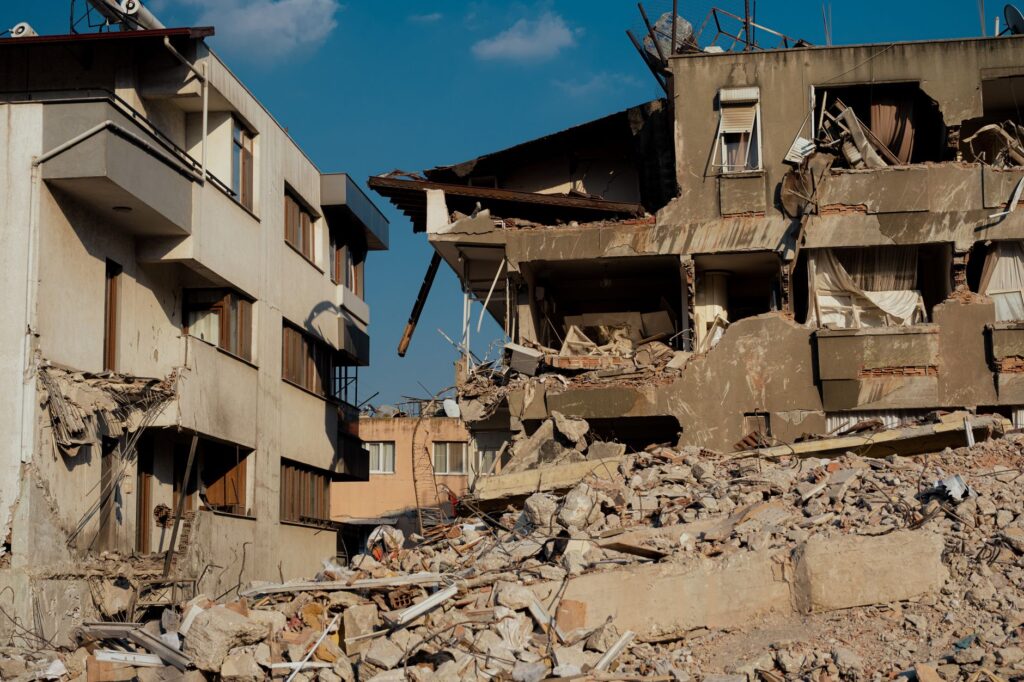
The judicial system has stepped in following a tragic incident in the capital city. The Delhi High Court has officially requested a comprehensive and high-level investigation into the fatal collapse of a building located in the Satya Niketan area. This devastating structural failure resulted in the loss of seven lives, prompting immediate concern regarding public safety and regulatory oversight.
The court observed that the tragedy underscores a much wider and more dangerous issue affecting housing for young individuals who move to the metropolitan area for educational purposes. According to the observations made during the judicial proceedings, the overall environment and structural integrity of numerous student housing arrangements across the city remain severely compromised.
Assessing Student Housing Conditions
During the hearings, the bench highlighted that student accommodations, particularly paying guest houses and private hostels catering to outstation scholars, are currently in an extremely deplorable and pathetic condition. Many young people leave their hometowns to pursue higher education in the capital, relying on private landlords and commercial operators for basic shelter.
Unfortunately, the pursuit of affordable housing often leads these students into poorly maintained properties. The lack of stringent safety standards, combined with overcrowding and neglected infrastructure, creates a ticking time bomb in many densely populated neighborhoods. The Satya Niketan incident has brought these grim realities to the forefront, forcing judicial authorities to demand accountability from local municipal bodies and property owners.
Details of the Tragic Incident
The fatal collapse in Satya Niketan claimed seven precious lives, sending shockwaves through the community and drawing national attention to urban safety failures. Emergency response teams rushed to the site, but the structural damage was too severe, and the rescue operations could not prevent the tragic fatalities.
Local authorities initially faced scrutiny regarding how the building was permitted to operate without adhering to mandatory safety codes. Unauthorized modifications, weak foundational pillars, and the overloading of residential spaces are frequently cited as primary contributors to such urban disasters. The upcoming high-level inquiry aims to uncover the exact sequence of events, pinpoint negligence, and ensure that those responsible face appropriate legal consequences.
Urgent Need for Regulatory Enforcement
In response to the tragedy, legal experts and urban planners are calling for strict regulatory enforcement across all neighborhoods housing educational institutions. Municipal corporations have often been accused of turning a blind eye to illegal constructions and commercial conversions of residential properties.
The court emphasized that student welfare cannot be compromised for commercial gain. Strict guidelines must be established and enforced to inspect every operational hostel and lodging facility in the city. Fire safety exits, structural stability certificates, and occupancy limits must be verified through routine government audits rather than relying on post-disaster investigations.
Moving Forward and Preventing Future Tragedies
As the high-level probe gets underway, the primary objective remains the prevention of similar catastrophes in the future. The judicial directive serves as a stern warning to civic authorities and property owners who neglect basic safety protocols.
Families of students residing in the capital are understandably anxious about the safety of their children. Restoring confidence in the local housing market requires transparent investigations, rigorous policy implementation, and severe penalties for violators. The collective hope is that this tragic event in Satya Niketan will serve as a turning point, ultimately leading to safer, more regulated living conditions for every scholar studying in the city.