
Introduction To The Discovery
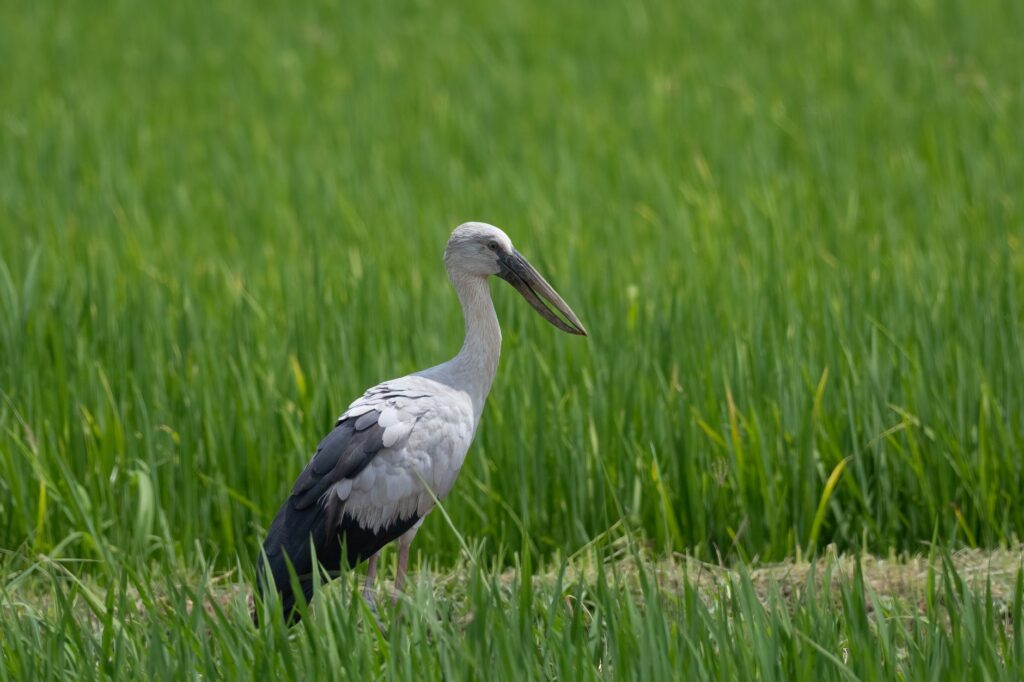
A remarkable wildlife sighting has recently drawn the attention of environmental advocates in the northeastern state of Assam. A colony consisting of approximately one hundred Asian Openbills has been identified establishing a breeding ground within a residential area. This significant biological event took place at Sumoni Bandarkhati village, which falls under the jurisdiction of the Kakopathar Range inside the Doomdooma Forest Division located within the Tinsukia district.
The presence of this substantial flock engaging in reproductive activities on a local tree highlights the ecological importance of the region. Local communities and wildlife experts alike have recognized the value of this occurrence, noting that the selection of a residential tree for nesting underscores the complex relationship between human habitation and local fauna in Assam.
Conservationists Appeal For Action
Following the identification of the avian colony, urgent appeals have been issued to safeguard the birds and their immediate environment. Prominent wildlife conservationist Devajit Moran has stepped forward to address the situation. Moran has formally requested the relevant authorities within the Forest Department to conduct an on-site inspection of the location.
The primary objective of this requested intervention is to ensure that the breeding pair and their nests remain undisturbed throughout this critical reproductive cycle. Environmental advocates emphasize that timely administrative action is essential to prevent any potential disturbances that could jeopardize the safety and survival of the newly established colony.
Understanding The Nesting Habitat
The choice of Sumoni Bandarkhati village by the Asian Openbills demonstrates the adaptability of these wading birds to semi-urban or inhabited landscapes. While these creatures typically frequent wetlands, agricultural fields, and marshy lands to forage for snails and other aquatic prey, selecting a resident tree for nesting places them in close proximity to human populations.
This proximity necessitates heightened awareness and cooperative protection efforts between local residents and wildlife officials. Ensuring the preservation of the nesting tree is paramount, as the disruption of such a localized breeding site could have negative consequences for the local population of the species.
Next Steps For The Forest Department
The appeals directed toward the Doomdooma Forest Division place a clear responsibility on local wildlife authorities to monitor the site closely. Establishing protective measures will require coordinated efforts to educate villagers about the significance of the avian visitors and to deter any activities that might threaten the habitat.
As the situation develops, environmentalists hope that prompt administrative responses will set a positive precedent for community-backed wildlife protection across the Tinsukia district and the wider Assam region, ensuring a safe haven for these remarkable birds.