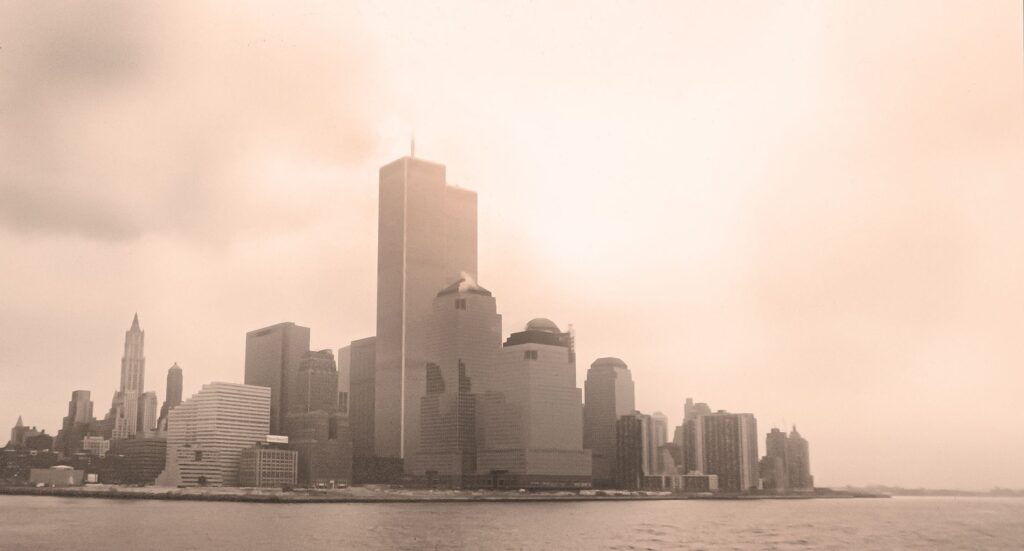

Background And Context
Decades after the tragic events of September 11, new records concerning environmental safety in New York City have been made public. These newly available materials shed light on the initial evaluations and discussions among officials regarding the safety of the atmosphere in Lower Manhattan following the collapse of the World Trade Center towers.
Immediately following the disaster, governmental bodies and public health leaders issued statements to reassure residents, workers, and first responders that the surrounding air was safe to breathe. However, the newly released files indicate that behind the scenes, there were active discussions and underlying apprehensions about potential environmental hazards and pollutants resulting from the structural collapses.
Internal Concerns Revealed
The recently disclosed paperwork details various communications where experts and administrators evaluated the particulate matter, dust, and toxic substances present in the environment. While public declarations emphasized a swift return to normalcy and a safe environment, the documentation points to a more complex internal dialogue regarding the potential long-term health implications of the dust cloud.
Observers and researchers examining these historical items note that balancing public calm with accurate hazard communication is a profound challenge during major crises. The newly public details offer historians and health professionals a clearer picture of how information was processed, shared, and managed during an unprecedented urban emergency.
Public Health Implications
The release of these materials contributes to the ongoing historical and medical examination of the aftermath of the attacks. Thousands of individuals who lived, worked, or volunteered in the vicinity of the disaster zone have dealt with persistent health issues over the years. The documentation adds valuable context to the timeline of environmental monitoring and the evolving understanding of disaster-related exposure.
Health advocates and researchers continue to study the long-term impacts of the events on the local population. By examining these historical records, experts hope to gain better insights into emergency response protocols and the critical importance of transparent environmental monitoring during large-scale urban disasters.