
Background and Context
Recent policy changes implemented by the United Kingdom regarding trade and economic measures have placed renewed focus on agricultural operations in the West Bank. These new restrictions specifically target individuals and entities associated with Israeli settlements in the region. As international scrutiny over territorial development increases, local agricultural communities find themselves navigating a complex and shifting economic landscape.
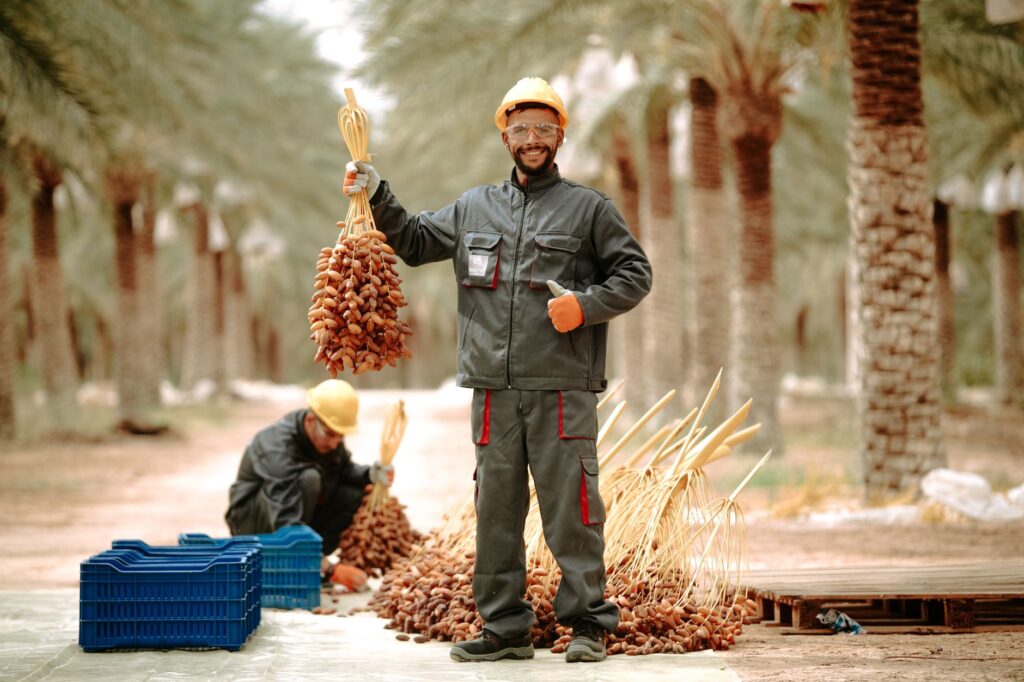
Agricultural trade in the West Bank involves multiple communities operating under distinct political and economic conditions. Date production represents a significant economic sector for both Palestinian growers and Israeli farms established within the settlements. The introduction of external trade limitations directly impacts the distribution and export channels that these agricultural enterprises rely upon to reach international markets.
Palestinian Perspectives on Trade Restrictions
Many Palestinian agricultural workers and local communities have expressed strong support for the trade measures and restrictions on goods originating from settlements. From the perspective of local advocates and workers, these international actions represent a crucial step toward addressing longstanding concerns regarding land use and economic parity in the region. Supporters argue that limiting the market access of settlement products helps reinforce international legal standards concerning occupied territories.
For years, local producers have highlighted the disparities in resources, such as water access and infrastructure development, between Palestinian farms and neighboring settlements. Consequently, measures that restrict the commercial reach of settlement-based agriculture are viewed by many within the Palestinian community as a meaningful acknowledgment of these ongoing challenges. The hope among supporters is that such economic pressure will encourage a reevaluation of settlement expansion policies.
Official Responses from the Israeli Government
In stark contrast to the welcoming reactions from Palestinian communities, the Israeli government has strongly condemned the UK sanctions. Official statements from state representatives have characterized the restrictions as a serious miscalculation that fails to account for the complex realities on the ground. According to government officials, targeting economic enterprises in the region damages broader diplomatic efforts and negatively affects regional stability.
Furthermore, critics of the sanctions within the administration argue that such measures disproportionately harm the livelihoods of workers who depend on these agricultural operations for their income, regardless of their background. Officials maintain that economic cooperation and commercial engagement are vital for maintaining a functioning regional economy, warning that external interference through trade bans creates unnecessary obstacles to peaceful coexistence and mutual development.
Economic Implications for the Local Sector
The implementation of these trade barriers creates immediate uncertainty for date farmers operating throughout the West Bank. Agricultural supply chains are deeply integrated, and adjusting to new regulatory requirements demands significant logistical changes. Producers must identify alternative export routes and diversify their client bases to mitigate potential financial losses resulting from the restricted access to British markets.
As the situation continues to evolve, industry observers are closely monitoring how international buyers will respond to the updated trade guidelines. The ability of both Palestinian and Israeli agricultural businesses to adapt to these regulatory shifts will largely determine the long-term viability of the date export sector in the region. While political divisions remain deep regarding the justification of the sanctions, the practical economic consequences are already reshaping daily operations for farmers across the territory.