
Introduction to the West Bank Settlement Debate
The geopolitical landscape of the Middle East remains deeply complex, particularly regarding territorial developments in the occupied West Bank. Recent diplomatic tension has arisen following Israel’s announcement of a proposed settlement site in the region. This initiative has drawn significant international scrutiny, most notably from the United Kingdom, which has formally voiced its opposition to the plan.
Geographic Significance of the Proposed Site
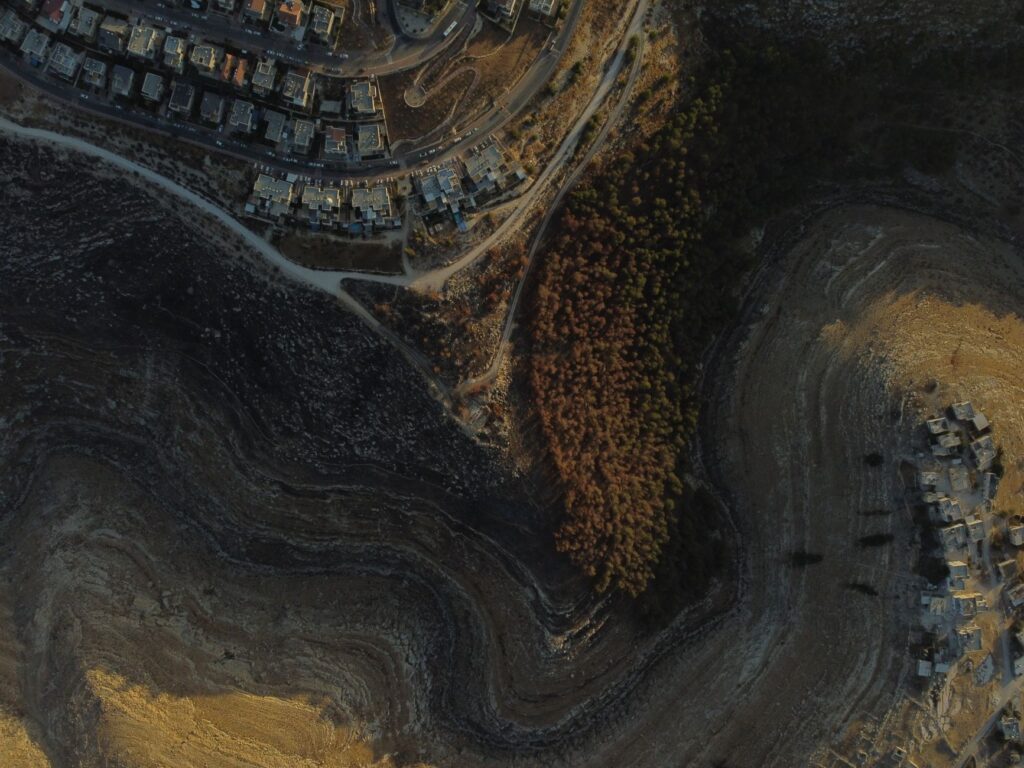
The location chosen for the new settlement holds strategic importance within the occupied territories. Observers and reporters on the ground have highlighted the proximity of the proposed site to existing regional infrastructure and local communities. Situated within the West Bank, the area has long been a focal point for territorial claims and competing visions for the future of the region.
International Opposition and Diplomatic Repercussions
The United Kingdom joins a broad coalition of international actors in expressing deep concern over the settlement plans. Foreign policy officials have consistently maintained that such developments undermine the viability of a future two-state solution and complicate peace efforts. Diplomatic channels are currently engaged in assessing the potential long-term impacts of the construction project on regional stability.
Local Realities on the Ground
Beyond high-level diplomatic statements, the proposed settlement directly impacts the daily lives of residents in the surrounding area. Land use, freedom of movement, and community resources are all subjects of ongoing debate as the project moves forward through planning stages. Observers continue to monitor the situation closely to understand how these developments will reshape the local environment.