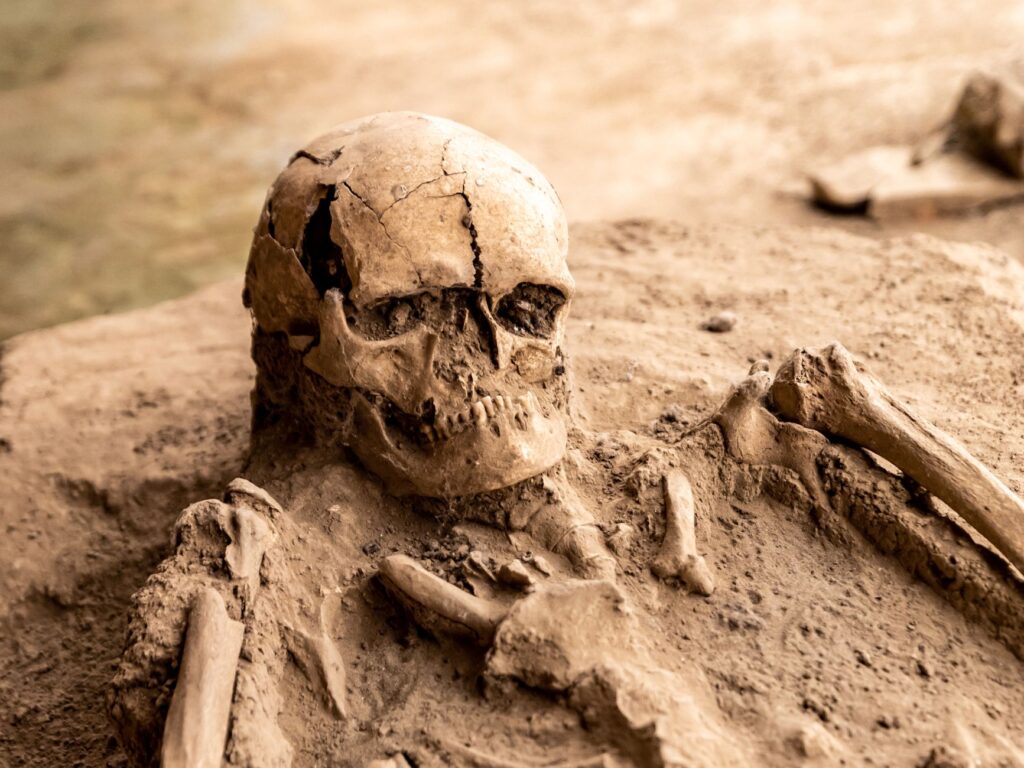

A prominent political leader in Assam has formally requested the application of modern scientific methods to analyze ancient human remains found in a globally recognized historical site. Raijor Dal president and legislator Akhil Gogoi recently issued a public statement addressing the skeletal remains currently preserved at the museum operated by the Archaeological Directorate located in Charaideo.
Demands for Advanced Scientific Analysis
The opposition leader emphasized that standard historical examination is no longer sufficient for understanding the true origins and identities of the individuals whose bones were recovered from the region. By advocating for advanced scientific techniques, specifically DNA profiling, the legislator hopes to uncover concrete historical data that can shed light on the ancestral lineage and specific identities tied to the archaeological findings.
Significance of the Charaideo Maidams
The site in question holds immense cultural and historical value for the region, representing an architectural and ancestral marvel that draws attention from historians and researchers worldwide. Preserving the integrity of the artifacts and human remains housed within the local museum remains a top priority for cultural preservationists and public officials alike.
Potential Impact on Local History
Implementing genetic testing on these preserved remains could open new avenues for historical research in Assam. Experts believe that modern laboratory analysis might provide unprecedented clarity regarding the era, health, and backgrounds of the figures entombed or discovered within the ancient burial mounds, bridging gaps in the regional historical record.
Official Response and Next Steps
As of now, local authorities and cultural heritage management boards have not formally announced a timeline or approval for the requested genetic procedures. However, the prominent appeal by the local legislator has sparked renewed public and academic interest in the proper scientific curation of historical artifacts across the region.