
Market Overview and Recent Losses
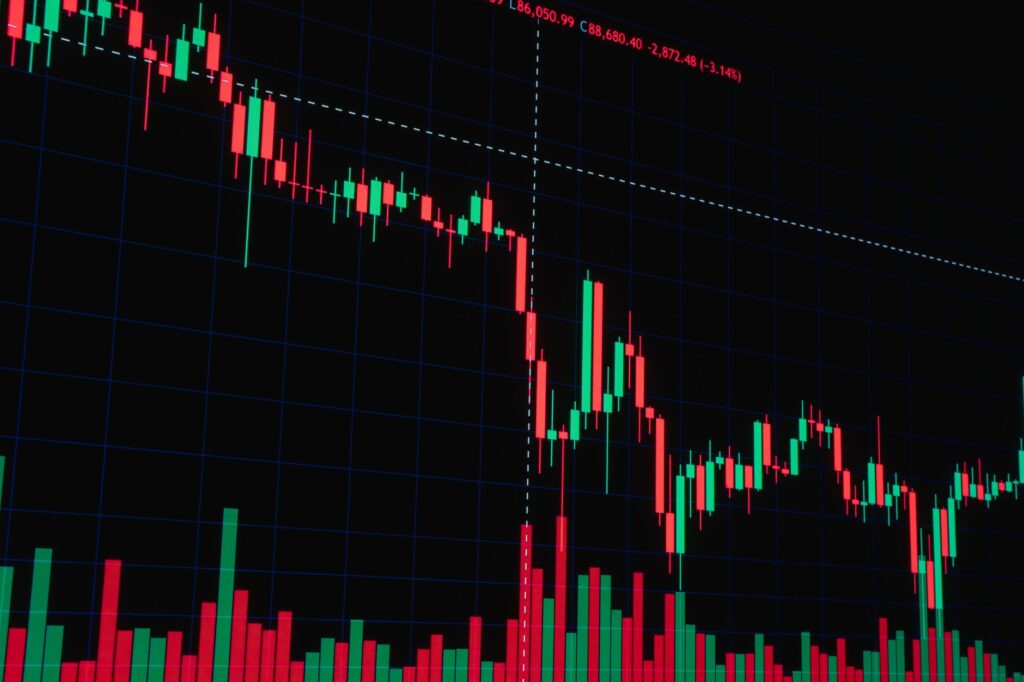
Indian equity benchmarks witnessed a sharp downward movement during the trading session, causing concern among market participants. Both the BSE Sensex and the NSE Nifty recorded substantial declines, reflecting broad-based selling pressure across major sectors. The Nifty slipped below the crucial psychological milestone of 23,500, while the Sensex plunged by over 600 points.
This sudden correction wiped out significant wealth in a single session. The total market capitalization of firms listed on the exchange eroded by roughly two lakh crore rupees. Investors scrambled to reassess their portfolios as macroeconomic headwinds and domestic triggers combined to dent market sentiment.
Impact on Information Technology Sector
Heavyweight technology stocks bore the brunt of the selling pressure. Major index constituents such as Infosys and Tata Consultancy Services saw considerable downward revisions in their share prices. Because technology giants hold significant weightage in both the Sensex and the Nifty, their decline heavily influenced the overall direction of the indices.
Analysts noted that global tech spending outlooks and currency fluctuations contributed to the weakness in IT counters. Institutional investors appeared to trim their exposure to high-valuation technology names, preferring to book profits or shift capital toward defensive sectors.
Broader Markets and Investor Sentiment
The bearish sentiment was not restricted to large-cap stocks alone. The broader market segments also mirrored the primary indices, with midcap and smallcap gauges registering notable losses. Market breadth remained firmly in the negative territory, indicating widespread liquidation across diverse industries.
Retail and high-net-worth investors faced pressure as speculative segments saw profit-booking. The sheer scale of the downturn across multiple asset tiers highlighted a cautious approach among market participants who chose to reduce risk amid rising uncertainties.
Key Catalysts Behind the Selloff
Several concurrent factors triggered the aggressive liquidation on Dalal Street. Chief among these was the resurgence of soaring crude oil prices in global commodities markets. Higher energy costs pose a direct threat to India’s import-dependent economy, potentially widening the fiscal deficit and fueling inflationary pressures.
Additionally, shifting foreign institutional investor flows and cautious domestic cues contributed to the negative momentum. As global macroeconomic indicators remain volatile, market participants are keeping a close watch on currency movements and upcoming policy announcements for further direction.
Conclusion and Outlook
Market corrections of this magnitude serve as a reminder of the inherent volatility in equity investments. While the near-term outlook appears defensive, long-term investors often view such sharp dips as opportunities to accumulate fundamentally strong businesses at more attractive valuations.
Participants are advised to maintain a disciplined approach, focusing on portfolio diversification and risk management. Monitoring global crude oil trends, currency stability, and upcoming corporate earnings will be essential for navigating the evolving market landscape in the coming weeks.