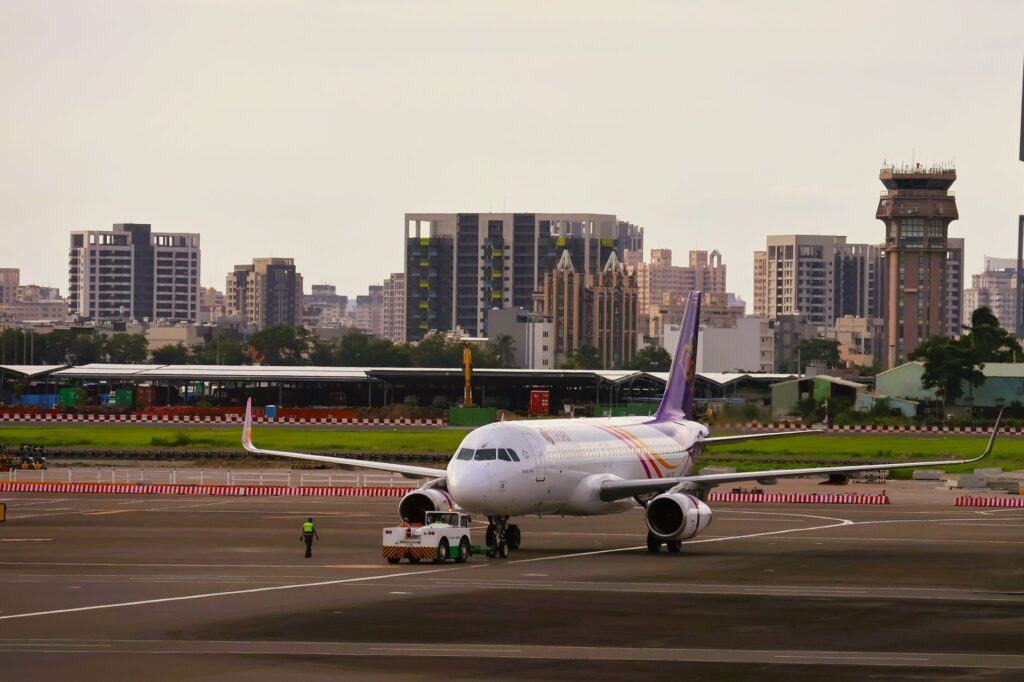

The discourse surrounding potential direct aviation routes connecting India and Taiwan has drawn significant diplomatic attention. Government representatives have addressed queries regarding the feasibility of establishing non-stop commercial flight paths between the two regions, signaling an open approach to future connectivity.
Understanding the Regional Aviation Context
The discussion surrounding cross-border travel routes often involves complex regional dynamics and airspace regulations. As nations navigate diplomatic frameworks, civil aviation authorities continuously evaluate the viability of expanding international networks to accommodate growing passenger demand and economic ties.
Official Stance on Future Routes
When questioned by media personnel regarding the implementation of direct air services, a spokesperson for the Ministry of External Affairs adopted a pragmatic viewpoint. The representative simply noted that if such services are established, carriers will operate them, reflecting a straightforward perspective on market-driven aviation development.
Broader Diplomatic Implications
Diplomatic relations and transportation agreements require careful balancing of international policies and economic interests. While neighboring countries may enforce specific airspace restrictions based on their own geopolitical stances, sovereign nations retain the prerogative to negotiate and establish civil aviation links in accordance with international norms.
Looking Ahead for Travelers
For business travelers, tourists, and the diaspora, the prospect of non-stop travel routes represents a major convenience. Although various regulatory and logistical challenges must be addressed before any official schedule is announced, the overarching official position suggests that the concept remains entirely feasible should airlines decide to pursue these commercial opportunities.