
Indian Stock Market Faces Sudden Downturn
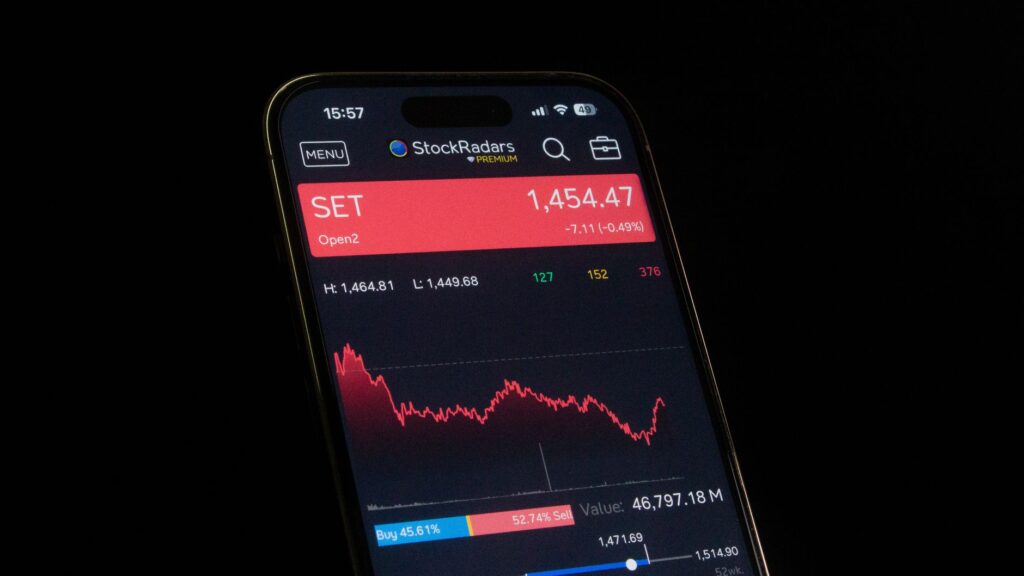
Trading sessions in India recently experienced a sharp correction as major equity benchmarks suffered significant losses. Investors watched nervously as the Sensex dropped more than 760 points during morning trade. Concurrently, the Nifty 50 index breached key support levels, slipping below the crucial threshold of 22,600. Market participants rushed to reassess their portfolios as selling pressure swept across multiple sectors, dampening the recent bullish sentiment.
Escalating Geopolitical Tensions
A primary catalyst for the sudden market retreat stems from intensifying global instability. Geopolitical conflicts have heightened anxiety across international financial centers, prompting foreign institutional investors to adopt a risk-off strategy. When global uncertainties rise, emerging markets frequently experience capital outflows as institutional money moves toward safe-haven assets. This macroeconomic shift has created immediate headwinds for domestic equities.
Surging Global Crude Oil Prices
Compounding the geopolitical worries, international crude oil prices have experienced a notable upward spike. India relies heavily on energy imports to meet domestic demand. Consequently, higher petroleum costs directly threaten corporate profit margins, elevate domestic inflation expectations, and widen the current account deficit. Energy-intensive industries faced immediate selling as analysts warned that sustained high oil prices could disrupt broader economic growth.
Technology Sector Underperforms
Major technology firms bore the brunt of the market sell-off. Information technology stocks faced heavy liquidation during the trading hours, dragging down the aggregate market capitalization of exchange-listed companies. Because the technology sector holds a heavy weightage in benchmark indices, any weakness in software exporters quickly translates into broader index declines. Investors expressed caution regarding international spending trends and currency fluctuations affecting these major tech enterprises.
Navigating Volatility in Domestic Equities
Market experts advise investors to maintain a calm perspective during periods of heightened volatility. While rapid index drops cause immediate concern, corrections are a standard part of market cycles driven by external shocks. Long-term participants often use such dips to accumulate fundamentally strong assets at more attractive valuations. Monitoring international developments, crude trends, and upcoming corporate earnings will remain essential for gauging the next directional move in local equities.