Political movements around the world often rely on international solidarity and shared ideological goals to build momentum and maintain influence. In recent times, the broader international conservative ecosystem has encountered significant structural hurdles. Recent events in nations such as Israel and Brazil have added complex new dimensions to these existing challenges, forcing strategists to rethink traditional alliances and public messaging approaches. Understanding these dynamics requires looking closely at how domestic political outcomes in specific countries ripple across borders and impact global political alignments. Ideological Alignment and International Networks Conservative factions across different continents frequently establish networks to share tactics, campaign strategies, and policy frameworks. This mutual support helps sustain campaigns and fosters a sense of a unified global movement. However, when prominent figures within these networks face intense domestic friction or legal scrutiny, the stability of the entire interconnected framework can be called into question. The situations unfolding in Israel and Brazil illustrate how local political crises can disrupt broader transnational narratives. Analysts observing these trends note that interdependence can become a vulnerability rather than a strength during periods of regional turbulence. The Israel Factor and Strategic Realities In Israel, shifting political landscapes and ongoing regional security debates have continually tested the resilience of established leadership. Conservative movements often point to Israeli governance models as examples of strong national defense and decisive leadership. Yet, internal political divisions and intense public debate over judicial and constitutional matters within the country complicate this idealized image. Observers outside the nation must navigate these complexities carefully, balancing historical support with the realities of active domestic dissent. The polarization witnessed in Israeli society serves as a reminder that idealized political symbols are often subject to the same internal pressures as any other democratic state. Brazil and the Shift in South American Dynamics Meanwhile, the political trajectory in Brazil has provided another major test for the international right. Following the tenure and subsequent legal challenges of former leader Jair Bolsonaro, the conservative base in Latin America largest nation has had to recalibrate its approach. The absence of a unifying central figure in power has led to fragmentation within the movement. For international allies who once viewed Brazil as a cornerstone of South American conservatism, this shift represents a strategic setback. Rebuilding influence in the region requires adapting to a changed political reality where grassroots mobilization and local governance take precedence over executive dominance. Implications for Future Conservative Strategy These combined developments in the Middle East and South America suggest that the international right must evolve to remain influential. Relying heavily on charismatic personalities or rigid ideological formulas may no longer suffice in an increasingly unpredictable global environment. Strategists are now tasked with addressing local grievances and economic concerns directly, rather than relying solely on cross-border solidarity. As voters worldwide demand practical solutions to everyday problems, political movements of all stripes must demonstrate adaptability and resilience. The challenges emerging from Israel and Brazil are not isolated incidents; they are indicators of a broader transition period for conservative politics globally, requiring careful reassessment and strategic renewal.
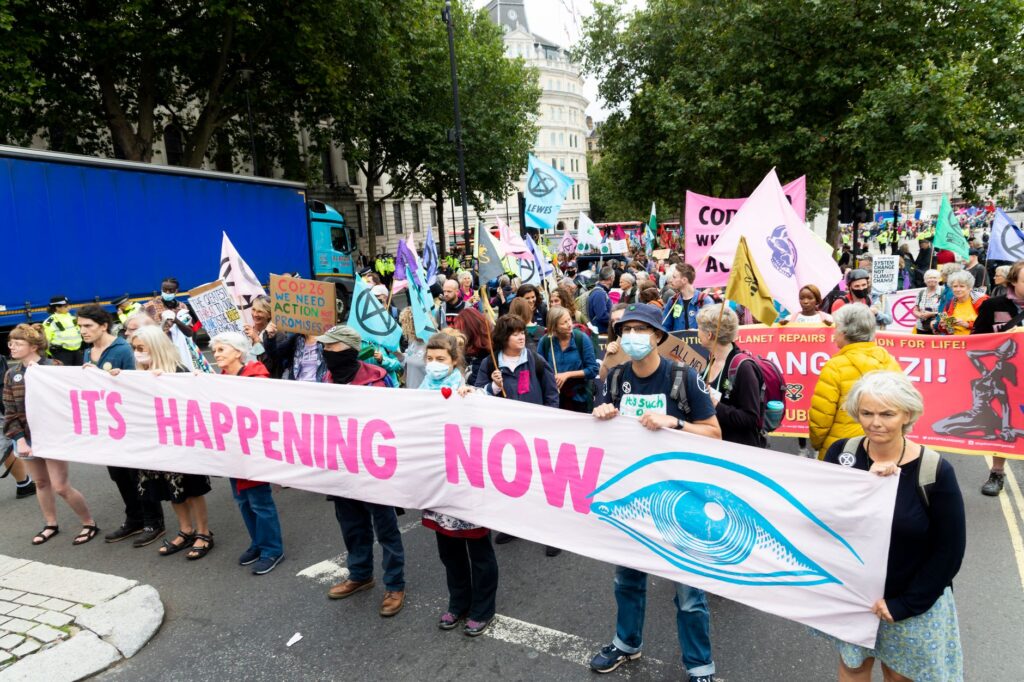
Photo by Centre for Ageing Better on Pexels
Posted inInternational
The Global Right Faces New Challenges Following Recent Political Shifts in Israel and Brazil
Posted by
 No Comments