
Background On Modern Military Mortuary Affairs
Recent decades of American military engagement across Iraq and Afghanistan established a distinct operational pattern regarding fallen service members. Rather than establishing large temporary gravesites in active combat zones, the United States armed forces consistently relied on rapid air evacuation protocols. Deceased personnel were quickly transported back to the American mainland, prioritizing prompt repatriation to their grieving families and standard domestic mortuary procedures.
Shifting Strategic Realities In Modern Warfare
Strategic military planners are now evaluating the sustainability of this repatriation model in the context of potential large-scale conflicts against highly capable adversaries. Escalating geopolitical friction involving Iran has prompted military leadership to reassess logistics under contested airspace. In a widespread regional war, aerial evacuation routes might face severe disruption, denial, or overwhelming volume, necessitating alternative methods for handling casualties within the theater of operations.
Reviving Historical Contingency Protocols
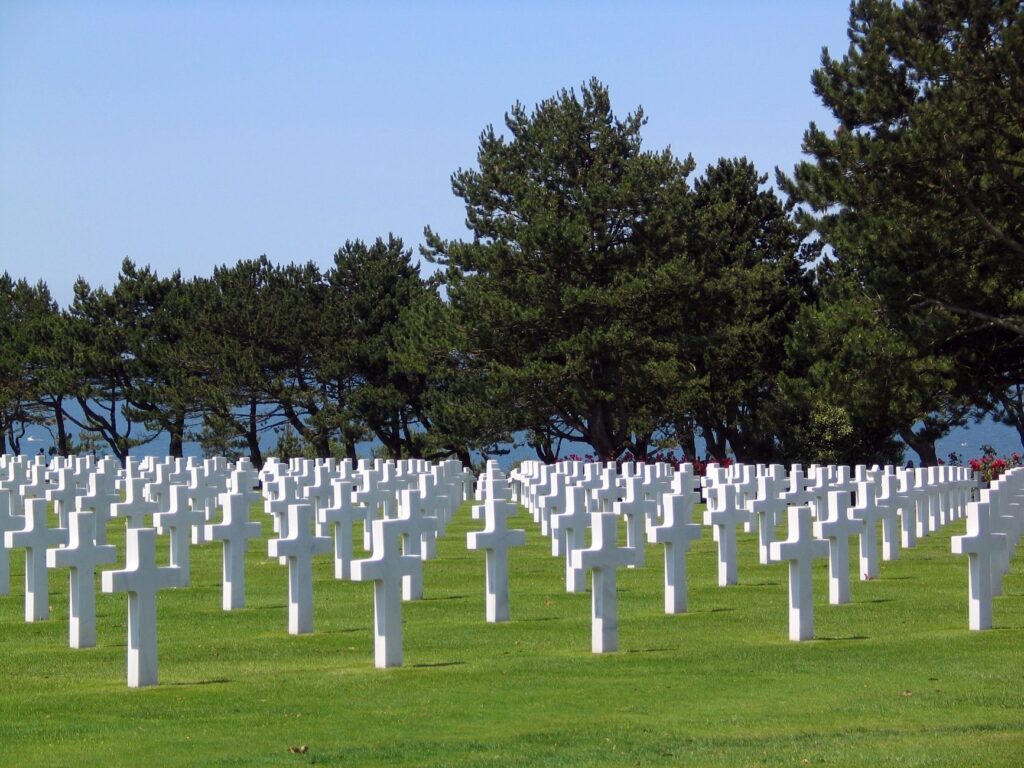
To prepare for scenarios where immediate repatriation becomes impossible, elements within the defense apparatus have resumed training for mass burial procedures. This practice revives older doctrines that have largely remained dormant since major twentieth-century conflicts. Training exercises focus on the systematic identification, documentation, and temporary interment of fallen personnel when traditional logistical lifelines are severely compromised.
Logistical Challenges Of Mass Interments
Executing mass burials requires meticulous planning to ensure adherence to international humanitarian standards and proper military protocols. Units tasked with mortuary affairs must coordinate the collection of biometric data, personal effects, and precise location mapping to facilitate eventual disinterment and positive identification once conditions permit. These preparations underscore the grim calculus defense officials must undertake when modeling high-intensity interstate warfare.
Implications For Defense Readiness
The resumption of these specialized drills highlights a sobering acknowledgment of changing global threat environments. While diplomatic efforts remain the primary mechanism for resolving disputes in the Middle East, military readiness demands preparation for worst-case outcomes. By reviewing and practicing mass burial operations, the armed forces aim to ensure that fallen personnel are treated with dignity and honor, regardless of the severe logistical constraints imposed by a potential conflict with Iran.