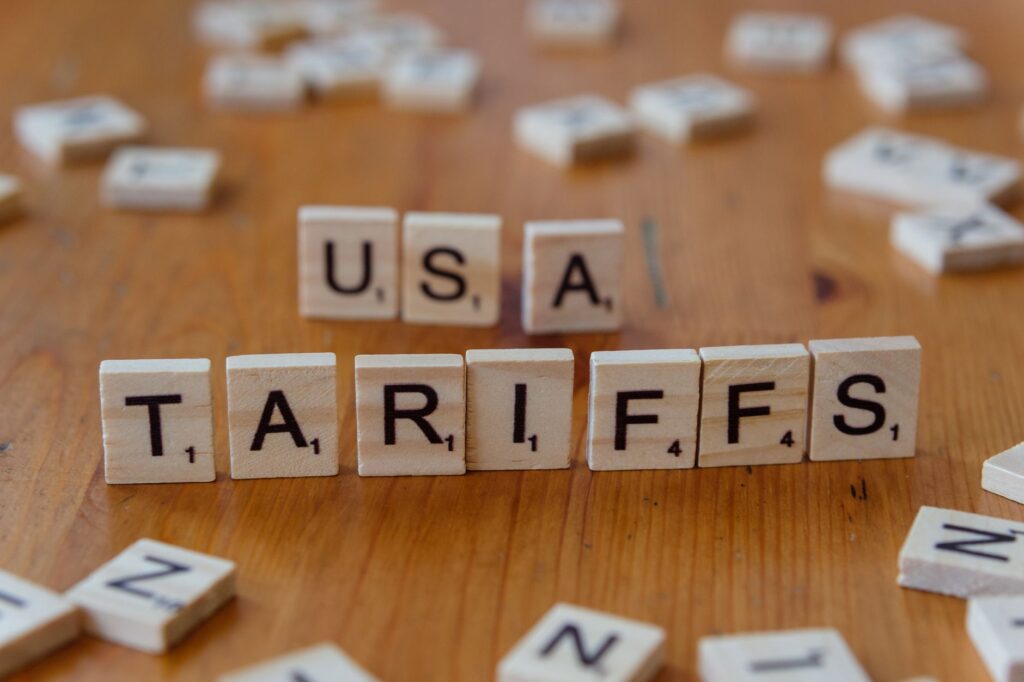

The future of trade relations between Washington and New Delhi often triggers intense speculation among market analysts and business leaders. Political shifts inside the United States are frequently viewed as potential catalysts for sweeping policy changes, particularly regarding import duties on Indian merchandise. However, economic research suggests that upcoming legislative cycles may have a surprisingly limited impact on existing trade restrictions.
Executive Authority Over Trade
At the heart of the matter lies the division of constitutional powers within the American government. Recent analysis from financial institutions indicates that the tariffs currently affecting Indian commodities depend primarily on authorities vested directly in the office of the President. Because these measures are enacted through executive powers, they typically do not require congressional approval to remain in effect.
This structural reality means that shifts in the legislative majority following midterm elections may not immediately alter the trajectory of bilateral commerce. While lawmakers hold significant influence over broader budgetary and legislative frameworks, the specific levers used to impose and adjust tariffs remain largely under executive administration control.
Implications for Bilateral Commerce
For exporters and manufacturers navigating the global supply chain, understanding this regulatory framework is crucial. Anticipating a sudden dismantling of trade barriers due to political turnover can lead to miscalculated business strategies. Because the executive branch retains wide latitude in enforcing trade defenses and national security tariffs, policy continuity is often the most probable outcome regardless of electoral results.
Economic stakeholders must therefore focus on long-term administrative priorities rather than short-term legislative fluctuations. Trade negotiators on both sides continue to address market access, regulatory compliance, and strategic alignment through established diplomatic and commercial channels.
Looking Ahead at Economic Strategy
As global economic dynamics evolve, the relationship between the two nations remains complex. While political campaigns often feature fierce debates over international trade and protectionist measures, the mechanics of governance suggest a steady course. Stakeholders across various industries are advised to monitor executive directives and agency-level decisions rather than legislative election outcomes alone when assessing future market conditions.