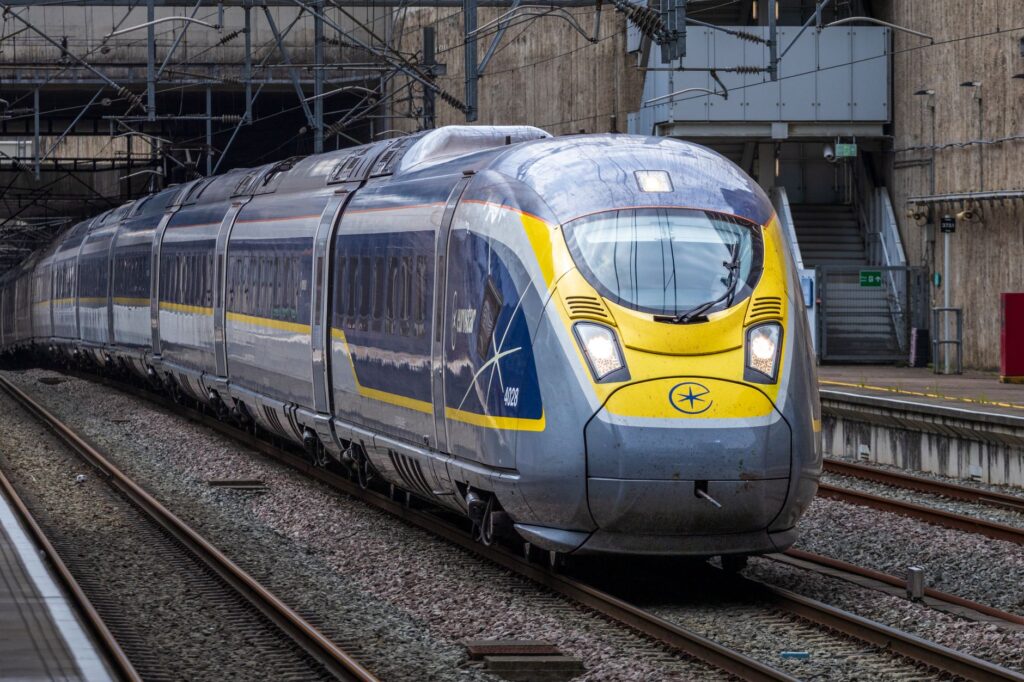

Introduction to the Northern High Speed Rail Corridor
India is actively planning a massive transportation upgrade that promises to transform passenger mobility across the northern part of the country. The proposed Northern High Speed Rail Corridor is designed to connect the national capital with several major urban centers in Uttar Pradesh and Bihar.
By introducing advanced bullet train technology, this ambitious infrastructure project aims to dramatically reduce transit times and streamline regional commerce. The initiative reflects a broader national strategy to modernize public transit and support sustainable economic growth through high-speed connectivity.
Cutting Travel Times Across Major Northern Cities
Under the current proposals, the high-speed network will link Delhi with key cultural, political, and commercial hubs. Passengers will no longer need to endure long hours on conventional trains or congested highways when traveling between these major destinations.
The proposed schedule outlines a remarkable reduction in travel durations. For instance, the journey from Delhi to Agra is projected to take a mere 59 minutes, bringing the iconic tourist city within an hour of the capital.
Furthermore, travelers heading to Lucknow can expect the trip to take approximately two hours and twelve minutes. This substantial time saving will likely encourage more frequent business and leisure travel between the two cities.
The Broader Vision for Regional Integration
The ultimate goal of this grand rail plan is to shrink distances and bridge the gap between Delhi and distant economic centers further down the line.
While intermediate stops like Agra and Lucknow will experience unprecedented connectivity, the overarching vision extends even further. Plans indicate that the high-speed corridor will eventually facilitate a swift journey all the way to Varanasi and Patna.
When the entire route is operational, the total travel time between Delhi and Varanasi is anticipated to be cut down to approximately three and a half hours. This rapid transit capability will foster tighter economic integration and enhance regional mobility on a scale never seen before in the region.