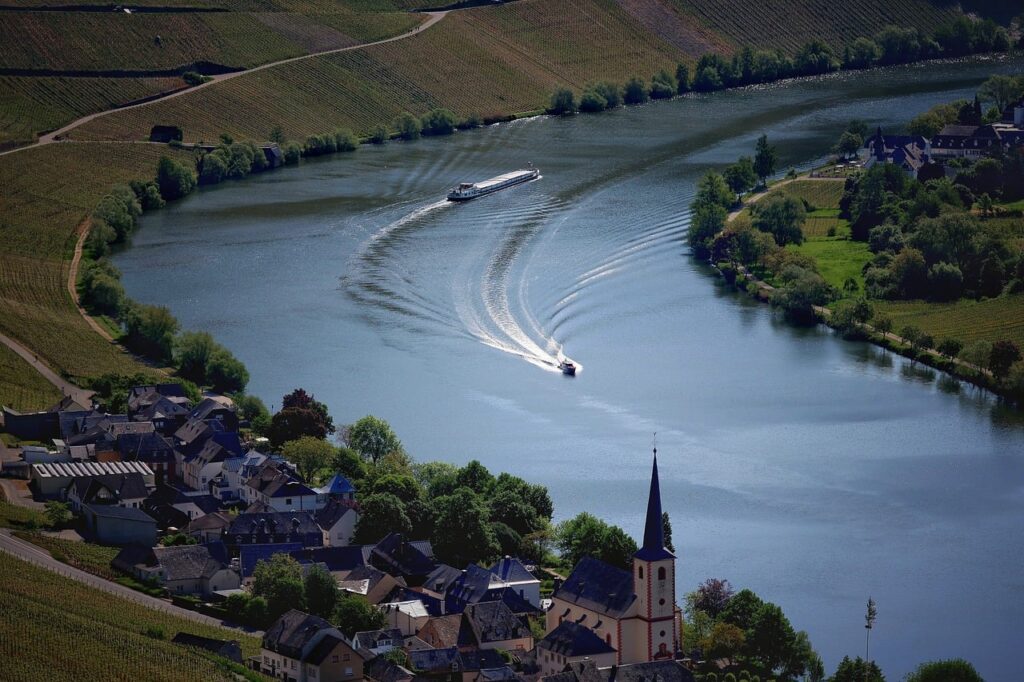

A Model for Sustainable Development
Mawlynnong, a small village nestled in the East Khasi Hills of Meghalaya, has emerged as a global benchmark for community-driven environmental stewardship. Since being dubbed the ‘Cleanest Village in Asia’ by Discover India magazine in 2003, the village has transformed its local economy by prioritizing eco-tourism and rigorous waste management practices.
The Roots of Transformation
For decades, Mawlynnong functioned as a traditional agrarian society before shifting toward a structured, community-led tourism model. The village implemented a strict ban on plastic, mandated regular community cleaning drives, and installed bamboo waste bins at every corner to maintain its pristine landscape.
The Mechanics of Community Governance
The success of the village relies on a collective governance structure that emphasizes individual responsibility. Every household contributes to the upkeep of public spaces, ensuring that cleanliness is not merely a municipal task but a cultural mandate. This grassroots approach has allowed the community to preserve its indigenous Khasi heritage while adapting to the demands of modern travelers.
Economic Impacts and Tourism Growth
Data from the Meghalaya Department of Tourism indicates a steady rise in domestic and international footfall, which has bolstered local employment opportunities. Residents have transitioned from subsistence farming to running homestays, guiding tours, and selling locally sourced organic produce. This diversification provides a buffer against the volatility of agricultural cycles, offering a more stable economic outlook for the youth of the region.
Expert Perspectives on Rural Sustainability
Development experts note that the Mawlynnong model demonstrates how rural areas can leverage their natural assets without succumbing to industrialization. According to recent sustainability reports, the village maintains a carbon-neutral footprint through the use of natural building materials and traditional composting methods. By integrating conservation with commerce, the community has successfully avoided the pitfalls of over-tourism that have plagued more commercialized destinations.
Broader Implications for the Region
The success of this initiative has prompted other villages across Northeast India to adopt similar community-led protocols. Policy analysts suggest that this shift could serve as a template for rural development across the country, particularly in regions where cultural identity and biodiversity are inextricably linked. As infrastructure improves, the challenge will lie in scaling these localized successes without diluting the community ownership that made them possible in the first place.
Future Trends in Eco-Tourism
Looking ahead, the focus is shifting toward digital infrastructure and sustainable transportation to connect these remote villages with urban hubs. Observers are watching for signs of how these communities will balance the influx of technology with their traditional values. The next decade will likely determine whether this model can withstand the pressures of rapid globalization or if it will require new regulatory frameworks to protect the village’s unique social fabric.