
A Historic Gathering of the Indian Diaspora
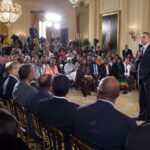
Prime Minister Narendra Modi addressed a capacity crowd of tens of thousands of members of the Indian diaspora at Melbourne’s Marvel Stadium on Tuesday, marking one of the largest political gatherings in Australian history. The event, which served as a centerpiece of the Prime Minister’s diplomatic visit, highlighted the deepening bilateral ties between India and Australia while celebrating the cultural and economic contributions of the Indian community abroad.
Context of the Bilateral Relationship
The event follows a period of accelerated cooperation between New Delhi and Canberra, particularly in the sectors of trade, defense, and education. Since the signing of the Australia-India Economic Cooperation and Trade Agreement (ECTA) in 2022, both nations have sought to diversify supply chains and strengthen regional security frameworks in the Indo-Pacific.
Global Humanitarianism and ‘Make in India’
During his address, Prime Minister Modi emphasized India’s evolving global role, citing initiatives such as ‘Operation Sindoor’ and the ‘Make in India’ campaign as pillars of the nation’s growth. He noted that India’s emergence as a global economic powerhouse is intrinsically linked to its commitment to humanitarian aid and self-reliance in manufacturing.
The Prime Minister underscored the importance of the Indian diaspora as a ‘living bridge’ between the two democracies. He articulated that the success of Indians in Australia is a testament to the shared values of hard work and democratic integration that define both nations.
Expert Perspectives on Strategic Ties
Geopolitical analysts suggest that the scale of the Marvel Stadium event serves a dual purpose: reinforcing soft power and signaling a unified front in the face of regional geopolitical shifts. By engaging directly with the diaspora, the Indian government effectively leverages the influence of expatriate communities to solidify diplomatic and commercial partnerships.
Data from the Australian Bureau of Statistics indicates that the Indian-born population in Australia has grown significantly over the last decade, becoming one of the country’s largest and most highly skilled migrant groups. This demographic shift has necessitated a more robust diplomatic engagement strategy, which the Melbourne rally successfully demonstrated.
Future Implications and Looking Ahead
The success of the Melbourne event signals a shift toward more personalized, community-centric diplomacy in international relations. As both nations move toward finalizing a Comprehensive Economic Cooperation Agreement (CECA), observers should monitor how this public display of unity translates into formal policy outcomes in the technology and renewable energy sectors.
Looking ahead, the focus will likely shift to how these strengthened ties impact migration policies and professional exchange programs. Analysts expect further announcements regarding the mutual recognition of educational qualifications and enhanced visa pathways for skilled professionals as both governments look to capitalize on the momentum generated by the Prime Minister’s visit.