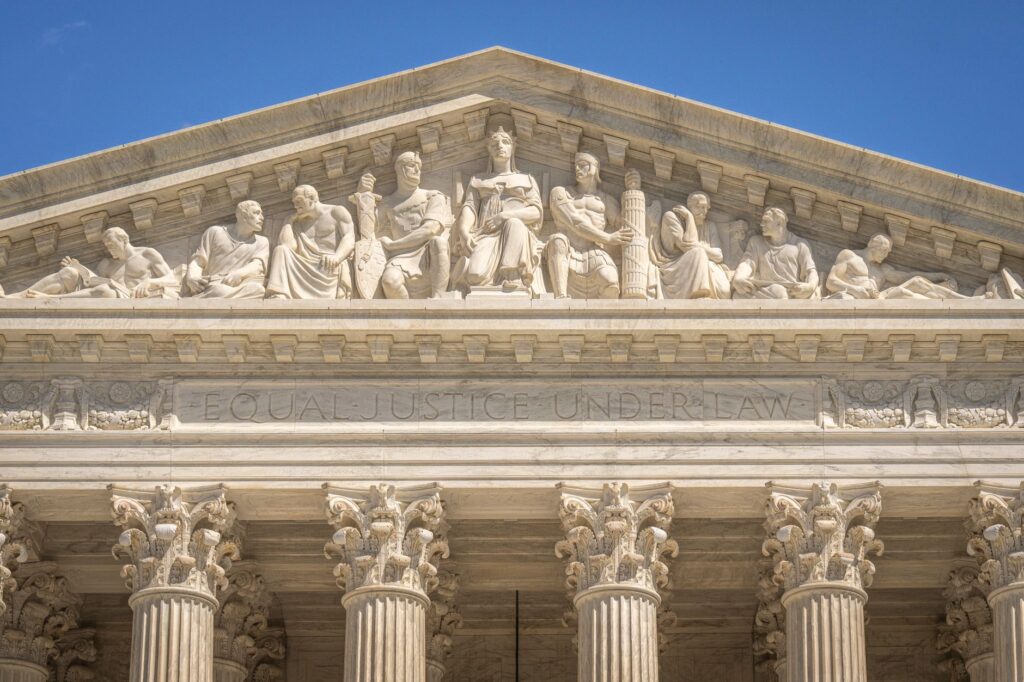

Understanding the Judicial Directive on Sentence Suspensions
The highest judicial authority has issued a stern warning to lower judicial bodies regarding the premature release of individuals convicted of serious crimes. According to the directive, courts must refrain from suspending sentences solely on the grounds that pending appeals are unlikely to be reviewed promptly. The bench emphasized that systemic delays in the administration of justice should never serve as justification for granting freedom to those found guilty of grave offenses.
The Threat to Public Safety and Civil Society
When serious offenders are released back into communities because the judicial apparatus cannot process appeals in a timely manner, the consequences for the public can be severe. The top court pointed out that releasing dangerous individuals places the well-being and security of the community at immediate risk. Such practices expose the underlying vulnerabilities and structural weaknesses of the justice system, shifting the burden of administrative backlogs onto innocent citizens who rely on the state for protection.
Balancing Speedy Trials with Community Protection
While the constitutional right to a speedy appeal remains a fundamental pillar of the legal framework, the judiciary must balance this principle against the imperative of public safety. The ruling clarifies that procedural delays, unfortunate as they may be, cannot outweigh the necessity of keeping dangerous criminals incarcerated. The administration of justice requires a steadfast commitment to ensuring that serious verdicts are upheld and that societal safety is not compromised by institutional limitations.
Moving Forward with Judicial Reform
Addressing the root cause of these concerns requires systemic improvements rather than temporary shortcuts that jeopardize public security. Instead of releasing convicts to manage mounting dockets, the judicial system must focus on enhancing operational efficiency and accelerating appeal processing times. By tackling the backlog directly, the courts can uphold the rule of law while maintaining the trust and safety of the communities they serve.