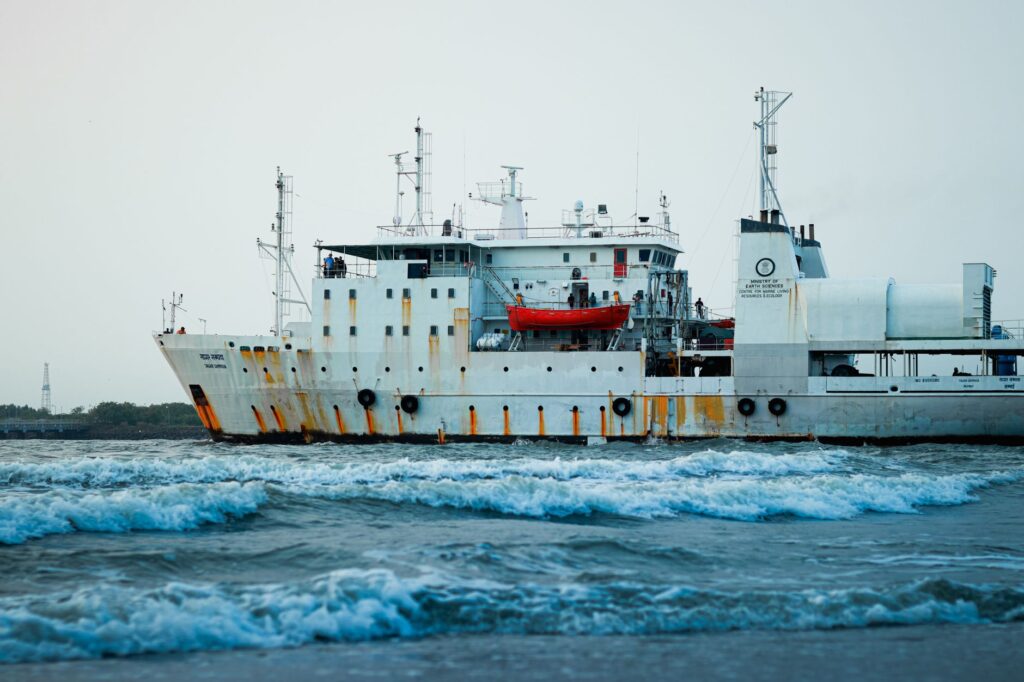

India has strongly condemned a violent attack on a commercial vessel carrying an Indian crew off the coast of Oman, an incident that has left ten crew members rescued and one sailor missing. The Indian Ministry of External Affairs, in coordination with regional maritime security forces, immediately initiated emergency search-and-rescue operations to locate the missing mariner. The attack, which took place in the highly sensitive waters of the Arabian Sea, underscores the escalating security threats confronting merchant shipping in Middle Eastern corridors.
Escalating Maritime Tensions in the Arabian Sea
The waters off the coast of Oman and the wider Arabian Sea serve as vital arteries for global energy and cargo transit, connecting Asia with Europe and the Americas. In recent months, this maritime corridor has seen a dramatic spike in hostile activities, ranging from drone strikes and piracy to missile attacks on commercial vessels. These disruptions have forced international shipping conglomerates to reconsider their transit routes, often choosing longer and more expensive journeys around the African continent.
According to maritime risk analysts, the geopolitical fallout from ongoing conflicts in the Middle East has spilled directly into these shipping lanes. Non-state actors and regional militant groups have increasingly targeted commercial vessels, using asymmetric warfare tactics that challenge traditional naval defenses. This latest incident highlights the vulnerability of civilian seafarers who find themselves caught in the crosshairs of regional geopolitical rivalries.
Details of the Attack and Rescue Efforts
The targeted vessel, whose identity remains protected for ongoing security reasons, was transiting international waters when it was intercepted and attacked. Emergency distress signals triggered a rapid response from regional coalition forces and nearby naval assets patrolling the area. Rescuers successfully evacuated ten Indian nationals from the damaged vessel, administering medical aid and transferring them to a secure port.
Despite the successful rescue of the majority of the crew, one Indian sailor remains unaccounted for. The Indian Navy, which has significantly increased its deployment in the Indian Ocean Region, has dispatched maritime patrol aircraft and guided-missile destroyers to assist in the search. Diplomatic channels between New Delhi and Muscat remain active as both nations coordinate tactical assets to scan the vast search area.
India’s Growing Role as a Maritime Security Provider
India’s Ministry of External Affairs issued a stern statement condemning the attack, calling for strict adherence to international maritime law and freedom of navigation. “We strongly condemn this cowardly act of violence against innocent seafarers,” the official spokesperson stated during a press briefing. “India remains committed to ensuring the safety of its citizens abroad and will work tirelessly with international partners to secure global shipping lanes.”
This response aligns with New Delhi’s self-designated role as a “preferred security partner” and “first responder” in the Indian Ocean Region. In recent years, the Indian Navy has established a robust anti-piracy and maritime security posture, regularly escorting merchant vessels and conducting boarding operations. India’s Information Fusion Centre for the Indian Ocean Region (IFC-IOR) has also stepped up real-time monitoring to share actionable intelligence with partner nations.
Global Shipping Industry Faces Rising Costs
The attack has sent shockwaves through the global shipping industry, which is already grappling with soaring insurance premiums and operational challenges. Data from the International Maritime Bureau (IMB) indicates a sharp rise in maritime security threats in the northwest Indian Ocean over the past year. Shipowners are facing unprecedented pressure to implement enhanced security measures, including the employment of armed guards on board.
Furthermore, the persistent threat of attacks has forced many shipping lines to reroute vessels around the Cape of Good Hope. This detour adds up to 14 days to transit times and significantly increases fuel consumption, contributing to global supply chain delays and rising inflation. For nations like India, which relies heavily on maritime trade for its energy imports and manufacturing exports, securing these lanes is a national priority.
Security Outlook and Strategic Implications
Moving forward, maritime security experts anticipate a more coordinated international response to safeguard commercial shipping in the Arabian Sea. The United States, India, and European allies are likely to increase joint naval patrols and intelligence-sharing mechanisms. Analysts suggest that unilateral naval actions may no longer suffice, necessitating a broader diplomatic framework to hold hostile actors accountable.
Observers will closely watch the outcome of the ongoing search-and-rescue operation and any subsequent retaliatory or defensive measures taken by regional coalitions. The shipping industry will also monitor whether this incident prompts a further spike in war-risk insurance premiums for vessels transiting the Gulf of Oman. As geopolitical tensions show no signs of abating, the safety of civilian seafarers will remain a critical focal point for global trade stability.