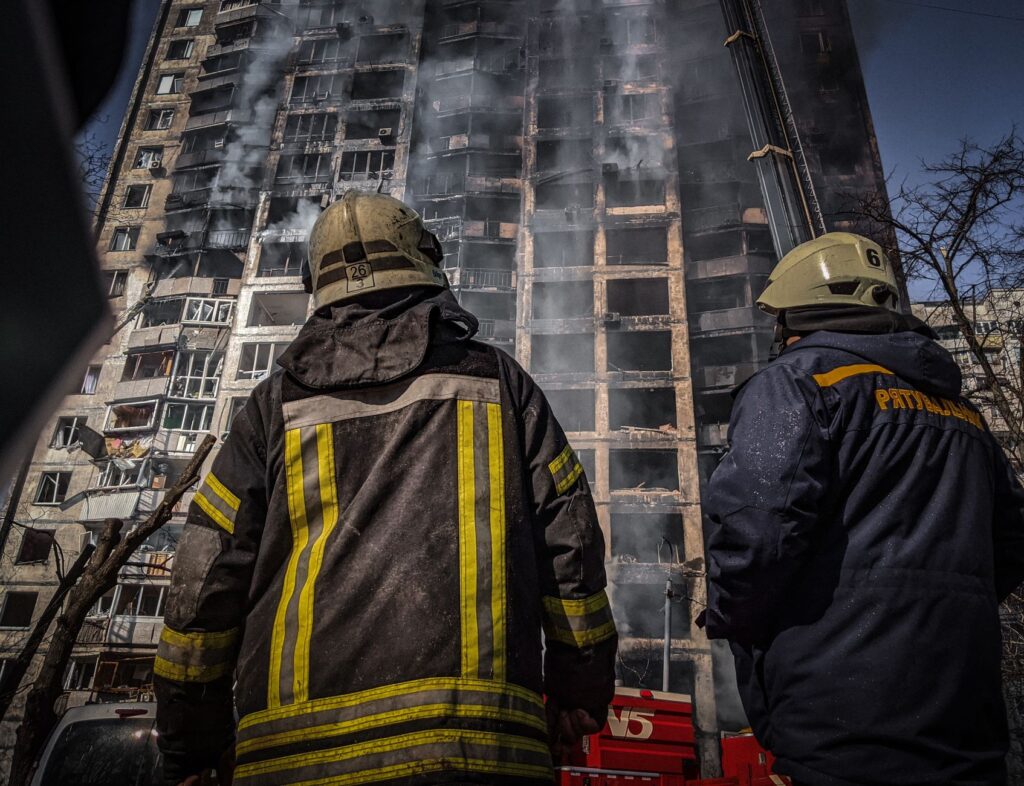

A devastating fire swept through the Rong Beer Na Lat Phrao pub in Bangkok, Thailand, late Thursday night, killing at least 27 people and injuring dozens more as toxic smoke trapped patrons inside the crowded venue. Emergency services struggled to reach victims, many of whom retreated to the building’s restrooms in a desperate bid to escape the rapidly spreading flames. Local authorities have launched a comprehensive investigation into the cause of the disaster and the venue’s safety compliance, marking one of the deadliest entertainment venue fires in the country’s recent history.
Context: A Night of Celebration Turns to Tragedy
The Rong Beer Na Lat Phrao pub, a popular nightlife destination in Bangkok’s bustling Lat Phrao district, was operating at high capacity when the fire broke out. Witnesses reported that the venue, known for live music and large weekend crowds, quickly filled with thick, suffocating black smoke within minutes of the initial ignition. The rapid spread of the fire left patrons with very little time to locate exits in the dark, chaotic environment.
Historically, Southeast Asian nightlife venues have faced intense scrutiny over safety regulations, emergency exit accessibility, and the use of flammable interior materials. This incident draws immediate, painful comparisons to past regional tragedies, such as the Santika Club fire in 2009, raising urgent questions about the efficacy of building code enforcement in high-occupancy entertainment spaces.
How the Disaster Unfolded
According to eyewitness accounts and survivor testimonies, the fire began near the stage area during a live performance before spreading rapidly across the ceiling. Witnesses noted that the ceiling was lined with highly flammable soundproofing foam, which ignited instantly and began raining burning debris onto the crowd below. Within seconds, the venue’s electrical system failed, plunging the crowded, smoke-filled space into complete darkness and sparking a frantic stampede toward the main exit.
As the primary exit became bottlenecked with fleeing patrons, a significant number of people sought refuge in the pub’s bathrooms, mistakenly believing the concrete walls would offer protection from the heat. Firefighters later discovered the majority of the 27 victims inside these confined spaces, where they had quickly succumbed to carbon monoxide poisoning and smoke inhalation.
First responders faced severe operational hurdles upon arrival. Narrow access roads leading to the venue, compounded by illegally parked vehicles, delayed the deployment of fire engines. Furthermore, rescue teams reported that several emergency exits were locked from the outside or blocked by storage boxes, severely hindering efforts to enter the building and extract survivors.
Expert Perspectives and Safety Failures
Structural engineers and safety experts point to systemic failures that contributed directly to the high death toll. Preliminary assessments by forensic investigators suggest that the building lacked adequate fire suppression systems, such as overhead sprinklers, and failed to maintain clearly marked, illuminated emergency exit signs.
“The rapid buildup of toxic smoke is almost always the primary killer in these indoor environments, rather than the flames themselves,” said Dr. Anont Settha, a fire safety specialist based in Bangkok. “When cheap polyurethane soundproofing materials ignite, they release highly toxic gases that can render a person unconscious within three to four breaths.”
Data from regional safety coalitions indicate that over 40% of entertainment venues in major metropolitan areas operate with outdated fire safety certificates or have undergone unauthorized structural modifications. Experts argue that without regular, unannounced inspections and severe penalties for non-compliance, similar tragedies remain an ongoing risk.
Implications for the Nightlife Industry and Future Regulation
The tragedy has prompted immediate action from government officials, with Bangkok’s metropolitan administration ordering an urgent safety audit of all entertainment venues across the capital. Investigators are currently questioning the pub’s owners and management regarding their licensing, structural modifications, and adherence to safety protocols.
Industry analysts expect this disaster to catalyze a major regulatory overhaul, potentially leading to mandatory installations of flame-retardant materials, automated sprinkler systems, and more rigorous capacity limits nationwide. Venue owners found in violation of building codes during the ongoing city-wide sweep face immediate closure and severe criminal charges.
Moving forward, forensic teams are focusing on analyzing the building’s electrical wiring and the stage equipment to determine the exact source of the spark. The public and safety advocates are now watching to see if this disaster will finally force a permanent shift in how safety regulations are enforced in Thailand’s tourism and nightlife sectors, or if the momentum for reform will fade once the immediate shock of the tragedy subsides.