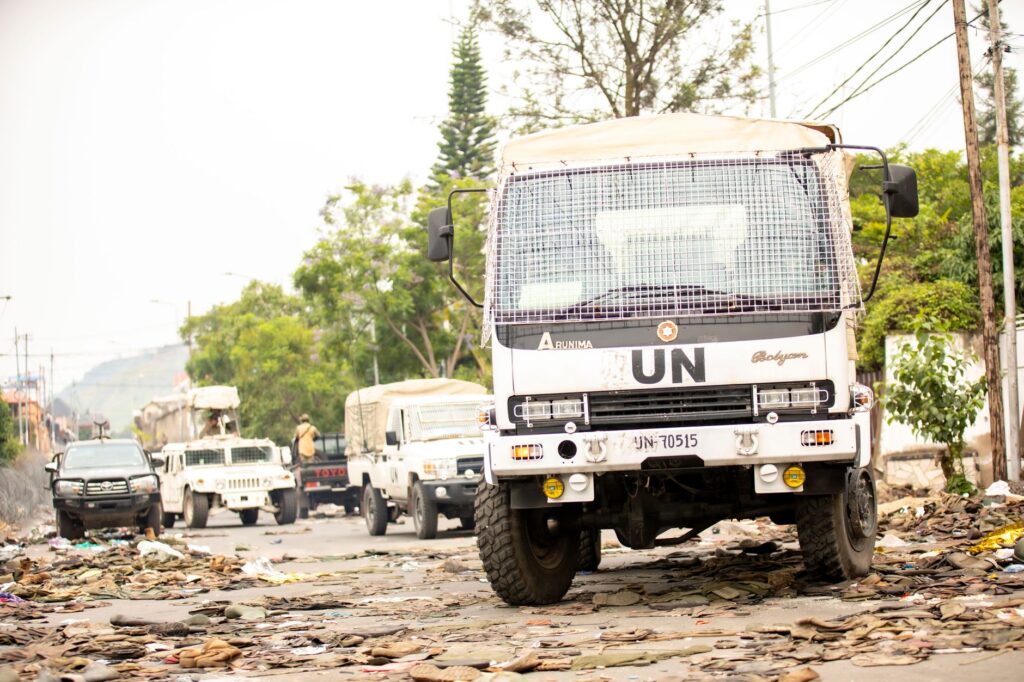

Background of the Western Sahara Mission
The United Nations peacekeeping mission in Western Sahara has officially concluded its operations after a span of thirty-five years. This development comes as a direct result of an administrative stalemate between the United States and Russia at the United Nations level. For over three decades, international observers maintained a presence in the region to monitor the situation and facilitate diplomatic efforts.
The Diplomatic Impasse
International relations often face hurdles when major global powers hold conflicting viewpoints on territorial disputes and security mandates. In this specific instance, negotiations at the UN Security Council hit a definitive wall. The divergence in policy and strategy between Washington and Moscow prevented the necessary consensus required to renew the operational mandate for the peacekeeping forces.
Implications for Regional Dynamics
With the formal conclusion of the long-standing mission, the diplomatic landscape surrounding the territory enters a new phase. Stakeholders across the region are evaluating the potential consequences of operating without the oversight of the international peacekeeping apparatus that has been in place for generations. Regional actors continue to assess how this shift will influence future diplomatic engagements and administrative control.
Moving Forward
Diplomatic channels remain open as international bodies consider alternative frameworks for addressing the ongoing status of the territory. The conclusion of the thirty-five-year mission marks a significant turning point in modern diplomatic history concerning North Africa and the broader international community.