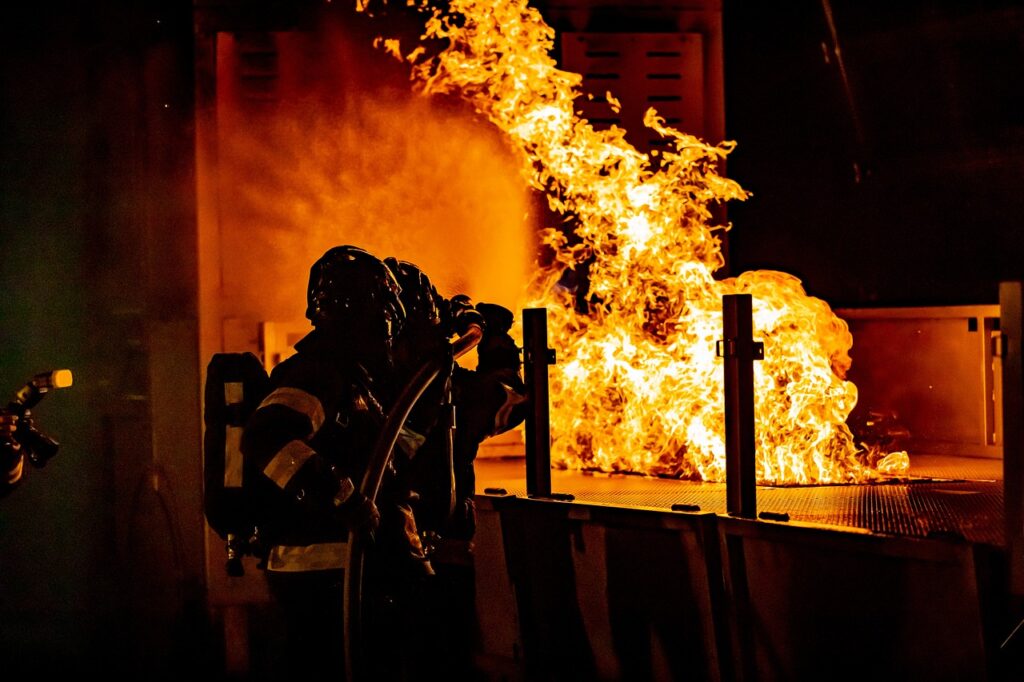

A devastating fire swept through a crowded nightlife venue in Bangkok late Thursday night, killing at least 27 people and injuring dozens more as patrons struggled to escape through blocked emergency exits. The blaze erupted shortly before midnight at the popular establishment, quickly trapping hundreds of partygoers inside as thick black smoke filled the building. Emergency services arrived within minutes, but locked rear exits and highly flammable acoustic foam accelerated the disaster, marking one of the deadliest entertainment venue fires in the country’s recent history.
Tragedy in the Capital
Bangkok’s nightlife district is globally renowned, drawing thousands of international tourists and local residents every weekend. However, the tragedy has cast a harsh light on the enforcement of safety regulations and building codes in the city’s densely populated entertainment zones. This incident mirrors previous disasters in Thailand, most notably the 2009 Santika Club fire in Bangkok, which claimed 66 lives, and the 2022 Mountain B pub fire in Chonburi province, which killed 26 people.
Despite repeated promises of reform following those past tragedies, safety advocates argue that systemic loopholes and lax inspections continue to put lives at risk. The latest incident occurred at a venue that had recently undergone renovations, raising questions about whether the new interior materials met national safety standards.
A Night of Panic and Blocked Escapes
Eyewitnesses described a scene of sudden chaos inside the packed venue. According to survivors, the atmosphere shifted from celebration to terror in a matter of seconds. “We heard a loud explosion near the stage, and then flames spread across the ceiling almost instantly,” said one survivor who escaped with minor burns. “People started screaming and running toward the front door, which was the only visible exit.”
As the crowd rushed for the main entrance, a severe bottleneck formed, leading to a stampede in the darkness. Survivors reported that the venue’s emergency lighting failed immediately after the power cut out, leaving patrons to navigate the toxic smoke in pitch-black conditions. Many attempted to find alternative exits at the rear of the building, only to find them chained shut or blocked by heavy equipment and beer crates.
First responders faced immense challenges upon arrival. Firefighters battled intense heat and thick, chemical-laden smoke for over two hours before bringing the inferno under control. Rescue workers later discovered the majority of the deceased clustered near the locked rear exits, where they had succumbed to smoke inhalation while trying to escape.
Systemic Safety Failures Under Scrutiny
Fire safety experts point to the use of cheap, non-flame-retardant polyurethane foam, used for soundproofing, as a primary accelerator of the fire. According to the National Fire Protection Association, synthetic materials in enclosed spaces produce highly toxic gases, including carbon monoxide and hydrogen cyanide, which can incapacitate a person within seconds.
“Locked emergency exits remain a recurring, preventable cause of mass casualties in nightlife venues worldwide,” said Dr. Anont Sangkaew, a structural safety consultant based in Bangkok. He explained that venue owners often lock secondary exits to prevent patrons from slipping out without paying or to control security at a single point of entry, directly violating national building codes. “This is not a failure of technology; it is a failure of compliance and oversight,” Sangkaew added.
Preliminary reports from the Bangkok Metropolitan Administration (BMA) indicate that the venue may have been operating significantly over its licensed capacity at the time of the incident. Investigators are also looking into whether the pub had the proper zoning permits to operate as an entertainment venue, as many establishments in the area operate under modified commercial licenses that bypass stricter safety audits.
Calls for Reform and Stricter Enforcement
In the immediate aftermath of the tragedy, Thai government officials announced a nationwide crackdown on non-compliant entertainment venues. The Ministry of Interior has ordered provincial governors to conduct urgent safety inspections of all pubs, clubs, and karaoke bars within their jurisdictions, focusing specifically on emergency exits, fire alarms, and interior materials.
For the regional hospitality industry, the disaster is expected to trigger a significant tightening of insurance requirements and operational licensing. Industry analysts predict that insurance underwriters will demand more rigorous, independent safety audits before issuing policies to high-capacity venues across Southeast Asia.
As forensic teams continue to analyze the debris to determine the exact spark that triggered the explosion, the public demand for accountability remains high. Observers and safety advocates are watching closely to see if the promised reforms will lead to permanent, institutional changes, or if the momentum will fade once the initial public outcry subsides. The outcome of the ongoing criminal investigation into the venue’s owners will serve as a critical test of the government’s commitment to public safety.