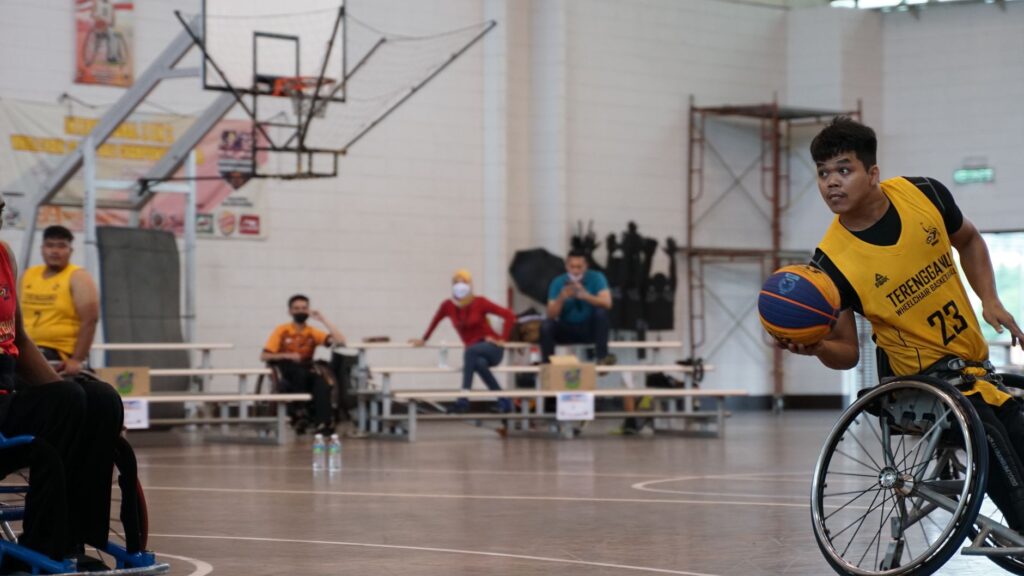

The remarkable achievement of securing one hundred fourteen medals, including thirty gold medals, marks a historic turning point for the nation. This record-breaking performance has naturally sparked widespread celebration and immense pride among sports enthusiasts nationwide. Yet, behind the glory of these unprecedented victories lies a deeper, more pressing inquiry that demands immediate attention. Observers and advocates are now asking whether this monumental success can serve as a genuine catalyst for mainstreaming adaptive athletics and dismantling systemic discrimination faced by exceptional competitors.
Understanding the Historical Context
For decades, athletes participating in adaptive sports operated on the fringes of the national consciousness. They faced severe shortages of funding, inadequate training facilities, and a general lack of societal recognition. The recent milestone represents years of relentless personal struggle, sacrifice, and determination by these individuals. They achieved greatness largely through sheer willpower despite facing profound structural disadvantages. Recognizing this context is vital to understanding why simply celebrating the final medal tally is fundamentally insufficient.
Challenging Deep-Seated Discrimination
Despite their extraordinary accomplishments, competitors with physical and intellectual impairments continue to encounter societal prejudice and institutional neglect. Mainstream sports receive the lion share of media coverage, corporate sponsorship, and public adoration. Meanwhile, adaptive disciplines struggle for basic visibility. True progress requires shifting public perception to view these individuals not as symbols of inspiration overcoming pity, but as elite professionals deserving of equal respect, compensation, and resources.
Building Sustainable Infrastructure
Achieving long-term success requires a complete overhaul of the current sports ecosystem. Training centers must become universally accessible, featuring specialized equipment and expert coaching staff tailored to diverse needs. Grassroots programs are essential to identify and nurture talent from a very early age, particularly in rural and underserved regions where accessibility is even more limited. Without robust infrastructure, relying solely on individual brilliance will not yield sustainable results for future generations.
Financial Security and Sponsorships
Financial stability remains a critical hurdle for many elite competitors. Unlike their mainstream counterparts, who often secure lucrative brand endorsements early in their careers, adaptive athletes frequently struggle to cover basic living and training expenses. Corporate entities and sports governing bodies must step forward with meaningful financial commitments. Providing secure employment opportunities, competitive prize money, and reliable sponsorship deals will allow these individuals to focus entirely on their athletic pursuits without economic anxiety.
Media Representation and Visibility
Media plays a powerful role in shaping cultural attitudes. Consistent and high-quality coverage of adaptive sporting events is non-negotiable for driving mainstream acceptance. When competitions are broadcasted during prime time with expert analysis and enthusiastic commentary, public interest naturally grows. Broadcasters must treat these events with the same level of journalistic seriousness and production value as any other major international sporting competition.
The Role of Policy Makers
Government intervention and visionary policy-making are indispensable for driving systemic change. Legislative frameworks must mandate accessibility standards across all public and private sports facilities. Furthermore, sports ministries need to allocate equitable budgets that reflect the needs of adaptive programs. Accountability measures should be established to ensure that funds reach the athletes directly and are utilized effectively to build lasting programs.
Moving Forward with Purpose
As the cheers from the recent victories begin to fade, the real work must commence. The extraordinary haul of medals should serve as a wake-up call rather than a temporary distraction. By addressing the root causes of discrimination, investing heavily in inclusive infrastructure, and ensuring financial security, the nation can transform this momentary triumph into an enduring legacy of equality and excellence in sports.