
Introduction to the Rare Sighting
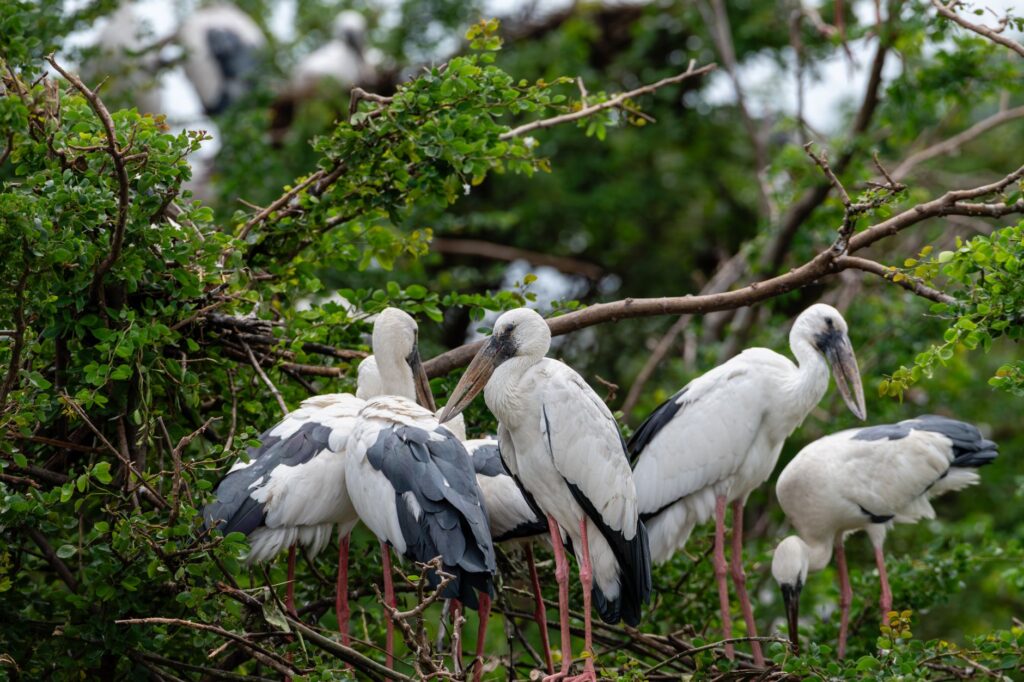
Wildlife enthusiasts and avian experts in the National Capital Region are celebrating a remarkable event following the arrival of an exceptionally rare visitor. A magnificent white stork has been spotted taking refuge at the Okhla bird sanctuary. This unusual presence has drawn significant attention from local observers who consider this avian appearance a major milestone for regional biodiversity.
Historical Context of the Species
According to experienced ornithologists and local birders, encounters with this specific wading bird are exceedingly uncommon in the area. Records indicate that sightings of this majestic species are few and far between. In fact, historical data compiled over the past thirty years reveals merely four documented instances of the bird appearing within the broader metropolitan vicinity. Prior to the current observation, the last confirmed record dates back to March 2019, when a lone individual was noticed near Jewar.
Significance for Local Conservation
The prolonged presence of the white stork at the Okhla sanctuary highlights the ecological importance of protected wetlands in urbanized zones. Such habitats serve as crucial stopping points for migratory and vagrant birds navigating extensive geographical ranges. Environmental advocates emphasize that maintaining healthy wetland ecosystems is vital for supporting rare visitors and ensuring that local biodiversity continues to thrive amidst rapid regional development.
Birdwatching Community Reaction
Ever since the initial identification, numerous photography enthusiasts and nature lovers have flocked to the sanctuary hoping to catch a glimpse of the rare arrival. Experienced birders recommend visiting during early morning hours for optimal viewing conditions. The excitement generated by this sighting underscores a growing public interest in regional wildlife conservation and avian research.
Conclusion and Outlook
Incidents like this reinforce the value of continuous wildlife monitoring and habitat preservation across the National Capital Region. As observers continue to monitor the stork’s daily activities, conservationists hope this visit will raise broader awareness about the fragility of wetland habitats and the necessity of safeguarding natural spaces for future generations.