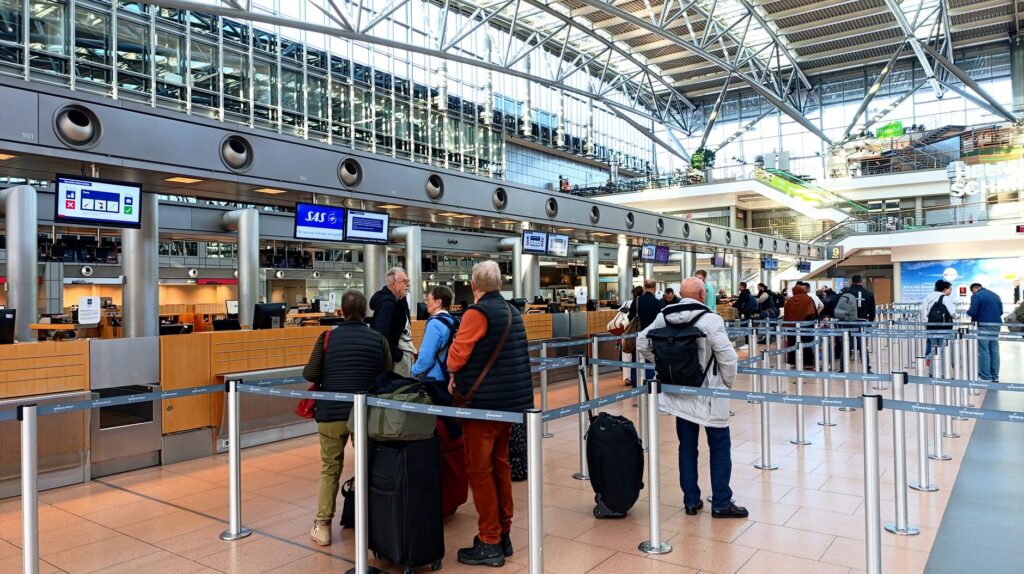

The recent wave of false bomb threats disrupting aviation networks across Europe has raised serious questions regarding the origin and motivation behind these malicious disruptions. Security agencies and civil aviation authorities continue to monitor the situation closely as airlines face repeated operational hurdles. Despite widespread speculation and heightened geopolitical tensions, official investigations have yet to uncover definitive proof connecting these incidents to foreign states.
Evaluating Potential State Actors
Security analysts have scrutinized various international actors for potential involvement in the coordinated disturbances. Prominent nations frequently mentioned in security discussions include Russia and Iran, alongside various affiliated proxy organizations operating within the region. However, intelligence officials emphasize that tangible evidence linking these governments or proxy groups to the specific threats remains entirely absent at this stage.
The Challenges of Attribution in Cyber and Telephony Threats
Tracing the source of anonymous threats sent to commercial airlines presents significant technical and logistical obstacles for law enforcement. Perpetrators frequently employ advanced digital obfuscation techniques, virtual private networks, and encrypted communication channels to mask their true locations and identities. Consequently, establishing a direct connection between the origin of the message and a specific sponsor requires exhaustive digital forensics and international intelligence sharing.
Impact on European Air Travel Operations
False alarms carry profound economic and operational consequences for the commercial aviation sector, even when security protocols prove the threats are unfounded. Emergency landings, flight cancellations, and extensive tarmac delays drain financial resources and cause severe inconvenience for thousands of passengers. Airport authorities and national security services maintain a high level of vigilance, balancing the imperative to ensure absolute safety with the need to minimize unnecessary disruptions to scheduled flights.
Ongoing Security Measures
In response to the persistent threat landscape, European transport ministries continue to refine emergency protocols and enhance communication channels between airlines and intelligence units. Collaborative efforts focus on improving threat assessment methodologies to swiftly distinguish between credible dangers and malicious hoaxes. As investigations proceed, authorities urge the public and media to rely solely on verified updates from official security agencies rather than speculative reports.