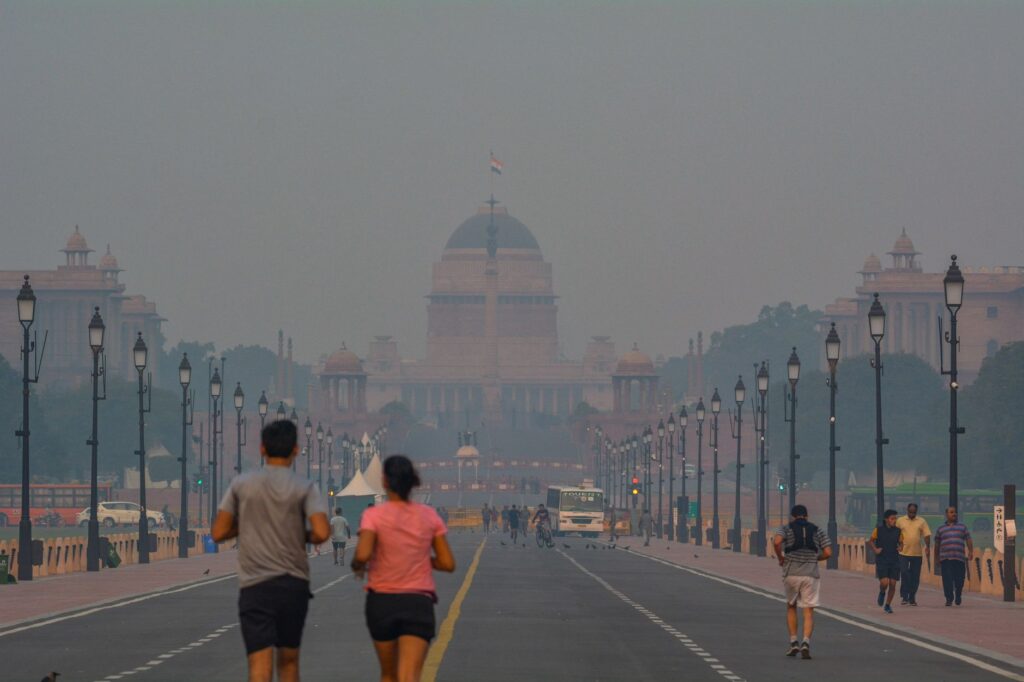

Understanding Delhi Air Pollution and School Preparedness
Delhi experiences severe air pollution spikes regularly, creating hazardous conditions for students and staff. Educational institutions must proactively manage indoor environments to protect vulnerable children from toxic smog and airborne particulate matter.
Optimizing Ventilation and Indoor Air Quality
Maintaining adequate indoor airflow remains vital during high pollution episodes. Schools need to inspect and service their ventilation systems frequently to ensure proper air exchange without drawing excessive outdoor pollutants inside.
Deploying Air Purifiers in Classrooms
Where budget and infrastructure allow, installing air purifiers inside classrooms significantly reduces indoor particulate concentration. Prioritizing closed spaces like libraries and younger student rooms helps minimize direct exposure to poor air.
Dust Control and Campus Maintenance
Dust suppression on campus plays a crucial role in preventing additional air degradation. Authorities must suspend any outdoor activities that kick up surface dust, such as sweeping unpaved grounds or dry sports practices.
Prioritizing Student Health and Safety
Administrative teams should monitor daily air quality indices closely. Implementing flexible scheduling and restricting physical education classes to indoor venues ensures student safety during peak smog periods.