
Delhi NCR Air Quality Update
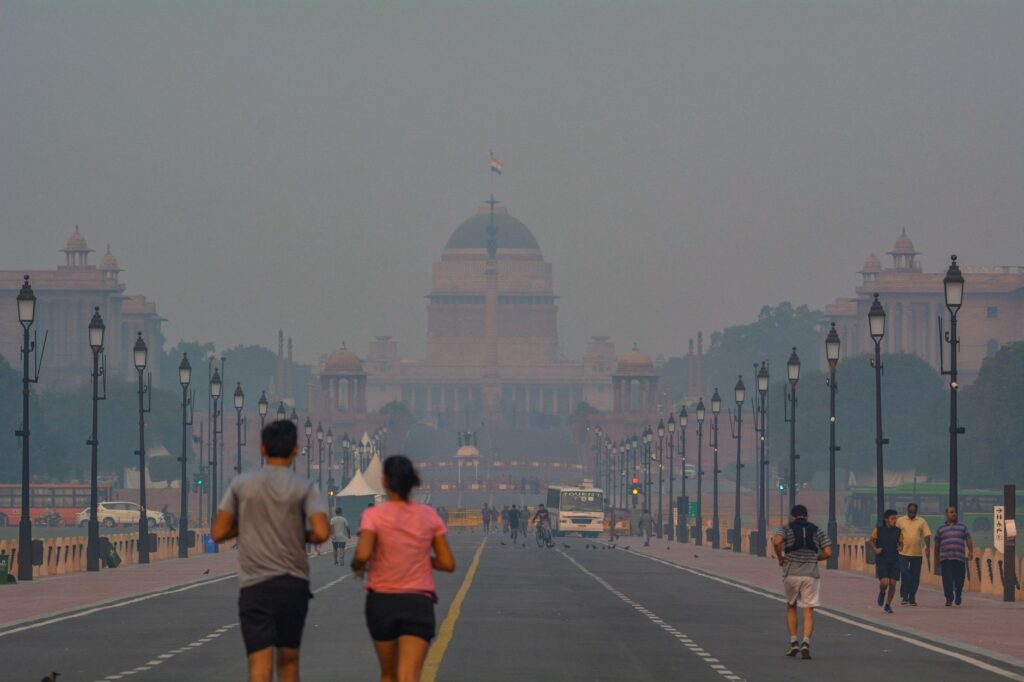
Recent data assessments highlight a critical phase for environmental conditions across the National Capital Region. Multiple monitoring locations have registered hazardous air quality metrics, prompting renewed concerns among residents and health experts alike.
Understanding the Current Pollution Levels
An evaluation of recent environmental metrics indicates widespread deterioration in atmospheric conditions. A significant number of monitoring units have documented conditions falling strictly into the severe category, while numerous others remain classified as very poor. This widespread escalation in particulate matter underscores the persistent environmental challenges faced by the region during this time of year.
Most Affected Neighborhoods in the Capital
Specific zones have emerged as the primary hotspots for hazardous air. Among the most impacted areas identified through recent assessments are Rohini, RK Puram, and Vivek Vihar. These locations consistently report some of the highest concentration levels of pollutants, making them critical areas for targeted interventions and public health advisories.
Implications for Public Health
Living amidst severe air quality poses profound risks to the general population, particularly vulnerable groups such as children, the elderly, and individuals with pre-existing respiratory or cardiovascular conditions. Medical professionals continually advise limiting outdoor physical activities when pollution spikes to these alarming levels, emphasizing the importance of protective measures such as using appropriate masks and indoor air purification systems.
Looking Ahead at Environmental Management
Addressing the recurring crisis requires sustained coordination among regional authorities, environmental agencies, and the public. Implementing stricter emission controls, managing construction dust, and curbing stubble burning remain essential components of any long-term strategy aimed at ensuring breathable air for millions of residents across Delhi NCR.