
Prince Harry and Meghan Markle returned to the United Kingdom this week to celebrate the tenth anniversary of the Invictus Games, sparking renewed national debate after receiving an invitation to dine with King Charles III at Highgrove House. The private dinner invitation, extended amid ongoing family tensions, has drawn sharp criticism from royal commentators who argue the Duke and Duchess of Sussex should not be welcomed back onto royal estates. This high-profile visit highlights the unresolved friction between the California-based couple and the British monarchy, underscored by protracted disputes over state-funded security.
Context of a Fractured Relationship
The relationship between the Sussexes and the royal household remains highly sensitive following the couple’s decision to step down as working royals in 2020. Since relocating to the United States, Harry and Meghan have publicly aired grievances regarding their treatment within the institution, most notably in a 2021 television interview with Oprah Winfrey and a subsequent Netflix documentary series. These public disclosures, which included allegations of unconscious bias and racism within the royal household, created a significant rift that has yet to fully heal.
Consequently, the couple lost their taxpayer-funded police protection in the UK, a decision Prince Harry has legally challenged in the British courts. This ongoing security dispute has dictated the logistics of their rare visits back to British soil, making every return a highly scrutinized logistical operation. The legal battle over their status has kept the couple’s security arrangements in the public eye, drawing further attention to their complicated relationship with the British state.
The Highgrove Invitation and Public Backlash
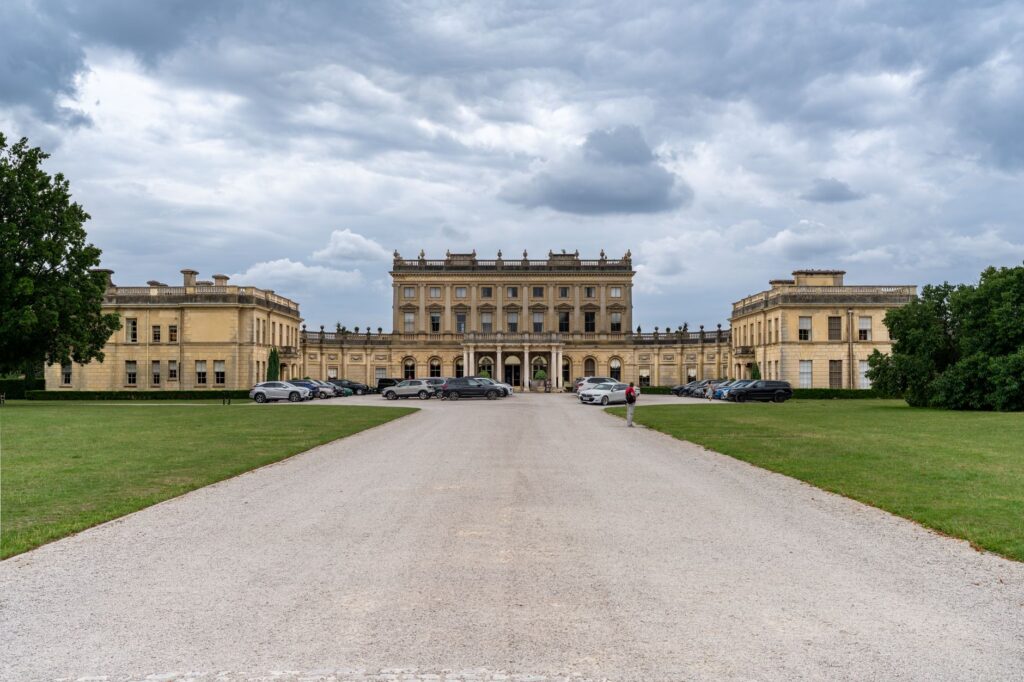
Despite the lingering animosity, King Charles III reportedly offered an olive branch by inviting the Duke and Duchess to a private dinner at Highgrove House, his family residence in Gloucestershire. While some view the gesture as a fatheru2019s attempt to reconcile with his son, royal experts have publicly criticized the move. Critics argue that granting the couple access to royal properties sends a contradictory message, effectively rewarding them despite their previous public criticisms of the monarchy.
“They have no right to be on royal property after the damage they have inflicted on the institution,” remarked one prominent royal commentator, reflecting a sentiment shared by conservative factions of the British public. This perspective holds that access to royal estates should be reserved strictly for those actively serving the Crown and upholding its public image. The debate has reignited discussions over the boundaries between private family matters and public royal duties.
Security Negotiations Precede the Visit
The logistics of the trip were subject to intense negotiations regarding the couple’s personal safety. Before departing from California, representatives for the Duke and Duchess engaged in detailed discussions with the Home Office concerning security arrangements. Prince Harry has previously expressed reluctance to bring his wife and children to the UK, citing safety fears due to the loss of his automatic right to police protection.
For this visit, private security measures were coordinated alongside local law enforcement to ensure the couple’s safety during public appearances. The Invictus Games foundation, which Harry founded in 2014 to support wounded veterans, also implemented stringent security protocols at the various anniversary events held across London. These complex arrangements demonstrate the ongoing administrative challenges associated with any travel the Sussexes undertake within the UK.
Broader Implications for the House of Windsor
The public and media reaction to the visit underscores the deep polarization surrounding the Sussexes’ place in modern Britain. For the monarchy, navigating the personal desires of a father wishing to see his son versus the institutional demands of preserving the dignity of the Crown remains a delicate balancing act. The invitation to Highgrove House suggests that King Charles III is willing to compartmentalize family dynamics from official state business, even if it invites public disapproval.
Industry analysts suggest that the ongoing media storm surrounding the couple continues to overshadow the charitable work of both the royal family and the Sussexes themselves. The focus on family drama frequently eclipses the achievements of the Invictus Games athletes, which Prince Harry has consistently championed as his primary focus. This media dynamic presents a continuous challenge for the royal family’s public relations strategy.
What to Watch Next
Looking forward, observers will closely monitor whether this brief visit paves the way for more permanent security arrangements for the Sussex family during future UK travel. The legal battle over Prince Harryu2019s security entitlement continues to wind its way through the appellate courts, with a final ruling expected to set a precedent for non-working royals. Additionally, the public response to this visit will likely influence whether the Duke and Duchess make more frequent trips to the UK or continue to distance themselves from British public life.