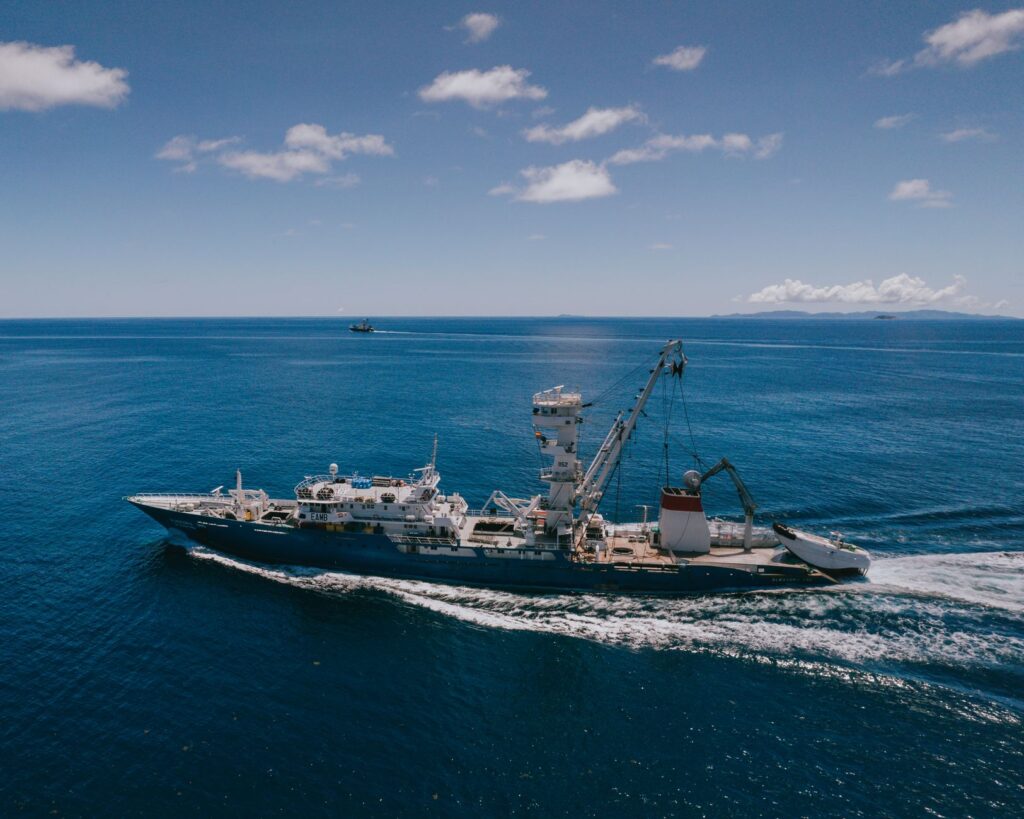

WASHINGTON — The Trump administration has escalated its maritime security operations in the Middle East this week, deploying advanced naval assets to the Strait of Hormuz to counter Iranian naval activity. This strategic pivot aims to secure the world’s most critical oil transit chokepoint amidst rising geopolitical tensions. The move signals a direct escalation in the ongoing economic and military standoff between the United States and Iran, raising critical questions about the rules of engagement for American forces operating in the region.
The Strategic Importance of the Strait of Hormuz
The Strait of Hormuz remains the world’s most crucial chokepoint for global energy supplies. According to the U.S. Energy Information Administration (EIA), approximately 21 million barrels of oil pass through this narrow waterway daily, representing roughly 21% of global petroleum liquid consumption. The passage, which measures just 21 miles wide at its narrowest point, connects the Persian Gulf oil producers with major global markets.
Tensions in the region have simmered since the United States withdrew from the Joint Comprehensive Plan of Action (JCPOA) in 2018 and re-imposed crippling economic sanctions on Tehran. In response, Iran has repeatedly threatened to disrupt shipping lanes and has seized several foreign-flagged commercial tankers. This ongoing “shadow war” has now entered a more overt phase, with both nations positioning heavy military hardware in close proximity.
A Shift in Maritime Defense Strategy
The Pentagon recently authorized the deployment of additional F-35 and F-16 fighter jets, along with a guided-missile destroyer, to the region. These assets complement the amphibious readiness group and Marine expeditionary unit already stationed in the Gulf. Defense officials state these deployments aim to deter Iranian forces from harassing and seizing commercial merchant vessels.
To counter these asymmetric threats, the U.S. Navy has also integrated unmanned surface vessels and artificial intelligence into its patrol fleets. Task Force 59, based in Bahrain, has been testing these drone boats to provide continuous surveillance of the shipping lanes. This integration of technology represents a modern shift in how the U.S. military monitors vast stretches of water with fewer manned ships.
However, military analysts point out that the exact rules of engagement remain highly classified and ambiguous. It remains unclear whether U.S. forces will actively board seized vessels or engage Iranian fast-attack craft pre-emptively. This strategic ambiguity is designed to keep Tehran guessing, but it also increases the risk of operational miscalculation on the water.
Iran has responded to the U.S. buildup by conducting its own unannounced naval maneuvers. The Islamic Revolutionary Guard Corps (IRGC) Navy recently showcased new vessels equipped with missiles having a range of 600 kilometers. This display of force underscores Iran’s resolve to challenge the U.S. presence in what it considers its sovereign backyard.
Evaluating the Risks of Direct Engagement
Defense experts warn that the high concentration of military assets in a confined space creates a volatile environment. “The margin for error in the Strait of Hormuz is razor-thin,” says Michael Eisenstadt, Director of the Military and Security Studies Program at the Washington Institute. “A single misinterpretation of intent by a ship captain could trigger an escalatory spiral that neither Washington nor Tehran wants.”
Iran’s military doctrine heavily relies on asymmetric warfare, utilizing sea mines, armed drones, and swarms of fast-attack craft. These low-cost, high-impact assets are designed to overwhelm traditional naval defense systems in confined waters. Military strategists suggest that a conventional confrontation might favor the U.S., but asymmetric skirmishes could inflict severe damage on commercial shipping before naval forces can intervene.
Commercial shipping companies are already feeling the impact of this heightened state of alert. Insurance premiums for vessels transiting the Persian Gulf have surged, forcing shipping conglomerates to recalculate the cost of doing business in the region. Some maritime operators are requesting direct military escorts, a request that places further strain on international naval resources.
The United States is not acting entirely alone, relying on the International Maritime Security Construct (IMSC) to maintain regional stability. However, several European allies have expressed reservations about joining a U.S.-led coalition that could be perceived as overly aggressive. These nations prefer diplomatic avenues and independent patrols to avoid being drawn into a wider conflict.
What to Watch Next in the Gulf
In the coming weeks, observers should closely monitor the operational behavior of both U.S. and Iranian naval forces during close encounters. Any attempt by the IRGC to board another commercial vessel will test the limits of the new U.S. deterrence posture. The reaction of the global oil markets will also serve as a real-time barometer of geopolitical anxiety, with any disruption likely to trigger immediate price volatility.
Furthermore, the diplomatic arena remains crucial as international mediators attempt to de-escalate tensions behind closed doors. Whether these military deployments force Iran to the negotiating table or provoke a more aggressive asymmetric response remains the pivotal question for global security. The evolution of this maritime standoff will ultimately define the limits of American power projection in the modern era.