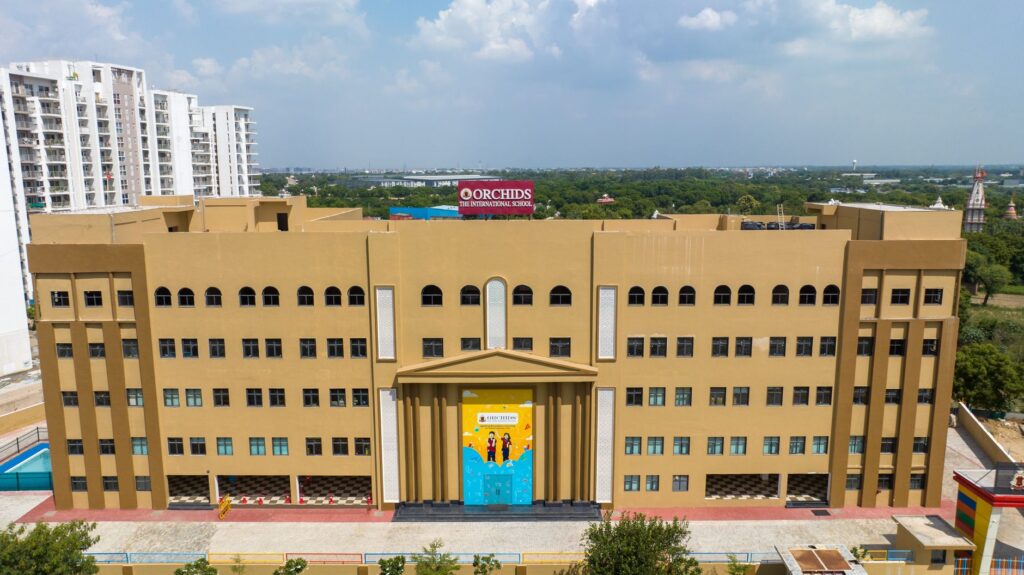

Educational institutions in the national capital have implemented significant operational changes for young learners. Schools up to Class 5 are transitioning to a hybrid education model following a sharp decline in regional atmospheric conditions. This strategic adjustment aims to safeguard the health of children while ensuring continuity in academic instruction during a period of heightened environmental concern.
Understanding the Air Quality Index Spike
The decision to alter traditional classroom attendance comes as the air quality index reaches alarming levels. Measurements recorded an index reading of 382, placing atmospheric conditions firmly within the very poor category and approaching severe thresholds. This deterioration occurs annually around this festive period due to a combination of local emissions, regional weather patterns, and seasonal agricultural practices.
Implementation of the Hybrid Model
Under the newly introduced hybrid framework, educational institutions are offering parents the flexibility to choose between physical classroom attendance and remote learning from home. This dual approach ensures that vulnerable children can stay indoors and avoid exposure to hazardous outdoor conditions without falling behind in their daily lessons. Schools remaining open for physical attendance are advised to suspend outdoor sports and physical education activities.
Prioritizing Student Health and Safety
Local authorities and health experts have consistently emphasized the risks associated with prolonged exposure to high pollution levels, particularly for young children whose respiratory systems are still developing. High concentrations of particulate matter can trigger asthma attacks, worsen existing respiratory conditions, and cause immediate irritation to the eyes, nose, and throat. By offering online learning alternatives, educational boards aim to minimize these health risks effectively.
Broader Environmental Measures in the Capital
The shift in school operations is part of a broader set of emergency responses activated across the region to combat toxic air. Authorities have implemented restrictions on construction activities, increased mechanized road sweeping, and enforced regulations regarding vehicular emissions. As the festive season progresses, monitoring agencies will continue to track environmental metrics closely to determine whether further restrictions or full closures are necessary for higher grade levels.