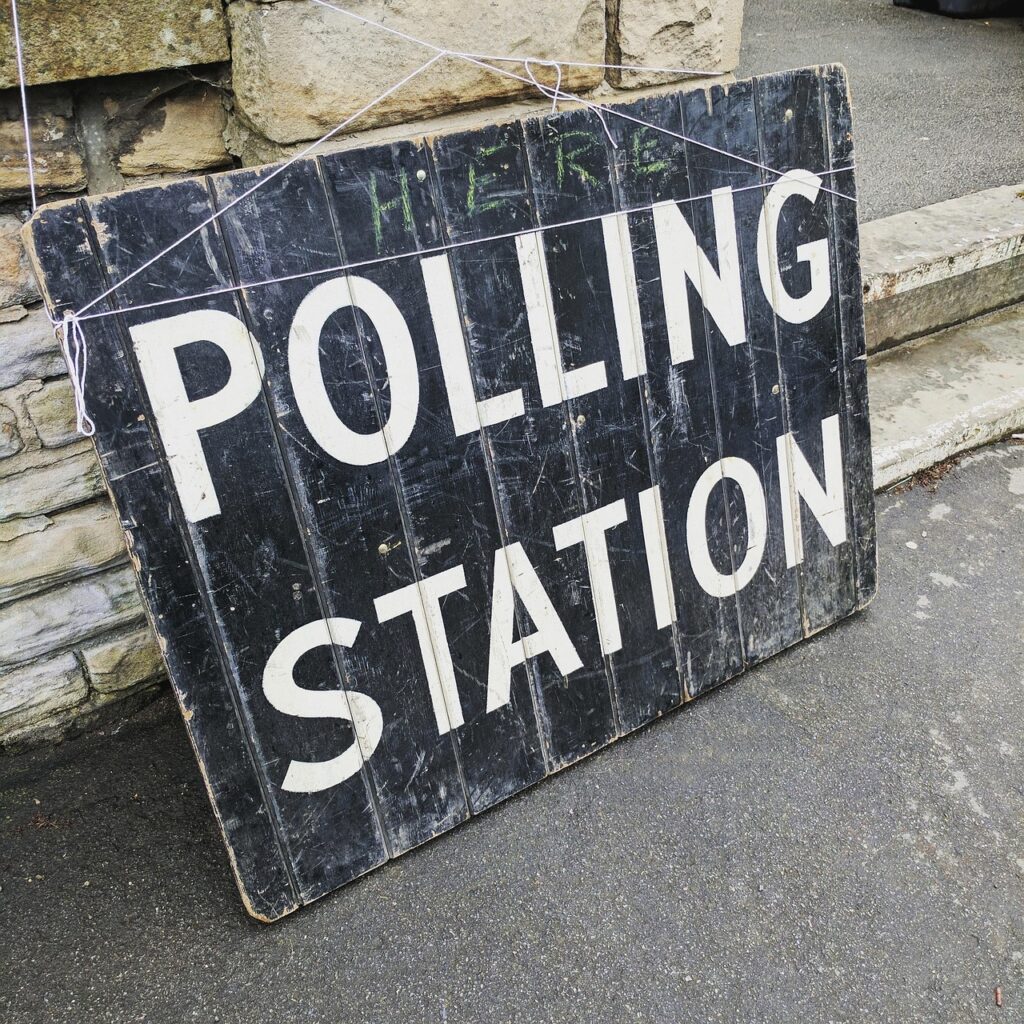

NEW DELHI — India’s Election Commission can operationalize the highly debated “One Nation, One Election” initiative within six months of receiving an official mandate, according to the chief of the parliamentary panel examining the proposal. The parliamentary standing committee is currently working to build a broad political consensus to recommend a robust legislative framework to Parliament, aiming to synchronize federal and state elections across the country.
The Push for Synchronized Polls
The concept of “One Nation, One Election” (ONOE) proposes holding simultaneous elections for the Lok Sabha (the lower house of India’s Parliament) and all state legislative assemblies. Historically, India conducted simultaneous elections in 1952, 1957, 1962, and 1967. However, this cycle broke down following the premature dissolution of several state assemblies and Parliament in the late 1960s and early 1970s.
Proponents of the unified election cycle argue that India remains in a perpetual election mode, which severely hampers governance. Under current laws, the imposition of the Model Code of Conduct during elections temporarily freezes welfare schemes and infrastructure projects, halting policy implementation for months at a time.
Logistical Feasibility and the Six-Month Window
The parliamentary panel chief emphasized that the Election Commission possesses the logistical capability to scale up operations rapidly. According to committee discussions, a six-month preparatory window would suffice for the procurement of additional Electronic Voting Machines (EVMs) and Voter Verified Paper Audit Trails (VVPATs).
However, executing this transition requires substantial capital investment. The Election Commission previously estimated that purchasing new voting machines and upgrading storage infrastructure would require billions of rupees, alongside a massive deployment of central security forces to manage polling booths nationwide simultaneously.
To address these hurdles, the parliamentary committee is drafting a comprehensive legal framework. The panel aims to present a bill that minimizes constitutional friction while ensuring that the federal structure of the country remains intact.
Constitutional Amendments and Political Friction
Legal experts point out that implementing simultaneous elections is not merely a logistical challenge but a profound constitutional hurdle. At least five constitutional amendments would be required, specifically targeting articles governing the tenure of Parliament and state assemblies, as well as the imposition of President’s Rule.
Amending these articles requires a two-thirds majority in both houses of Parliament, followed by ratification by at least half of the state legislatures. Securing this level of consensus in India’s highly polarized political landscape presents a formidable challenge for the ruling coalition.
Opposition parties have expressed strong reservations, arguing that simultaneous elections undermine federalism and disproportionately benefit national parties over regional players. Critics fear that national issues could overshadow local concerns, diluting the diverse democratic representation of individual states.
Building a Legislative Consensus
The parliamentary standing committee is actively engaging with various stakeholders, including recognized national and state political parties, constitutional experts, and election officials. The primary objective is to draft a law that can withstand judicial scrutiny and gain bipartisan support.
The panel’s strategy involves proposing a phased transition plan. Under this model, some state assemblies might have their terms extended or curtailed by a few months to align with the federal election timeline, a compromise that requires delicate political negotiations.
Economic and Administrative Implications
From an economic standpoint, advocates argue that ONOE would drastically cut down the soaring costs of holding separate elections. A study by the NITI Aayog, the government’s policy think tank, highlighted that frequent elections lead to massive direct expenditures by the government and indirect costs incurred by political parties.
Administratively, a single election cycle would free up teachers, police officers, and civil servants who are frequently mobilized for election duty. This would allow public administration to focus on long-term developmental goals without periodic disruptions.
What to Watch Next
The immediate focus remains on the parliamentary panel’s upcoming report, which will outline the draft legislation and the proposed timeline for implementation. Observers will closely watch how the committee addresses the concerns of regional political parties during the consensus-building phase.
Whether the government can secure the necessary constitutional amendments before the next major electoral cycle remains the pivotal question. The response of the Supreme Court of India, which may eventually be called upon to review the constitutional validity of any such law, will also determine the ultimate fate of this sweeping electoral reform.