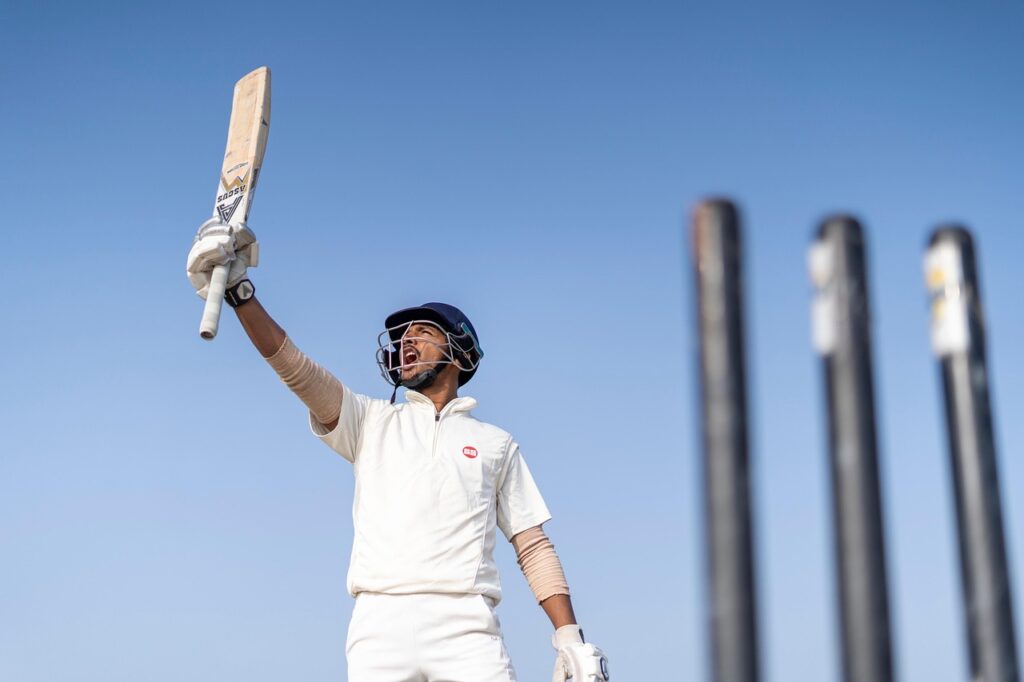

During the first One-Day International (ODI) at Edgbaston, Indian batsman Shubman Gill anchored a masterful run chase against England with an unbeaten 80, positioning himself as the natural successor to Virat Kohli’s legacy as India’s premier chase specialist. Facing a hostile seam-friendly attack and battling physical discomfort, Gill’s calculated knock guided India to a crucial victory, though a late-innings bout of severe cramps has left his participation in the upcoming second ODI in Cardiff in doubt.
The Succession of India’s Chase Master
For over a decade, Virat Kohli has defined the art of the ODI run chase, combining physical endurance with tactical genius to guide India through high-pressure scenarios. As Kohli enters the twilight of his illustrious career, the Indian team management has actively sought a top-order batsman capable of replicating that unique blend of restraint and acceleration. Gill’s performance at Edgbaston suggests that the transition is already underway, proving that the 24-year-old possesses the temperament required for modern ODI cricket’s most demanding role.
The pressure on young Indian batsmen to perform in English conditions is historically immense, given the movement off the pitch and overhead conditions that favor swing bowling. Gill’s previous tours of England had yielded mixed results, making this particular innings a critical milestone in his international development. By mastering these conditions, he has answered lingering questions about his adaptability outside the subcontinent.
Tactical Mastery on a Challenging Edgbaston Surface
The Edgbaston pitch offered significant lateral movement and bounce, presenting a formidable challenge to India’s top order under overcast skies. England’s pacers extracted sharp movement early on, dismissing India’s opening partners cheaply and leaving the visitors reeling at 35 for 2. This early setback forced Gill to abandon his usual aggressive strokeplay in favor of defensive solidity and risk-free accumulation.
Alongside middle-order partners, he systematically rebuilt the innings, absorbing intense pressure during a disciplined spell from England’s opening bowlers. Rather than relying on high-risk aerial shots, Gill accumulated runs through precise placement, soft hands, and hard running between the wickets. He targeted specific gaps in the field and rotated the strike consistently, preventing the English spinners from building pressure during the middle overs.
As the ball softened and the bowlers tired, Gill shifted gears seamlessly, accelerating his scoring rate to ensure India stayed ahead of the required run rate. Even when severe leg cramps threatened to derail his innings in the latter stages of the chase, Gill refused to throw his wicket away. He adjusted his stance, relied on boundary-hitting, and exhibited a level of physical and mental resilience reminiscent of Kohli’s most famous innings. His unbeaten 80 ultimately secured a comfortable victory, silencing a vocal home crowd and establishing a 1-0 lead in the series.
Analyzing the Numbers and Expert Verdicts
Cricket analysts have quickly highlighted the statistical significance of Gill’s rising dominance in run chases. According to current ICC rankings and ODI statistics, Gill boasts an average of over 60 when batting second, a metric that places him in elite company alongside historical greats at this stage of their careers. His ability to maintain a strike rate above 90 while keeping his dismissal rate low during chases underscores his tactical maturity.
Former players and commentators have lauded the young opener’s composure under duress. Speaking to broadcasters after the match, former England captain Nasser Hussain noted that Gill’s innings demonstrated a deep understanding of tempo. “What we saw at Edgbaston wasn’t just raw talent; it was cricketing intelligence,” Hussain remarked. “He knew exactly when to defend, when to rotate, and when to attack, which is the hallmark of a world-class finisher.”
Statisticians also point out that Gill’s control percentage during the innings was over 85%, an exceptionally high number given the seaming conditions. This efficiency under pressure is what draws the most direct comparisons to Kohli, who built his reputation on minimizing errors during tense run chases.
Implications for India and the Road to Cardiff
While the victory provides India with momentum, Gill’s physical condition remains a primary concern for the team management ahead of the second ODI in Cardiff. Medical staff are monitoring his recovery closely, with team sources indicating that a decision on his fitness will be made closer to the toss. If Gill is rested, it will force a tactical reshuffle in India’s top order, potentially opening the door for bench players to stake their claim in Wales.
Beyond the immediate series, Gill’s performance solidifies India’s long-term batting strategy as they build toward future ICC tournaments. His demonstrated ability to anchor a chase relieves pressure on the middle order and allows aggressive stroke-makers to play with greater freedom. As cricket fans watch his development, the focus shifts to whether Gill can maintain this level of consistency across different conditions worldwide and if he can officially claim the mantle of India’s next great finisher.