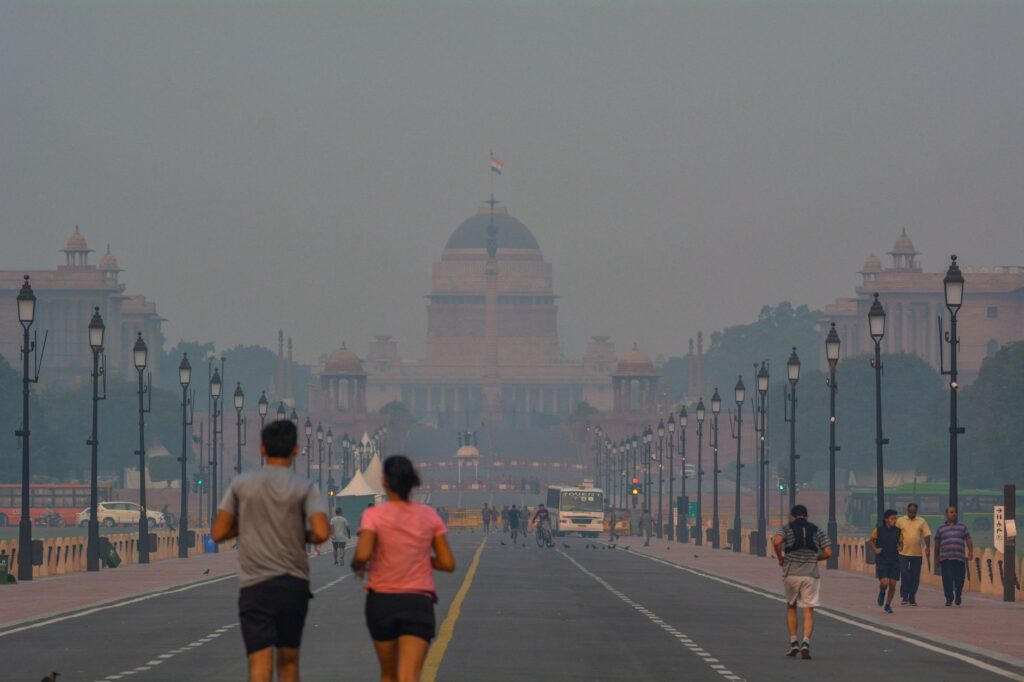

Understanding the Air Quality Crisis
Delhi recently experienced its third worst Diwali pollution episode since the year 2021. The annual festival of lights brings widespread celebrations, but it also triggers a massive surge in airborne pollutants across the national capital. Residents often face severe smog and hazardous breathing conditions as firecrackers combine with local weather patterns and agricultural stubble burning from surrounding regions. However, analyzing the true extent of the environmental impact has proven difficult due to unexpected technical complications during the peak hours of celebration.
The Problem of Missing Data
A critical challenge emerged when more than half of the operational air quality monitoring stations across the national capital suddenly stopped reporting data around midnight. This widespread communication blackout or operational failure occurred precisely when pollution levels typically reach their absolute peak following hours of continuous firecracker ignition. Environmental analysts and public health experts rely heavily on continuous real-time data streams to assess public exposure and formulate emergency response measures. The abrupt loss of information from a majority of the monitoring network leaves a significant blind spot in understanding the severity of the nocturnal pollution spike.
Evaluating Historical Trends
Despite the missing midnight readings, the available metrics still place this year among the most severe Diwali periods in recent history. Comparing the data collected from 2021 onward shows a persistent struggle with hazardous air quality during the autumn festivities. Authorities have repeatedly implemented various bans and public awareness campaigns to curb the release of harmful particulates, yet enforcement challenges remain prevalent. The latest figures reinforce the ongoing reality that festival-related emissions continue to overwhelm the city atmospheric carrying capacity year after year.
Implications for Public Health and Policy
The recurrence of severe pollution episodes highlights the urgent need for robust infrastructure and reliable technological frameworks. When monitoring networks fail during critical events, accountability and effective governance become much harder to maintain. Public health officials stress that prolonged exposure to the thick haze poses severe risks, particularly for vulnerable demographics such as children, the elderly, and individuals with preexisting respiratory conditions. Moving forward, policymakers must address both the root causes of urban air degradation and the operational resilience of the monitoring systems designed to keep citizens informed.