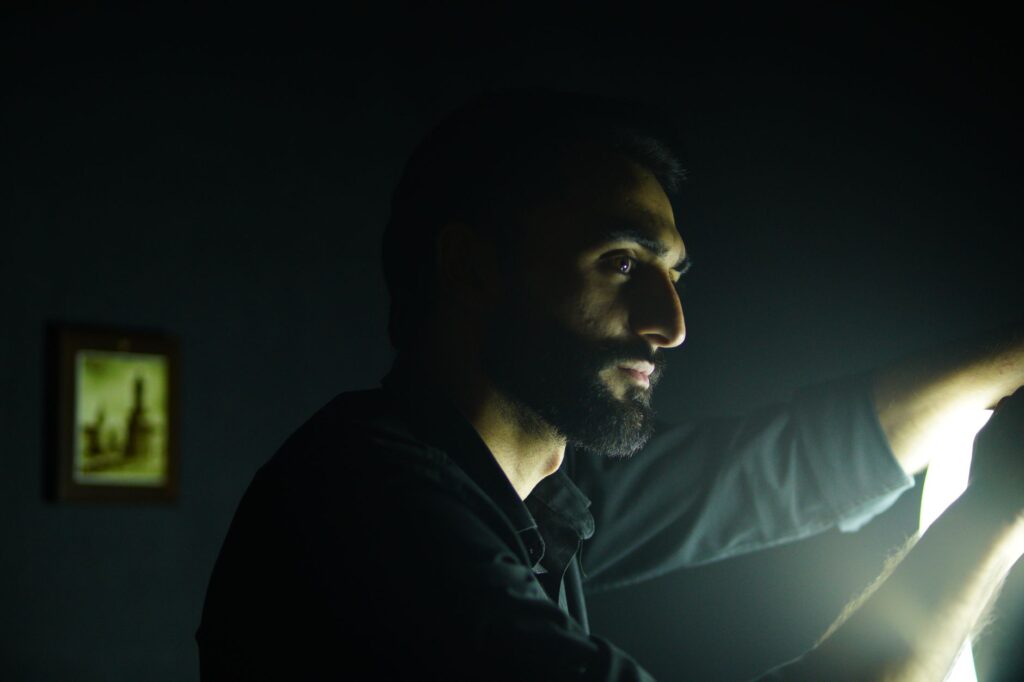

Veteran Indian actor and former Member of Parliament Paresh Rawal publicly expressed deep regret this week over past confrontational behavior, including a physical altercation with an audience member during a live stage show and a history of hostile interactions on social media. Speaking candidly in a recent interview, the 69-year-old actor admitted his actions were “idiotic” and detailed how the toxic environment of platforms like X (formerly Twitter) severely damaged his physical health, prompting his decision to withdraw from active online discourse.
The Cost of Public Confrontation
Rawal, a highly respected figure in Indian cinema known for his versatile roles in films like Hera Pheri and Sir, has long been recognized for his outspoken nature. However, this bluntness occasionally crossed into volatile territory, both on stage and online. The actor’s recent admission sheds light on the intense pressures faced by public figures navigating the intersection of live performance, political engagement, and digital platforms.
The self-reflection comes at a time when public scrutiny of celebrity behavior is at an all-time high, driven by the permanent archive of the internet. Rawal’s willingness to address his past missteps marks a rare moment of accountability in an industry where public figures often rely on public relations teams to manage controversies silently.
A Moment of Lost Control on Stage
During the disclosure, Rawal addressed a highly controversial incident where he lost his temper and struck an audience member during a live theatrical performance. He characterized his reaction as a grave mistake, acknowledging that physical retaliation against a spectator, regardless of provocation, is inexcusable for a professional artist.
The incident highlighted the fragile boundary between performers and audiences in live theater spaces. Rawal noted that the pressure of performing live, combined with personal stressors, contributed to the sudden lapse in judgment that he now deeply regrets.
The Digital Toll: Social Media and Physical Health
Beyond the physical stage, Rawal identified social media as a primary source of negativity that actively deteriorated his well-being. He confessed that engaging in heated political and social debates on Twitter directly correlated with spikes in his blood pressure and overall stress levels. Recognizing his own contribution to the platform’s toxic ecosystem, Rawal stated that he chose to step back to preserve his health.
Medical studies frequently support this correlation. Research published in the Journal of Medical Internet Research indicates that prolonged exposure to online hostility and active participation in digital arguments significantly elevates cortisol levels and cardiovascular strain. For Rawal, the physical warning signs were too significant to ignore, leading to his current avoidance of the platform.
The Growing Celebrity Digital Detox Trend
Rawal is not alone in his retreat from digital spaces. Industry analysts note a growing trend of veteran public figures opting for “digital detoxes” or handing their accounts over to professional management teams to avoid the psychological toll of direct interaction. The immediate feedback loop of social media creates a high-stress environment that many veteran artists, accustomed to traditional media boundaries, find uniquely toxic.
Mental health professionals suggest that the lack of nuance on social media platforms exacerbates conflict. The platform design rewards outrage, making it difficult for public figures to engage in constructive dialogue, often dragging them into public disputes that damage their reputations and mental health.
Redefining Celebrity-Fan Boundaries
This admission highlights a critical shift in how public figures manage their public personas. As the barrier between celebrities and the public has dissolved through social media, the potential for volatile interactions has increased exponentially. For the entertainment industry, Rawalu2019s public accountability serves as a cautionary tale about the personal costs of unmonitored digital engagement.
It emphasizes the necessity for talent agencies and production houses to provide mental health support and digital boundary training for artists. As the line between private life and public performance continues to blur, establishing strict personal boundaries has become a survival mechanism for industry veterans.
What to Watch Next
Moving forward, observers will watch whether Rawal’s candid admissions spark a broader conversation within the Indian entertainment industry regarding the mental health of veteran actors. As digital platforms continue to evolve, the industry may see more public figures establishing strict boundaries or completely abandoning personal accounts to protect their well-being. The focus now shifts to how public figures balance authenticity with self-preservation in an increasingly polarized digital landscape.