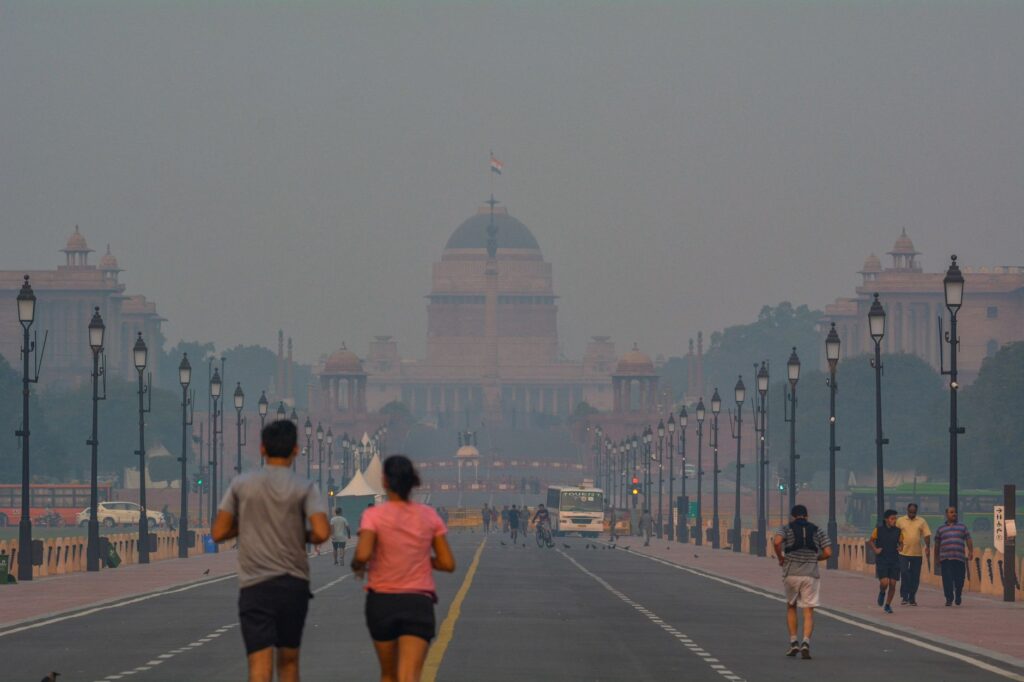

Understanding the Delhi Air Quality Crisis
Delhi faced another severe environmental challenge as the festival of lights arrived. Year after year, the capital region struggles with deteriorating atmospheric conditions during the autumn months. As celebrations commenced, the combination of local emissions and seasonal weather patterns triggered a rapid escalation in pollutant levels.
Monitoring Equipment Reaches Its Limit
Official records analyzed from pollution monitoring stations across the capital revealed an alarming trend on Diwali night. Fine-dust concentrations measured by PM2.5 sensors climbed steadily throughout the evening. Many stations recorded values approaching the extreme threshold of one thousand micrograms per cubic meter.
Sensors Go Blank at Critical Thresholds
An unexpected technical phenomenon occurred as pollution levels peaked. While particulate matter sensors stopped transmitting data just short of the critical benchmark, neighboring gas monitors continued to function normally. This abrupt halt in fine-dust reporting left a significant blind spot in public awareness during the most hazardous hours of the night.
Implications for Public Health and Monitoring
The failure of monitoring equipment at crucial moments highlights ongoing challenges in tracking extreme pollution events. Accurate data remains vital for public health advisories and emergency response measures. As authorities evaluate the performance of these monitoring networks, the incident underscores the urgent need for robust infrastructure capable of handling unprecedented environmental conditions.