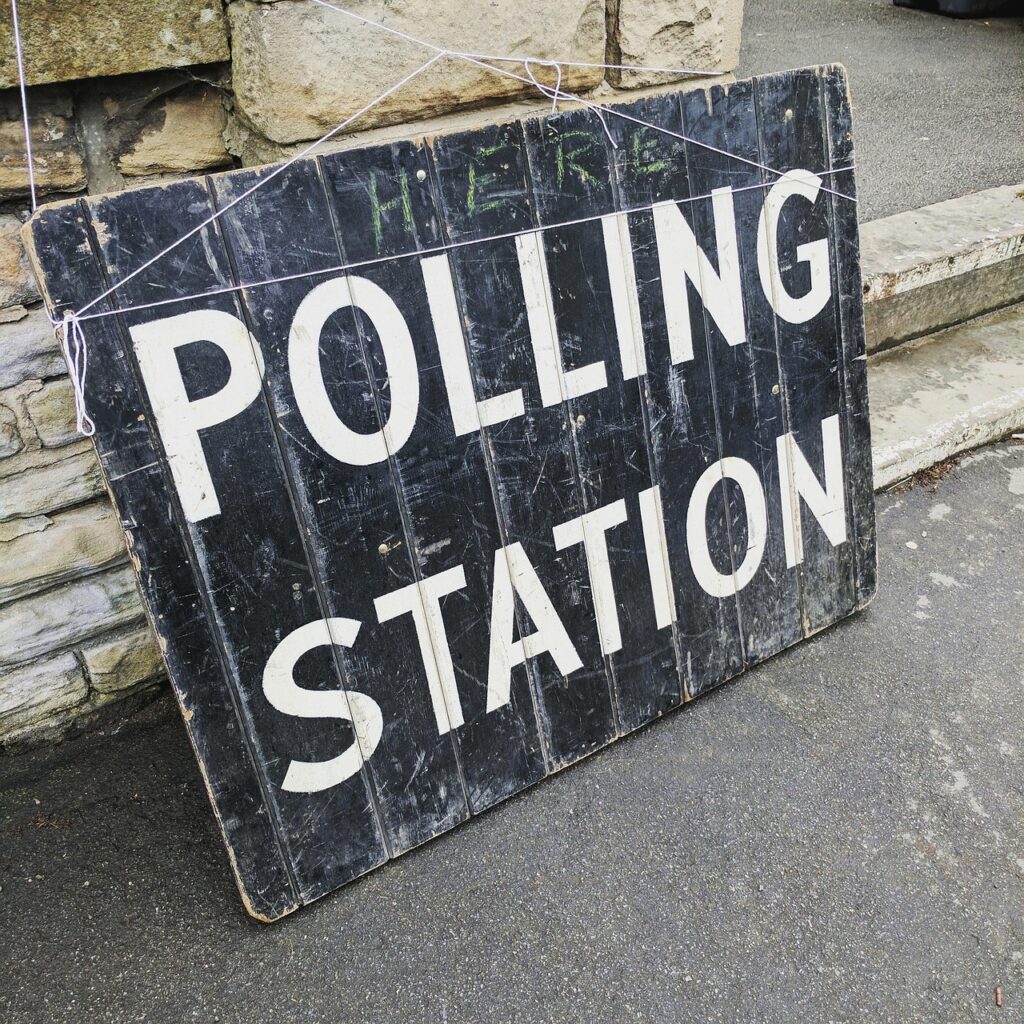

In a series of recent public addresses and campaign statements, former President Donald Trump has intensified his demands for sweeping changes to the American electoral system. By simultaneously relitigating his 2020 election loss and casting preemptive skepticism over the integrity of the upcoming 2026 midterm elections, Trump is positioning election administration as a central battleground for the Republican platform. This persistent focus has reignited national debates over voter confidence, democratic norms, and the security of the ballot box.
Contextualizing the Election Integrity Debate
The current push for voting reforms builds on years of legislative battles that intensified following the 2020 presidential election. Since then, state legislatures across the country have introduced hundreds of bills aimed at altering voting procedures. Proponents of these measures argue they are necessary to restore public trust, while critics contend they create unnecessary barriers for eligible voters.
According to data from the Brennan Center for Justice, at least 14 states enacted restrictive voting laws in 2023 alone, focusing on mail-in ballots, stricter voter identification requirements, and the power of local election officials. This legislative activity highlights how deeply election administration has become politicized, moving from a bureaucratic administrative task to a primary ideological battleground.
The Dual Strategy: Relitigating the Past and Preempting the Future
Political analysts note that Trump’s current rhetoric employs a dual strategy. On one hand, he continues to pressure state and federal officials to investigate past election results, maintaining a loyal base of supporters who share his skepticism. On the other hand, by raising doubts about the 2026 midterms years in advance, he establishes a narrative framework that could challenge future unfavorable outcomes.
This strategy represents a significant shift from historical American political norms, where defeated candidates traditionally accepted results to preserve institutional stability. By challenging the system proactively, the former president ensures that election administration remains a highly partisan issue rather than a neutral, bipartisan process.
The impact of this rhetoric extends beyond national speeches, directly influencing grassroots organizing and local party platforms. Across several swing states, local party leaders have adopted election integrity as their primary organizing principle, recruiting poll watchers and challenging registration lists in preparation for upcoming cycles.
Expert Perspectives on Democratic Stability
Election security experts and political scientists warn that persistent skepticism carries long-term consequences for democratic institutions. A 2024 poll by the Pew Research Center revealed a widening partisan gap in voter confidence, with Republicans significantly more skeptical about the accuracy of mail-in voting compared to Democrats.
“When leaders repeatedly tell their supporters that the system is rigged, it erodes the fundamental trust required for self-governance,” says Dr. Amanda Miller, an election law specialist. Miller notes that this erosion of trust makes it increasingly difficult for local election workers to perform their duties safely, citing a rise in threats against poll workers nationwide.
Conversely, conservative advocates argue that questioning system vulnerabilities is a healthy part of ensuring robust security. They contend that measures such as banning drop boxes and requiring signature verification are common-sense steps that protect the value of every legal vote. This fundamental disagreement on what constitutes “security” versus “access” continues to divide the electorate.
Implications for the Road to 2026
As the country moves closer to the 2026 midterm cycle, the debate over voting rules is set to intensify in both statehouses and federal courts. Observers will be watching how local election boards handle new certification challenges and whether preemptive distrust leads to lower voter turnout or increased legal disputes.
The ongoing focus on voting procedures will likely force candidates from both major parties to take definitive stances on election administration. Whether these debates lead to more secure, accessible elections or further polarization remains the critical question shaping the future of American democracy.