
Political Dynamics In Washington
Washington found itself at the center of a significant legislative maneuver as members of the House of Representatives took decisive action regarding the leadership of the Department of Defense. Lawmakers faced a procedural challenge concerning national defense policies and the constitutional oversight of executive branch officials.
The legislative path ahead for key cabinet members often involves intense debate and partisan division. In this instance, congressional procedures served as the primary battleground for lawmakers seeking to address military decisions made by the current administration.
The Impeachment Resolution
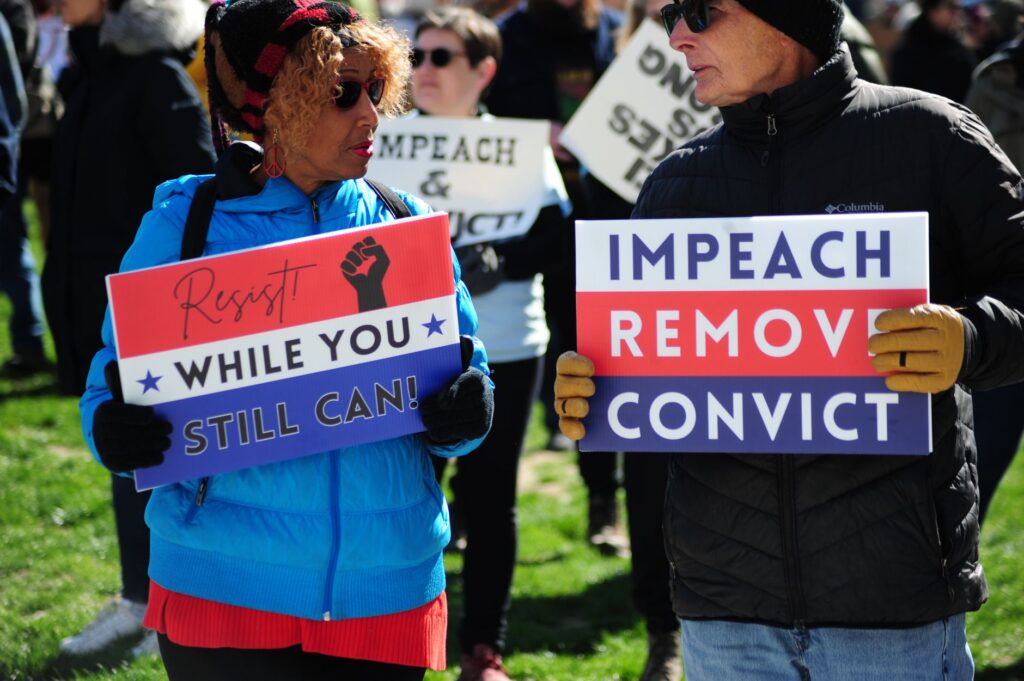
The legislative friction centered on a formal proposal introduced to remove Defense Secretary Pete Hegseth from his post. The motion targeted specific military actions authorized under his leadership, raising questions about accountability and the division of war powers between the legislative and executive branches.
Proponents of the resolution argued that congressional oversight required immediate and drastic measures to address these specific military engagements. The attempt to initiate removal proceedings highlighted ongoing tensions regarding the execution of defense policy and the extent of executive authority in foreign theaters.
Republican Strategy And The Judiciary Committee
Rather than allowing the removal resolution to proceed immediately to a full chamber vote, the majority party leadership orchestrated a procedural maneuver to alter its trajectory. House Republicans successfully thwarted the immediate push for impeachment by voting to refer the measure directly to the Judiciary Committee.
This referral effectively slows the momentum of the impeachment effort, providing a temporary shield for the Defense Secretary. Committee referral is a common legislative mechanism used to manage controversial proposals, allowing for deliberate study, hearings, and debate away from the immediate political pressure of the House floor.
Broader Political Implications
The decision by House Republicans to redirect the resolution underscores the current political alignment and the protective stance of the majority party toward cabinet leadership. By routing the measure through the Judiciary Committee, lawmakers ensured that the issue would face rigorous procedural hurdles rather than a rapid, emotionally charged floor debate.
This legislative development also highlights the ongoing struggle for influence over national security policy between Capitol Hill and the Pentagon. As the Judiciary Committee begins its review of the referred measure, the broader political debate regarding military oversight and executive authority is expected to continue.